Places in their life
Explore recorded events and connections, place by place.
Places will load as you reach this section.
Explore places & events
Town and regional markers represent an area. Each record describes the connection to that place.
The life of Frederick Stanton Wicks
A Syracuse life in law and civic service
April 25, 1851 – April 26, 1931
In 1907, Frederick Stanton Wicks put a practical difficulty facing his clients before the readers of a New York real-estate journal. Owners of older mortgages were having to execute new documents, and incur the accompanying expense, to escape a municipal tax of two percent or more. He supported a proposed change that would let them bring their existing mortgages under the newer recording-tax system by paying one-half of one percent. His brief statement gives a concrete view of the work behind a long legal career: helping clients manage the costs attached to their property and investments.[1]
By then Wicks had practiced in Syracuse for three decades. His connections reached into banking, street railways and manufacturing, and he had helped establish the governing body of the city’s art museum. These responsibilities grew out of a life that had begun in a merchant’s household, passed through Yale and a western scientific expedition, and settled into the professional and institutional affairs of central New York.[2]
Family and education
Frederick was born on April 25, 1851, in Syracuse, the Onondaga County city in central New York that remained the center of his legal career. His father, Edward Bartlett Wicks, was a leather merchant in Ellis & Wicks and president of the Mechanics Bank. His mother, Mary Babcock, was a daughter of Asa Babcock and Elizabeth, or Betsey, Noyes, of Truxton, south of Syracuse in Cortland County. Both sides of the family had farming roots; Frederick’s paternal grandfather, John Wicks, had farmed in North Guilford, Connecticut, and later in Paris, in New York’s Oneida County. In his father’s generation, the family’s occupations had shifted toward trade and finance.[3]
Mary had lived through a catastrophe before Frederick was born. Her first husband, Charles James Lynde, was a Yale graduate and a young lawyer who had established a practice in Milwaukee, then in Wisconsin Territory. On August 9, 1841, the couple took passage at Buffalo aboard the steamer Erie, bound for Chicago after visiting relatives. The vessel caught fire a short distance from port. Charles died; Mary survived. A child born after his death died in infancy. Her later marriage to Edward Wicks brought her into the Syracuse household in which Frederick grew up. The name Lynde, retained in accounts of her later life, belonged to this first marriage.[4]
He attended Isaac Bridgman’s private school in Syracuse before entering Yale College in New Haven, Connecticut. At Yale he played on the class baseball team that defeated Harvard’s freshmen and served as treasurer of the university baseball club. He helped organize the junior promenade and represented Delta Kappa Epsilon at a fraternity convention. His other society affiliations included Delta Kappa, Delta Beta Xi and Scroll and Key. He received his bachelor’s degree in 1873.[5]
That summer and autumn, Wicks joined Professor Othniel Charles Marsh’s expedition in the American West. Marsh’s collecting expeditions brought Yale students into the search for fossil animals and helped build the university’s paleontological collections. For Wicks, the undertaking occupied the interval between college and professional training.[6]
Making a legal career
In December 1873, Wicks began studying law in the Syracuse office of A. Judd Northrup. In October 1874 he entered Columbia Law School in New York City, receiving his LL.B., a professional law degree, in 1876. He then returned to practice in Syracuse. On January 1, 1877, his relationship with Northrup became a partnership under the name Northrup & Wicks. It lasted until 1882, when Northrup’s election to the bench brought the partnership to an end.[7]
Banking responsibilities accompanied the beginnings of his career. From 1873 through 1880 he was a director of the Mechanics Bank, the institution his father had served as president. He also developed interests in Syracuse street railways and held connections with manufacturing businesses. Among the specific offices attached to his name was treasurer of the Syracuse Arms Company, a local manufacturer of double-barreled shotguns. The company had been organized by the gun designer Frank Hollenbeck.[8]
The Syracuse Savings Bank building became an important address in Wicks’s professional life. By 1901 his office was in room 13 of the building. The institution that housed his office was separate from the Mechanics Bank whose board he had joined. His legal practice continued until retirement in 1929, spanning more than half a century from its beginning in 1876.[9] The Syracuse Herald obituary remembered him as the building’s first tenant, with fifty-two years of occupancy. It emphasized his work with estates and investments and identified him as attorney for Alexander H. Davis, whose property became Syracuse’s Thornden Park.[24]
His first recorded European trip was in 1868, before Yale; others followed in 1882, 1888 and 1890. Early in 1900 he and his family participated as guests in an extended tour of California and the Northwest.[10]
Lily and their children
On April 24, 1889, Wicks married Lily Moulton Doane at Trinity Church in Chicago, Illinois. He was one day short of thirty-eight. Lily was a daughter of John Wesley Doane and Julia Ann Moulton. The marriage joined a Syracuse professional household to a family with strong Chicago connections, while Yale also linked the families: two of Lily’s brothers had attended the university.[11]
Their first child, Stanton Doane Wicks, was born in Syracuse on April 21, 1890. He died on April 23, 1890, two days after his birth and the day before his parents’ first wedding anniversary. A second son, also named Stanton Doane, was born in Chicago on January 4, 1892. Bartlett followed there on April 16, 1895, and John Doane was born on July 8, 1896. Frederick and Lily thus had four sons, three of whom survived childhood.[12]
In later years Frederick and Lily also owned a summer home on Chenango Street in Cazenovia, a village southeast of Syracuse in Madison County. By the end of Frederick’s life their Syracuse home was on Brattle Road.[13]
Lily’s work extended well beyond the private household. She joined the board of the institution later called Syracuse Memorial Hospital in 1897 and eventually served fifteen years as its president. She also helped organize and patronize a Syracuse symphony orchestra and supported the development of the Syracuse Museum of Fine Arts. These commitments made her an institutional participant in her own right during a marriage that lasted forty-two years.[14]
Frederick belonged to St. Paul’s Episcopal Church in Syracuse. His obituary account also remembered interests in botany and wildflowers, reading and billiards.[15]
Helping establish an art museum
Frederick’s most clearly documented contribution to Syracuse’s cultural life was his place among the original trustees of the Syracuse Museum of Fine Arts. The New York State Regents granted the museum a provisional charter on December 17, 1896. Its named trustees included Wicks, the art educator George Fiske Comfort, former chief judge Charles Andrews, bankers, clergy and other local officeholders. On December 30, 1896, the trustees organized in the trustees’ room of the Syracuse Savings Bank, with Episcopal bishop Frederic D. Huntington presiding, and adopted bylaws for the institution. When the museum met the conditions of its provisional charter and received an absolute charter on July 1, 1900, Wicks was again among those named.[16]
Comfort supplied the museum’s educational leadership; Wicks shared responsibility for its early governance with the other trustees. The institution later moved into Syracuse’s Carnegie public-library building. In 1915 it expanded into the entire third floor, and photographs taken the following year show paintings displayed beneath broad skylights. These rooms belonged to the museum that developed from the organization he had helped establish.[16–17,23]
Lily’s involvement continued the family’s connection with the collection. In 1931 she gave the museum Robert Strong Woodward’s Across the Pond, a pastel landscape. The work entered the permanent collection and remained associated with her name in the museum’s later labeling.[18]
Final years and remembrance
Wicks retired from legal practice in 1929. He died at his home on Brattle Road in Syracuse on April 26, 1931, the day after his eightieth birthday, following an illness reported as rectal cancer.[19]
His funeral was held at St. Paul’s Episcopal Church on April 28, 1931, at 3:30 p.m. He was buried in Oakwood Cemetery, Syracuse. Lily and their three surviving sons outlived him.[20]
Lily lived another six years. She died in Syracuse Memorial Hospital on May 4, 1937, after a short illness. Two sons survived her. Her connection with the hospital had spanned four decades, including her years leading its board. Her work in health care and the arts had continued after Frederick’s retirement and death.[21]
The museum Frederick helped establish became today’s Everson Museum of Art. His founding trusteeship places him at the beginning of that continuing institution. His legal work is less visible today, but the mortgage-tax statement preserves one practical concern of his working life. Together, those records show a lawyer involved both in his clients’ affairs and in creating a public institution that would survive him.[22]
Images & documents
Select an image to browse the gallery. Source links open the original records in a new tab.
User-approved person association. Original bytes and source capture retained; portrait authenticity is not inferred.
View source ↗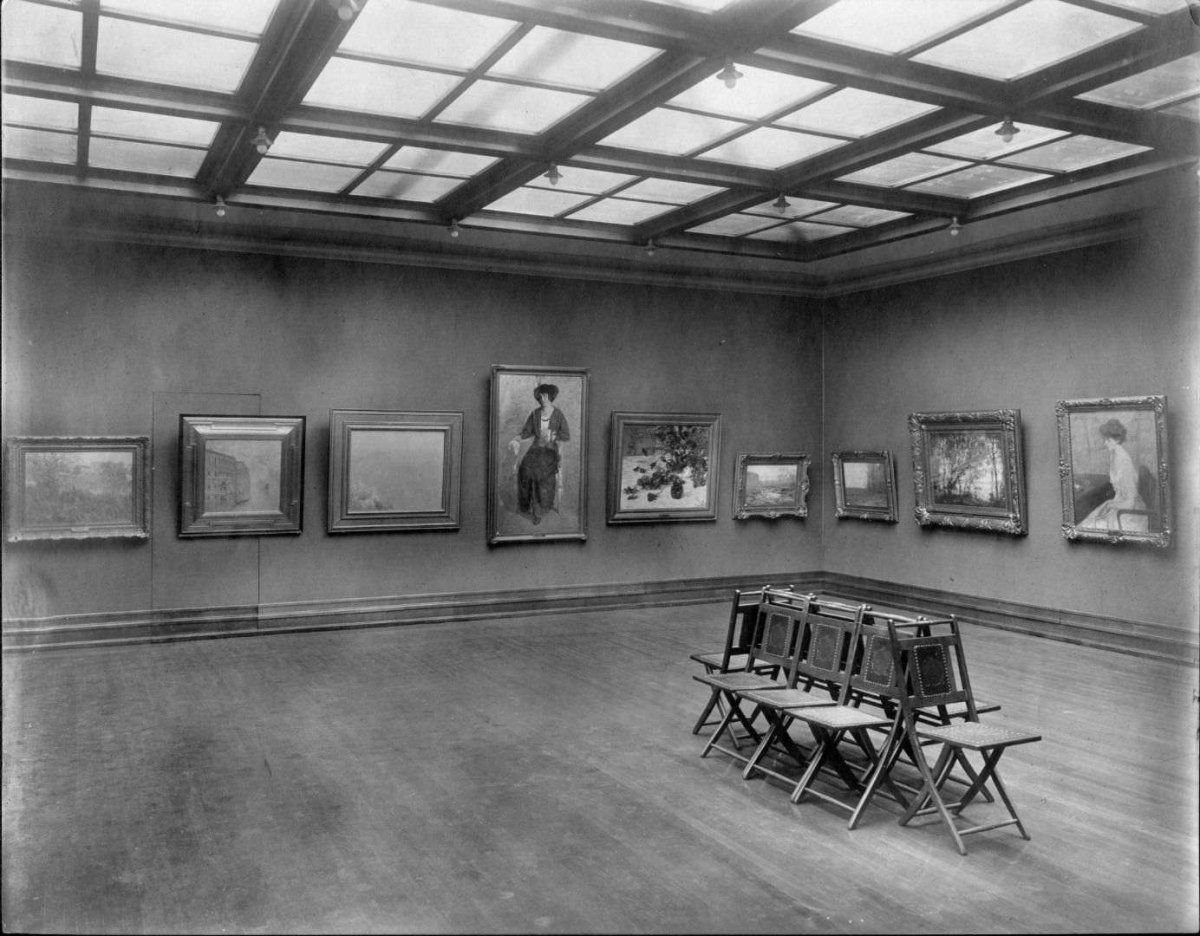
Retained historical artwork, photograph or source-page facsimile; source attribution in notes. No generated reconstruction.
View source ↗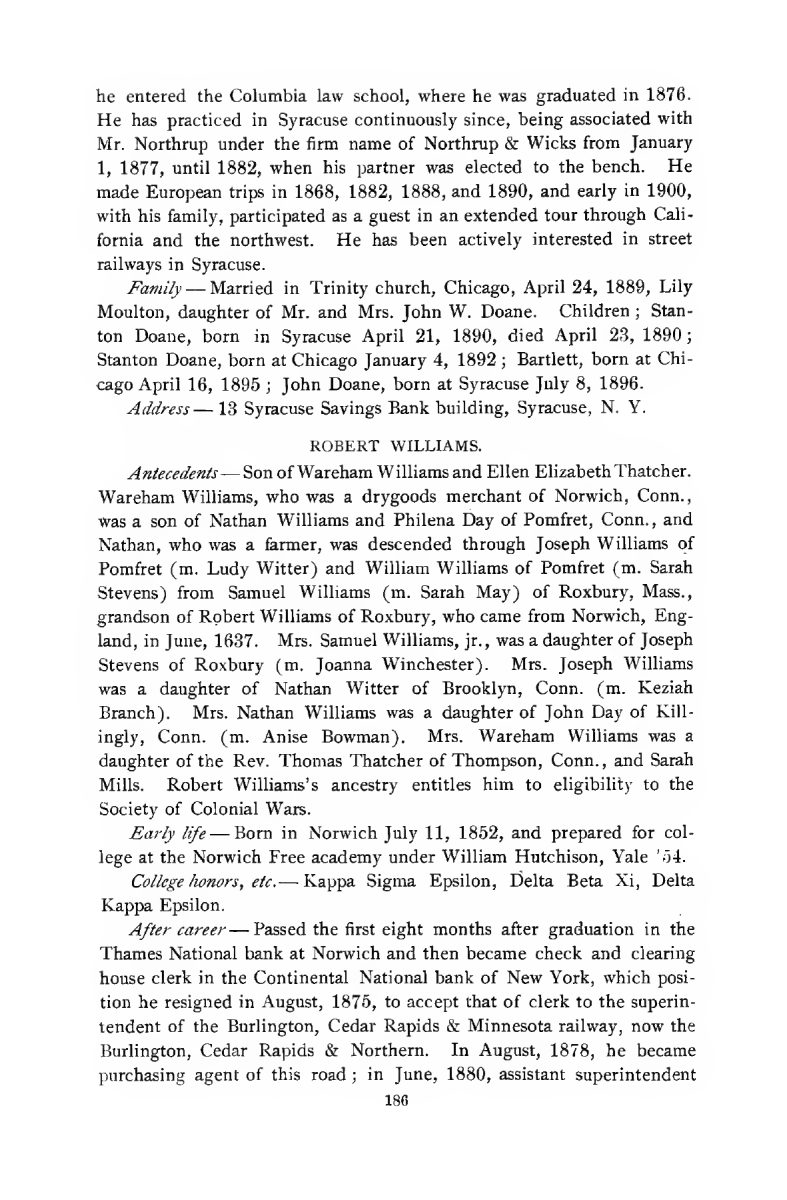
Retained historical artwork, photograph or source-page facsimile; source attribution in notes. No generated reconstruction.
View source ↗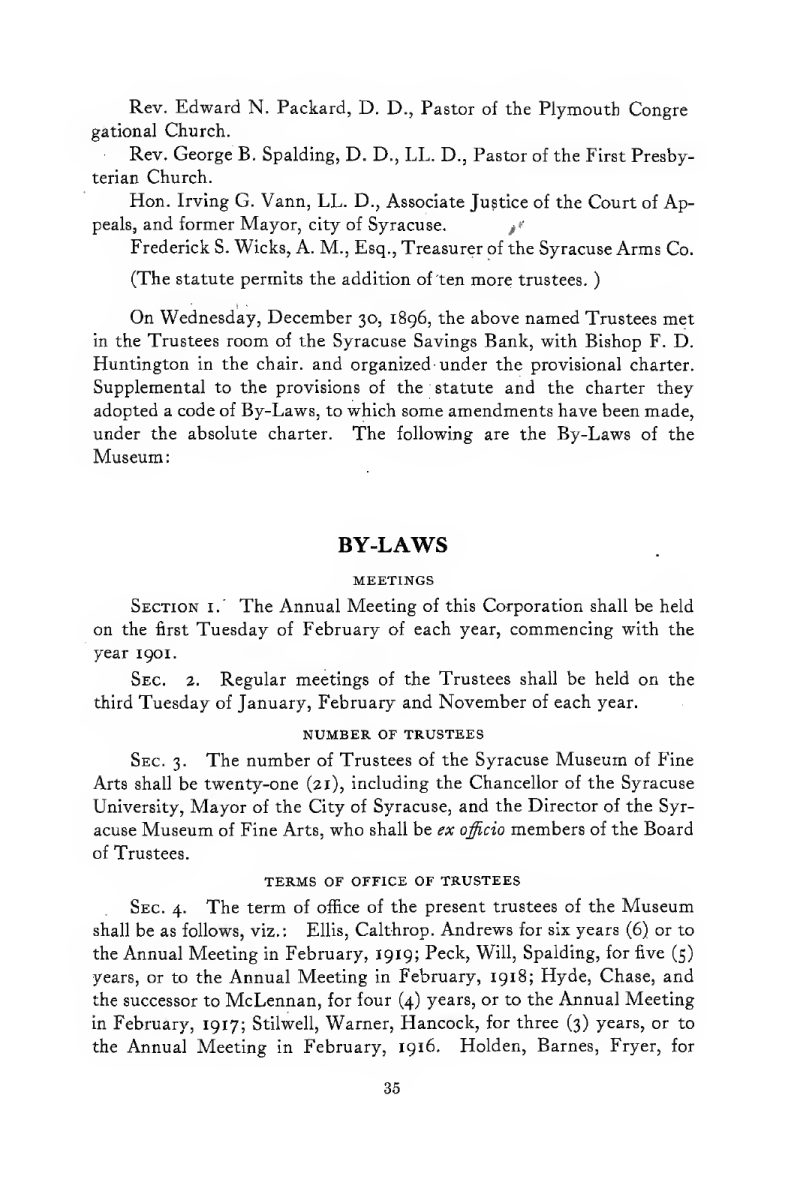
Retained historical artwork, photograph or source-page facsimile; source attribution in notes. No generated reconstruction.
View source ↗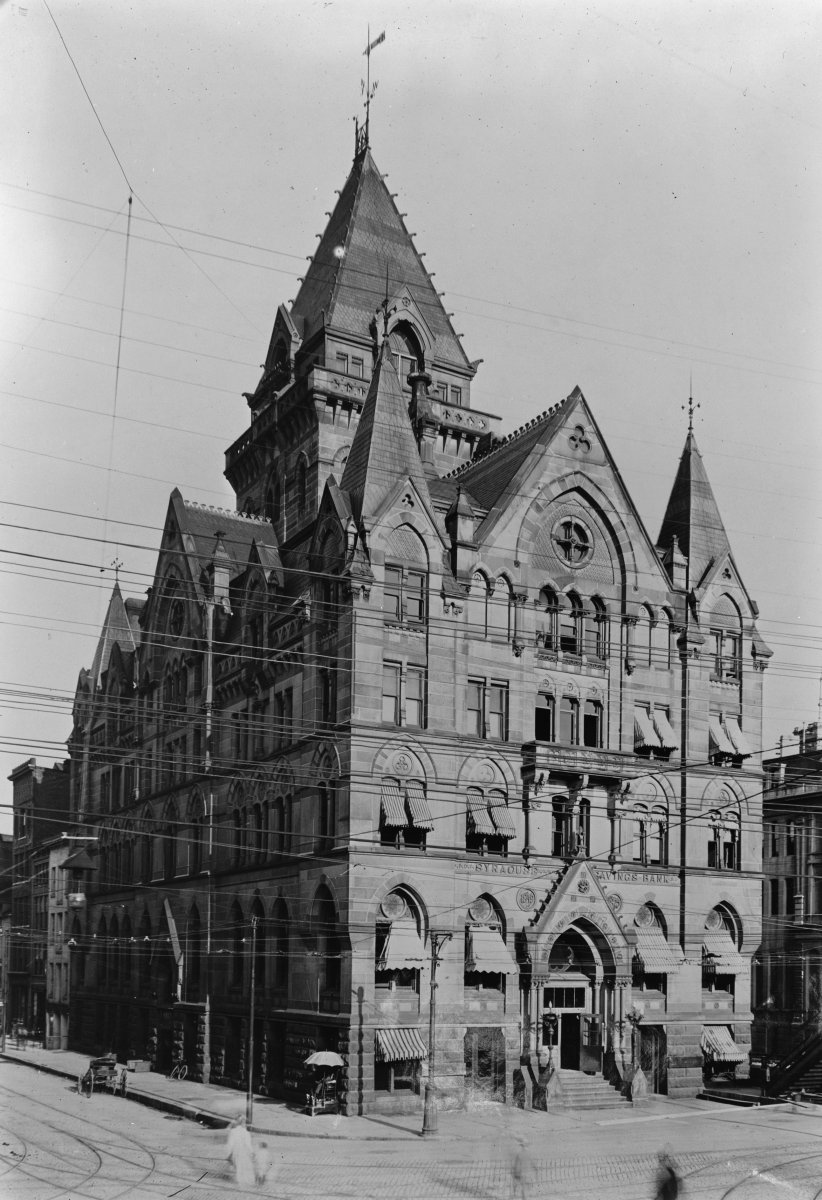
Retained historical artwork, photograph or source-page facsimile; source attribution in notes. No generated reconstruction.
View source ↗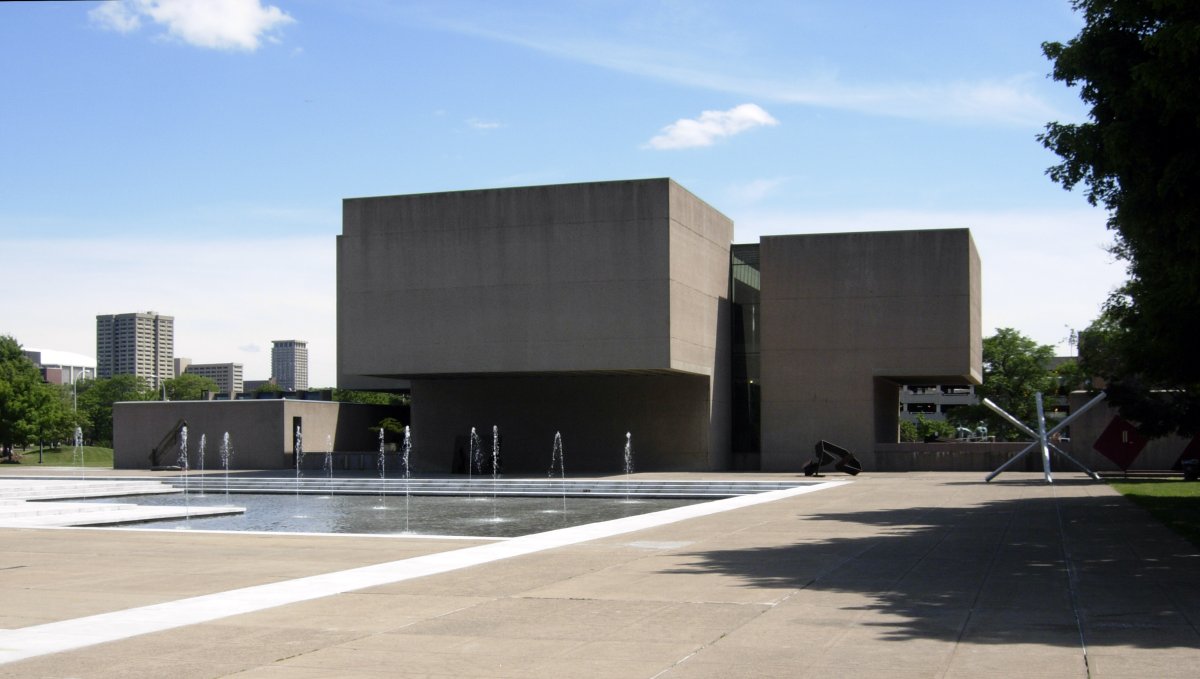
Retained historical artwork, photograph or source-page facsimile; source attribution in notes. No generated reconstruction.
View source ↗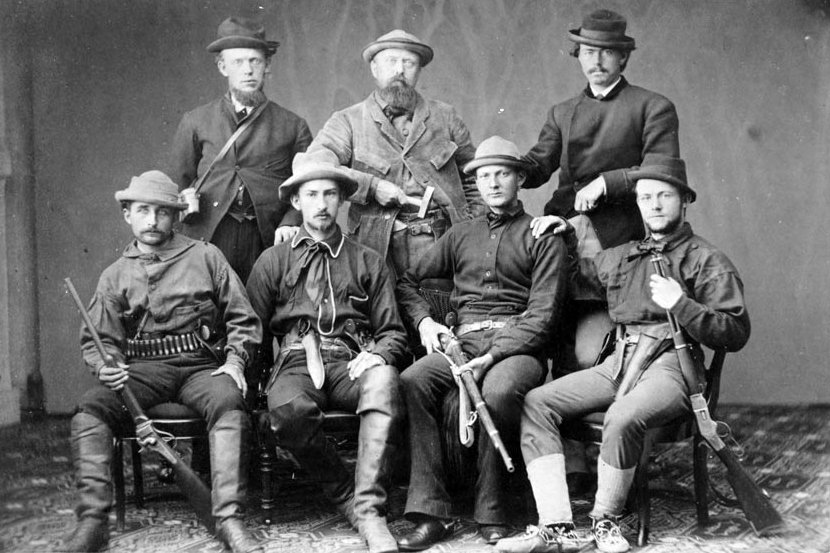
Retained historical artwork, photograph or source-page facsimile; source attribution in notes. No generated reconstruction.
View source ↗Family relationships
Parents
Children with Lily Moulton Doane Wicks
A life in dates
24 events
- Scientific Expedition
Joined Marsh’s western fossil expedition during the summer and autumn of 1873.
American West, United States
Show on map → - Graduation
Graduated from Yale College in New Haven, Connecticut, with a B.A.
Yale College, Connecticut, United States
Show on map → - Legal Training
Began studying law in A. Judd Northrup’s Syracuse office.
Syracuse, New York
Show on map → - Legal Education
Received the LL.B. from Columbia Law School in New York City.
New York City
Show on map → - Legal Practice
Partner in Northrup & Wicks from January 1, 1877 until Northrup’s election to the bench in 1882.
Syracuse, New York
Show on map → - Museum Trusteeship
Named among the original trustees in the provisional charter of the Syracuse Museum of Fine Arts.
Syracuse, New York
Show on map → - Tour
Traveled with the family as guests on an extended tour of California and the Northwest early in 1900.
California
Show on map → - Museum Trusteeship
Named among the trustees in the museum’s absolute charter.
Syracuse, New York
Show on map → - Office
His law office was recorded in room 13 of the Syracuse Savings Bank building in 1901.
Syracuse Savings Bank building, New York, United States
Show on map → - Burial
Buried in Oakwood Cemetery, Syracuse, New York; the exact burial date is unknown.
Oakwood Cemetery, Syracuse, New York, United States
Show on map → - Property
The family’s summer home on Chenango Street in Cazenovia was recorded in 1931.
Cazenovia, New York, United States
Show on map → - Funeral
Funeral at St. Paul’s Episcopal Church, Syracuse, at 3:30 p.m.
Syracuse, New York
Show on map → - Education
Attended Isaac Bridgman’s private school in Syracuse before Yale.
Syracuse, New York
Show on map →
More about this person
Work & roles
Director · Mechanics Bank, Syracuse
Partner · Northrup & Wicks
Founding trustee · Syracuse Museum of Fine Arts
Treasurer · Syracuse Arms Company
Notes & sources
- 1
Mortgage-tax statement: Record and Guide, February 9, 1907, pp. 307–308. Columbia University Libraries scan
Back to biography - 2
Career: History of the Yale Class of 1873 (1901), pp. 185–186; Yale Obituary Record, 1930–1931, pp. 37–38. Internet Archive, Cornell copy · scan
Back to biography - 3
Birth and family: Shepard, pp. 185–186; Yale obituary, pp. 37–38 (note 2).
Back to biography - 4
Mary’s first marriage: Dexter, Biographical Notices of Graduates of Yale College (1913), p. 291. Connecticut General Assembly digital copy
Back to biography - 5
Education and college activities: Shepard, p. 185; Yale obituary, p. 37 (note 2).
Back to biography - 6
Western expedition: Shepard, p. 185; Yale obituary, p. 37; Yale’s history of Marsh’s expeditions. “Othniel Charles Marsh and the Yale College Fossil Hunting Expeditions of 1870–1873”
Back to biography - 7
Legal training and partnership: Shepard, pp. 185–186; Yale obituary, p. 37 (note 2).
Back to biography - 8
Corporate offices: Yale obituary, pp. 37–38; museum catalogue (1914), p. 35; Syracuse Arms history. Syracuse Arms object history
Back to biography - 9
Office address: Shepard, p. 186; The Tomahawk, October 1929, p. 294. Retirement: Yale obituary, p. 37. Alpha Sigma Phi archive
Back to biography - 10
Travel: Shepard, p. 186 (note 2).
Back to biography - 11
Marriage: Shepard, p. 186; Yale obituary, p. 38 (note 2).
Back to biography - 12
Children: Shepard, p. 186; Yale obituary, p. 38; New York death index, infant Stanton, certificate 17290. Stanton D. Wicks, April 23, 1890, Syracuse, certificate 17290
Back to biography - 13
Homes: The Cazenovia Republican, April 30, 1931, p. 1. original page viewer
Back to biography - 14
Lily’s institutional work: The Cazenovia Republican, May 6, 1937, p. 1. original page viewer
Back to biography - 15
Church: Yale obituary, p. 38. Personal interests: obituary account preserved in the starting biography. starting Good Luck Bros profile
Back to biography - 16
Museum organization: Syracuse Museum of Fine Arts catalogue (1914), pp. 34–35; Comfort’s leadership, pp. 7–9. Internet Archive, Cornell copy
Back to biography - 17
Museum public access: 1914 catalogue, opening notice and pp. 7–9 (note 16).
Back to biography - 18
Woodward gift: catalogue, museum donor label, and 1931 acquisition clipping. Robert Strong Woodward catalogue page, “Across the Pond” · photograph of the Everson label · Gazette and Courier clipping
Back to biography - 19
Death: New York death index, April 26, 1931, certificate 23413; Yale obituary, pp. 37–38. original scanned index, digital leaf 1252 · released index data
Back to biography - 20
Funeral: Cazenovia Republican, April 30, 1931 (note 13). Burial: Yale obituary, p. 38, and Oakwood marker. existing marker photograph
Back to biography - 21
Lily’s death: New York death index, May 4, 1937, certificate 31434; Cazenovia Republican, May 6, 1937. original scan, digital leaf 1302 · released index fields
Back to biography - 22
Museum legacy: Everson Museum of Art institutional history. Everson Museum of Art, “About,” history and timeline
Back to biography - 23
Museum galleries: Everson’s archive account of the 1916 installation photographs. Everson Museum of Art, “From the Archives: 1916 Installation Photographs”
Back to biography - 24
Office tenure, legal specialties and Davis connection: Syracuse Herald obituary account, retained in the existing biography and family evidence; cited through that preserved account. Existing biography
Back to biography
Family records
- DNA consolidated biography and timeline evidence and decisions
- Location evidence: person 47
- Children — https://www.newyorkdeathindex.com/people/stanton-d-wicks-1890-225202
- Career — https://archive.org/details/cu31924030632552/page/n190/mode/2up
- Career — https://www.mindmapchannel.com/Obit/Yale%20Obit%201930-31.pdf#page=38