Places in their life
Explore recorded events and connections, place by place.
Places will load as you reach this section.
Explore places & events
Town and regional markers represent an area. Each record describes the connection to that place.
The life of Stephen Hopkins
Stephen Hopkins
From a death sentence on Bermuda to the first winter at Plymouth: the life of Stephen Hopkins, and of the two women beside him
About the Illustrations
Every illustration in this book is an AI-generated reconstruction, made to help the reader picture the places, clothing and settings of the story. No portrait of Stephen Hopkins, his wives or his children is known to exist; no portrait survives of most of the other people shown. The faces are therefore imagined. Clothing, ships, buildings and landscapes were drawn from what is known of England, Bermuda and New England in the early 1600s.
The text is drawn from the sources listed at the end. Where the record is uncertain or disputed, the Notes say so. Dates before 1752 are Old Style, ten days behind the modern calendar.
The Atlantic voyages: England to Bermuda and Jamestown, and England to Cape Cod.
Chained Before the Whole Company
Bermuda, 24 January 1610.
They brought him out in chains.
Stephen Hopkins walked in irons before the whole company: about a hundred and fifty English men, women and children, living on Bermuda, a small island in the middle of the Atlantic Ocean, some 650 miles off the coast of North America. None of them had meant to land there. They had been there six months. Their ship, the Sea Venture, lay broken on the reef. The nearest English settlement was hundreds of miles away across open ocean, and the rest of their fleet had last been seen in the storm.
Sir Thomas Gates sat to judge him. The Virginia Company had appointed Gates to rule the English colony at Jamestown, and these were the people who had followed him across the Atlantic. The charge was mutiny: defying a commander's orders and urging others to do the same. The punishment, under the harsh military law of the camp, was death.
Hopkins is brought before Sir Thomas Gates and the company on Bermuda, January 1610.
The company knew what that law could do. In September a conspiracy had been discovered. Its six leaders had been carried to a distant island and left there.
William Strachey, the company's secretary, was among those watching. His is the only account of the trial. He describes Hopkins as "a fellow who had much knowledge in the Scriptures, and could reason well therein," and says the company's minister had chosen him as his clerk, to read the psalms and chapters on Sundays.
That knowledge, Strachey says, was the trouble. Hopkins had turned it on the governor. He had argued that Gates had no right to command them.
In a camp where every man was needed to build the ships that were their only way off the island, it was the most dangerous thing a man could say.
Now a clerk who read Scripture on Sundays stood in chains, and a hundred and fifty people waited to see what Gates would do.
How he came to stand there begins in England, the summer before.
Nine Ships for a Starving Colony
England, June 1609.
In 1607 a company of London investors, the Virginia Company, had planted the first lasting English settlement in North America at Jamestown, on the James River in Virginia. It was a business. Investors paid for the ships and supplies and expected a profit, and the colonists lived under the Company's orders.
The colony was starving and badly run. Disease, hunger and war with the Powhatan, the confederation of Native nations of tidewater Virginia whose land it stood on, had nearly ended it more than once. In 1609 the Company made its biggest effort yet: nine ships carrying hundreds of new settlers, provisions to last a year, tools, and a new government. Sir Thomas Gates was to take charge in Virginia. He sailed in the flagship, the Sea Venture, a merchant ship of about 300 tons.
Stephen Hopkins sailed with him. The fleet left the port of Plymouth, on England's southwest coast, on 2 June 1609. (This is Plymouth in Devon, not the Plymouth in Massachusetts that comes later in the story.) Once a ship lost sight of England, there was no way to send word home and no help if it failed.
Hursley, Hampshire, the same month.
In the village of Hursley, a few miles from the cathedral city of Winchester in Hampshire, southern England, Hopkins's wife Mary was left with three children. Their baptisms are in the parish register. Elizabeth was about five. Constance was three. Giles had been baptized a year and a half before.
Stephen was twenty-eight. Mary's mother, Joan Kent, lived in the same village.
The Virginia Company's fleet sails for Jamestown, 1609.
No letter from Stephen to Mary survives. Nor does any reply.
Seven weeks after the fleet sailed, a storm struck it.
Three Days and Four Nights
The Atlantic, 24 to 28 July 1609.
The storm struck on Monday, 24 July.
It scattered the fleet. Strachey says it grew worse by the hour: "fury added to fury."
By Tuesday morning the Sea Venture had sprung a leak. She was soon "growne five foote suddenly deepe with water." Crewmen went through the hull "with candels in their hands, creeping along the ribs," feeling for the leaks and stopping "many a weeping leake."
It was not enough.
So everyone bailed. Passengers too.
From Tuesday noon to Friday noon, Strachey says, they "bailed and pumped two thousand tunne" of water. (A tun was a large cask, about 250 gallons, and the word was also used to measure a ship's size.) Three days and four nights without rest. On Tuesday night, in the second watch, she "bore ten foote deepe." Six men, sometimes eight, could not hold the whipstaff, the long lever that steered her. The people aboard were, in Strachey's word, "desperate of any deliverance."
The storm that struck the Sea Venture, July 1609.
On Thursday night Sir George Somers, the admiral the Company had put in charge of the fleet's ships, was on watch. A light showed on the mainmast.
Friday was the fourth morning. The officers came close to a general decision: shut the hatches, commend their souls to God, and give the ship to the mercy of the sea.
Then Somers "discovered, and cried Land."
Gates ordered the helmsman to bear up for it.
There was nowhere to anchor. The crew ran the ship aground as near the shore as they could, about three-quarters of a mile out, where she wedged fast between two rocks.
Before night the ship's boats had carried "all our men, women, and children, about the number of one hundred and fifty, safe into the Iland." By one modern count that was 140 men, ten women and a dog.
It was Friday, 28 July. Everyone was alive.
The island had a name. It was not a good one.
The Isle of Devils
Bermuda, 28 July 1609.
Sailors of the day called the place the Isle of Devils. Strachey says such "tempests, thunders, and other fearefull objects are seene and heard about them" that men shunned the islands. A pamphlet printed in London in 1610 called them "an inchanted pile of rockes, and a desert inhabitation for divels." Silvester Jourdain, a survivor who wrote his own account, said the islands were "never inhabited" and "ever esteemed and reputed a most prodigious and enchanted place."
Nobody lived there. There was no one to help.
What the survivors found was in none of the legends. The air, Jourdain wrote, was "so temperate and the country so aboundantly fruitfull for the sustentation and preservation of man's life" that they were "refreshed and comforted." The pamphlet that called Bermuda a place for devils added: "all the divels that haunted the woods were but heardes of swine."
The pigs were real. They had come ashore from some earlier wreck and multiplied. A verse account by R. Rich, who was on the voyage, says the company had only one dog, and that the dog killed a thousand hogs.
There were birds. The cahow, a seabird that nests in burrows in the ground, came to the island in the autumn, and the English could take it in huge numbers. Strachey wrote that they could catch as many as three hundred an hour. There were fish and sea turtles, which they called tortoises, and wild mulberries, cedar berries and prickly pears. The island was thick with cedar and palmetto, a small fan-leaved palm, and the water over the reef ran clear to the sand.
Somers took to the water in a boat. Strachey says he "coasted in his Boate about them all," exploring the islands.
The survivors had escaped drowning. Now they had to organize a camp of a hundred and fifty people with no town, no farms and no ship. Whether any of them would ever leave was the open question.
Ten Months on an Island
Bermuda, August 1609 to January 1610.
Gates divided the work. Some of the company collected water. Some hunted and cooked. Some built shelters, and some built boats. Knights and noblemen labored beside farmers and shop clerks, and Jourdain wrote that Somers "laboured from morning untill night, as duelie as any workeman doth labour for wages."
Bermuda, once feared by sailors as the Isle of Devils, proved fertile.
The first houses were crude huts framed with island cedar and thatched with palmetto leaves. In time they built a church the same way.
The Sea Venture's crew had saved what they could from the wreck: supplies, rigging, iron, and enough of the ship's timbers to matter later.
On 28 August, a month after the wreck, they laid the keel of a new ship. The shipwright Robert Frobisher directed the work. The wood was mostly Bermuda cedar. Strachey did not think much of it for the job. It was, he said, "wonderous false inward," meaning it looked sound on the outside and was weak within. The main beams were oak, saved from the wreck.
The conspiracy of 1 September was the first sign of trouble. Six men were found to be its leaders, and they were carried to a distant island and left there.
The company also had to live together. Every Sunday there were two sermons. A bell called them to morning and evening prayers, where the roll was read "by Bill" and those who stayed away were "duly punished." Communion was held on 1 October and on Christmas Eve. On 26 November Thomas Powell, a cook in Somers's service, married Elizabeth Persons, a maidservant.
Ten months of shipbuilding and shared life on the island.
Five of the company were buried on the island. One of them, the sailor Edward Samuell, was killed by another sailor, Robert Waters, with a shovel. Waters was arrested and sentenced to hang. He was tied to a tree with five or six men guarding him. His fellow sailors cut him loose and hid him in the woods. Somers later persuaded Gates to show him mercy, on "many conditions."
Other men tried to get out. Henry Ravens, six sailors and a man named Thomas Whittingham set out in the longboat, fitted with a mast, to find Virginia and bring help. They were never heard from again. Two Powhatan men, Namontack and Machumps, had sailed with the fleet. Namontack went hunting with Machumps and was never seen again. The historian Alden Vaughan reads the accounts as saying Machumps killed him.
By January the question beneath all of it was out in the open. Who had the right to order these people to work?
The Argument That Nearly Hanged Him
Bermuda, January 1610.
Gates held his commission from the Virginia Company, and it was a commission to govern Virginia. This was not Virginia. The ship that was to have taken him there lay broken on the reef.
Strachey says Hopkins put that question into words.
He went to two men, Samuel Sharpe and Humfrey Reede, and told them that obeying the governor was no duty of religion. The ship was lost, he said, and Gates's authority was lost with her. Strachey says he twisted Scripture to prove it. Hopkins went further: food on the island was plentiful, so why should the company labor for the investors who waited in Virginia, where there was only hunger?
The argument that nearly cost Hopkins his life.
The food was plentiful. That was the danger of the argument.
Sharpe and Reede went straight to Gates.
Gates called the whole company together. Hopkins was brought before them "in manacles." He was found guilty of mutiny and condemned to death.
Hopkins spoke. His answer, Strachey says, "was onely full of sorrow and teares, pleading simplicity, and deniall." He pleaded for his wife and children, who would be ruined if he died.
The company pleaded for him. The better sort begged Gates. So did Captain Christopher Newport, the veteran seaman who had first led English ships to Jamestown. So did Strachey himself.
Gates pardoned him.
Hopkins went back to the same camp, the same governor and the same work. Gates remained governor. The shipwrights kept building. The man Strachey describes could argue, persuade and read Scripture aloud, and the company needed hands more than it needed to be rid of him.
The pardon did not change the law.
On 13 March 1610 a gentleman named Henry Paine was called to guard duty, struck at his commander, and said the governor had no authority to punish anyone. Gates condemned him to hang. Paine asked to be shot, because he was a gentleman.
Toward evening, he was.
Deliverance and Patience
Bermuda, February to May 1610.
The work went on through the winter.
So did ordinary life. On 11 February the child of John Rolfe was christened Bermuda. The baby's mother had died on the island, and the baby died too.
On 26 February they began to caulk the first ship, sealing her seams against the sea. They had saved old ship's cables, which gave them oakum, the tarred fiber that is hammered into the cracks. They had one barrel of pitch and one of tar. For the rest, they made their own sealant: lime, burned from whelk shells and a hard white stone, slaked with fresh water and mixed with oil from tortoises.
On 25 March Edward Eason's son was christened Bermudas.
The surf had damaged the new ship's supports, which were "almost carried from her," so Gates had a solid causeway built to guard her ribs, "an hundred load of stone" from the hills and nearby rocks. On Friday, 30 March, they towed her out in the morning, on the spring tide. She went into the water unrigged, her masts and sails to be fitted later.
The governor named her The Deliverance. She was forty feet along the keel and nineteen feet wide at the beam, "some eighty tunnes of burthen." With her sloping bow and stern added she was about fifty-five feet from end to end. She was a broad, low vessel, about the length of a large modern sailing yacht.
Somers launched the second ship about the end of April, from "his building Bay, in the Mayne Iland." She was smaller, twenty-nine feet along the keel. Somers named her Patience.
Before they left, Gates set up a cross made of timber from the wreck, fixed to a large cedar in Somers's garden. On it was a silver coin bearing the king's picture and an inscription in Latin and English. It said the timber came from the Sea Venture, "of three hundred tunne," which carried "one hundred and fiftie" men, women and children, who "came all safe to Land."
10 May 1610.
About 140 people boarded the two small ships. They carried pork; Rich's verse says the ships were "with hogs well freighted."
The survivors board the Deliverance and the Patience, built on Bermuda, May 1610.
They had been on the island for nearly ten months. They sailed for Virginia, for a colony whose fate none of them knew.
Jamestown
Virginia, May and June 1610.
Strachey says they "cast Anchor before James Towne" on 23 May.
The colony they had been sent to rescue was dying.
The winter of 1609–10 is remembered as the Starving Time. More than 250 people had been in James Fort at the start of winter. The Powhatan had stopped trading food and laid siege to the fort. Strachey wrote that "the Indian killed as fast without, if our men stirred but beyond the bounds of their Block-house, as Famine and Pestilence did within."
George Percy, one of the colony's leaders, wrote that the settlers fed on horses as long as they lasted, and then made do with "vermin, as dogs, cats and mice." Other survivors recorded eating rats, snakes and shoe leather. Archaeologists have found evidence that some settlers resorted to cannibalism.
Gates found about sixty survivors.
Jamestown, May 1610: the survivors of the Starving Time.
Hopkins had spent months helping a stranded company escape an island rich in food. Now he stood in the place the whole company had struggled to reach, and it was starving.
The food from Bermuda was not enough for everyone. Strachey says the survivors' best relief was "Mushrums, and some hearbes," boiled into "a thin and unsavory broath." Had they stayed but four more days, he writes, most of the colonists would have starved. Gates's own stores, rationed as tightly as possible, would last sixteen days at two cakes a day.
Gates consulted Somers, Newport and the old council. They decided the quickest way to save everyone was to leave. They would make for the fishing grounds off Newfoundland, in what is now Canada, where English fishing ships could carry them home.
Before leaving, Gates had the weapons and valuable goods loaded. He buried the cannon in front of the fort gate. He ordered the town left standing, not burned, and Strachey says he was the last man to board.
6 June 1610.
Downriver, at Point Comfort, where the James River meets Chesapeake Bay, a fleet dropped anchor. Lord De La Warr, the new governor the Company had sent out to take command of Virginia over Gates, had arrived with soldiers, settlers and supplies.
Gates did not know.
7 June 1610.
After a farewell volley of small shot, the colonists sailed down the river. That night they drifted down to Hog Island. The next morning they reached Mulberry Island.
There a longboat reached them, with letters from De La Warr.
On 8 June, Gates turned back and landed all his men at the fort again. De La Warr came ashore at Jamestown on Sunday, 10 June.
Had the two fleets missed each other, Jamestown would have been left empty.
Somers did not stay. He sailed back to Bermuda in the Patience to fetch more hogs and food. He fell ill there and died on 9 November 1610, of what one writer called a "surfeit of pork." His heart was buried on the island.
Strachey's letter describing the wreck was read in London. Shakespeare's play The Tempest, first performed in 1611, is about a shipwreck on an enchanted island, and scholars have long seen Strachey's account behind it.
What Hopkins did in Virginia, and for how long, the records do not say.
Eight Years of Silence
Hursley, Hampshire, 9 May 1613.
Mary Hopkins was buried at Hursley. The register calls her "wife of Steeven Hopkines."
Her belongings were listed the next day. On 12 May the court settled her estate and named two men, Robert Lyte and Thomas Syms, guardians of her children Elizabeth, Constance and Giles. Elizabeth was about nine. Constance was seven. Giles was five. The paper called Mary a widow.
Four years earlier her husband had sailed for Virginia. In all that time no word of him is recorded in the village.
England in the years between Jamestown and the Mayflower.
Who she was.
Mary Kent, also known as Mary Back, belonged to a Hursley family that lived by the village trade. In 1605 the manor court, the local lord's court that policed village life, charged her mother, Joan Kent, and two other women as "common tipplers" who had "broken the assize of bread and ale." Each was fined fourpence. The assize was the legal measure and price of bread and ale, and a "tippler" was someone who sold drink without keeping to it. In May 1608 a lease on a house passed to "widow Kent." Stephen and Mary lived there, and they sold ale.
In the same weeks the lord of the manor's court fined a Stephen Hopkins of Hursley.
It was a household with a trade, and the women ran it. When Stephen sailed in 1609, Mary and her mother stayed behind with three children to feed. Joan died around 1611. After that, the three children were in Mary's care alone.
An alehouse household in Hursley, Hampshire, where Mary Hopkins lived.
Mary lived two more years.
Who he was.
Stephen Hopkins had been baptized at Upper Clatford, Hampshire, on 30 April 1581. He lost his father in 1593, when he was about twelve. What he did for a living before 1609 is not recorded.
The eight years from Jamestown in 1610 to a London church in 1618 leave almost no trace of him. Stories grew in the gap: that he stayed in Virginia as the minister's servant, that he met Pocahontas, that he learned the language of the Powhatan. None of it is backed by any record. When he came home is unknown. By February 1618 he was in London.
19 February 1617/18.
At St Mary Matfelon church in Whitechapel, a crowded district just east of the old walled City of London, Stephen Hopkins married Elizabeth Fisher.
Mary was dead. His eldest daughter, also named Elizabeth, was not with him; she does not appear again. Constance and Giles were with him. Stephen and Elizabeth's daughter Damaris was born about 1618. By the summer of 1620 Elizabeth was pregnant again.
Sixty-Six Days at Sea
England, August and September 1620.
The Mayflower was meant to sail with a second ship, the Speedwell. The Speedwell leaked so badly that both ships turned back, first to Dartmouth and then to Plymouth. The crossing began again on 6 September with the Mayflower alone. (England still used the old Julian calendar, ten days behind the one we use now. Every date in this account is by the English calendar of the day.)
She was a cargo ship, about a hundred feet long, that had spent years in the wine trade. Her master, or captain, was Christopher Jones. She carried 102 passengers and her crew, and each family was given very little room: a corner of the dim space between decks, shared with chests, bedding and, in storms, the damp that came through the seams.
About a third of the passengers were Separatists, English Protestants who had broken with the Church of England, fled to Leiden in the Netherlands, and now wanted a place of their own across the ocean.
They had their own word for everyone else on board. They called them Strangers: people outside their church, who had come for other reasons. The Leiden group could not fill a ship by itself, so the London investors who financed the voyage signed up others. Miles Standish, the soldier who would lead the colony's defense, was a Stranger. So were many of the families and servants. What drew most of them was land and a living. The Separatists had risked everything to worship as they chose. The Strangers had no such cause, and the difference would show itself at Cape Cod before anyone went ashore.
Stephen Hopkins was one of the Strangers. He brought his wife Elizabeth, who was pregnant, and his children Giles and Constance, whom Bradford later described as born "by a former wife." Giles was about twelve, and Constance about fourteen. His daughter Damaris came too, about two years old. So did two servants, Edward Doty and Edward Leister, young men bound to work for Hopkins for a term of years in return for their passage.
This time he was taking his family with him.
The crossing took 66 days, and it was stormy. William Bradford, a Separatist leader who would become the colony's governor and write its history, Of Plymouth Plantation, wrote that the ship met "many fierce storms" and her upper works were "made very leaky." In the worst weather she lay adrift with her sails down for days at a time. In one gale a main beam in the middle of the ship "was bowed and cracked." The fear was that the ship would break apart. The passengers had brought "a great iron screw" from Holland, and it was used to force the beam back into place.
In another storm a young man named John Howland, coming up on deck, was thrown into the sea. He caught hold of the topsail ropes trailing in the water and was hauled back aboard.
"In all this voyage," Bradford wrote, "there died but one of the passengers, which was William Butten, a youth."
And one was born.
Somewhere in the middle of the Atlantic, on a ship Bradford said was "shroudly shaken" by storms, Elizabeth Hopkins gave birth to a son. No one recorded the day. He was born between 6 September and the sighting of land in early November. His parents named him Oceanus. Bradford's list of the passengers records him as born at sea. He was the only baby born during the crossing.
After long beating at sea, Bradford says, they "fell with that land which is called Cape Cod."
Cape Cod
Cape Cod, November 1620.
They had not reached the Hudson River, where they had meant to settle. Cape Cod, the long hooked peninsula of southeastern Massachusetts, lay north of the land covered by their legal permission, the patent. They tried to sail south, ran into shallow water and broken surf, and turned back. The season was late. They could go no further.
Bradford says what happened next. Some of the Strangers made "mutinous speeches." Since they had landed outside the limits of the patent, they said, no one had power over them. Bradford does not name them.
It was the argument Hopkins had made on Bermuda ten years earlier: a commission binds only where it applies.
The answer was the Mayflower Compact, signed aboard the ship at Cape Cod on 11 November 1620 (21 November by our calendar). Forty-one adult men agreed to "combine" into a "civill body politick," a self-governing community, and to obey the laws it made, promising "all due submission and obedience." It is remembered as one of the first written agreements in English America to set up government by the consent of the governed.
Sixty-six days at sea aboard the Mayflower, 1620.
Stephen Hopkins signed it. His name is fourteenth of the forty-one in the usual listing.
On Bermuda, ten years before, he had been chained for arguing that circumstances had ended a governor's authority. Now another voyage had carried him somewhere other than the place intended, and he put his name to an agreement that created a new basis for government.
The Compact settled who held authority. It did not settle where they would live.
The Country They Landed In
Southeastern New England, 1605 and 1620.
Fifteen years before the Mayflower, a French explorer had already been here.
In 1605 Samuel de Champlain ran his ship aground in the harbor where Plymouth now stands. He mapped the place and named it Port St Louis. His map is the only picture that survives of the village on that shore. It shows houses, wigwams and cultivated fields. Champlain wrote of "a great many cabins and gardens," and of canoes coming in from cod fishing with hooks made of wood and bone. About two thousand people lived there.
Cape Cod, November 1620: the Mayflower Compact is signed.
The village was called Patuxet. It belonged to the Wampanoag, a name their descendants translate as "People of the First Light." They say their people have lived on this land for at least twelve thousand years.
The Wampanoag were not one town, or one chief. Their country ran from the shores of Narragansett Bay across southeastern Massachusetts to all of Cape Cod, and out to the islands of Martha's Vineyard and Nantucket. A map of it from the early 1600s marks about sixty-seven villages, among them Patuxet, Namasket, Cummaquid, Nauset and Pokanoket. Each village governed itself, with a population of a few hundred to several thousand. Each was led by a sachem, who watched the boundaries, held council with elders, warriors and clan mothers, and was responsible for people in need. Villages joined together when they had to, in confederations that rose and fell with their leaders.
Women held real weight. Lineage and inheritance passed through women, and clan mothers sat in the councils on major questions. Some women were sachems themselves. Two of them, Awashonks and Weetamoo, would lead their communities through King Philip's War half a century later. Women also did most of the farming, growing corn, climbing beans and squash together in the same fields, and gathering shellfish, fruit and nuts. Men fished, hunted and made long trips along the coast. Each community moved through its own territory with the seasons: planting in spring, harvesting in autumn, hunting afterward.
The country the English landed in: the cleared fields and former village of Patuxet.
Above the local sachems stood greater ones. Ousamequin, the man the English called Massasoit, was a paramount sachem, whose authority rested on kinship, gifts, tribute and the loyalty of the sachems beneath him. His strength lay along the Taunton River, around Pokanoket, where many of the local sachems were his relatives. His hold on Cape Cod and the islands was weaker.
The Cape was the country of the Nauset, whose lands lay east of the Bass River and took in what are now Truro, Wellfleet, Eastham, Orleans and part of Chatham. Their principal village was near Eastham. They grew corn, beans, squash and Jerusalem artichokes and lived heavily off the sea. They shared the Wampanoag language and often deferred to the Wampanoag leaders. The cleared ground, the buried corn and the graves the English found in November were theirs.
The Nauset had no reason to welcome strangers in ships. In 1605, at Nauset Harbor, Champlain's party had fought with Native people over a kettle, and a Frenchman and several Native men had died. In 1614 the English captain Thomas Hunt seized seven Nauset people and twenty from Patuxet, and carried them off to be sold as slaves. The English on the Mayflower did not know this history yet. The people on the shore did.
To the north lived the Massachusett, around the bay that gave the colony of Massachusetts Bay its name. To the south and west, across Narragansett Bay, lived the Narragansett, a large and powerful nation. Inland were the Nipmuc, and in what is now Connecticut the Pequot.
Then came the sickness. Between 1616 and 1619 an epidemic swept along the coast. The disease is unidentified; smallpox is the best guess. It fell hardest on the Wampanoag and Massachusett peoples nearest Massachusetts Bay and Plymouth, and some communities lost as many as nine in ten of their people. Entire villages were abandoned. Patuxet, the place the English would call Plymouth, was one. The Wampanoag call that time the Great Dying. The few who survived left to join other communities.
The Narragansett had been spared. Now they were the stronger power on the Wampanoag's border.
That was the country Stephen Hopkins and his party walked into. The cleared fields they saw belonged to someone. The empty village sites had been lived in only a few years before. The English had seen only a few of the people who lived nearby, and those had run from the shore.
Twenty-four years later, in 1644, Hopkins's daughter Constance and her husband Nicholas Snow would settle at Eastham, in the heart of Nauset country.
The coast of New England: Wampanoag, Nauset, Narragansett and neighboring peoples, and the English settlements.
Exploring in the Cold
Cape Cod, November and December 1620.
The shore was, in the words of Mourt's Relation, "wooded to the brink of the sea," and the sight of it "comforted us" after the voyage. Mourt's Relation, the earliest account of the settlement, was written by Bradford and Winslow and published in London in 1622. The men found "excellent black earth" and "springs of fresh water."
15 November.
Miles Standish took sixteen men to explore. William Bradford, Stephen Hopkins and Edward Tilley were joined to the party, Mourt's says, "for counsel and advice."
On the beach they saw five or six people with a dog coming toward them. They were Native people.
The party went on. They found a mound of sand, and in it a bow and what they thought were arrows, rotten with age. It was a grave. They left it alone: "it would be odious unto them to ransack their sepulchers." They found a great kettle that had once been a ship's kettle, brought from Europe. They found the remains of an old fort or palisade, which they took to have been made by "some Christians." And digging in old corn-ground they uncovered "a fine great new basket full of very fair corn of this year." They took the corn, for seed, planning to pay the owners back.
The next morning Bradford was caught by the leg in a trap made of a bent sapling and a rope noose, "as artificially made as any roper in England can make." Mourt's records that Hopkins said it was made to catch deer.
Late November.
A second party found the Native houses. They were built of long young saplings, bent and "covered down to the ground with thick and well wrought mats." In one place they found more corn, and a bottle of oil. They named the place Cornhill. Nearby on a great hill lay a burial ground, with bowls, trays and dishes, and bundles holding bones. The country was inhabited, and the people who lived there kept out of sight.
6 December.
Ten colonists set out in the ship's open boat to explore the coast, with two pilots, a gunner and three sailors. Among them were John Carver, the colony's first governor, Bradford, Edward Winslow, Standish, Stephen Hopkins and his servant Edward Doty.
Elizabeth Hopkins was not in the boat. Oceanus was at most three months old.
The cold was so severe, Mourt's says, that "the water froze on our clothes and made them many times like coats of iron."
Back at the ship, William Bradford's wife Dorothy drowned in the harbor that month. The date usually given is 7 December, while her husband was away with this party. Cotton Mather, writing about eighty years later, said she had fallen overboard.
At dawn on the 8th, Native men attacked the camp with arrows. Standish had a musket ready. He fired a shot, and then another. The English cried, "They are men! Indians! Indians!" and the attackers' own cry, as Mourt's spells it, was "Woach woach ha ha hach woach." The English picked up eighteen of the arrows and sent them to England. The place came to be called First Encounter. Hopkins was with the party.
An exploring party in the cold of December 1620.
A storm then cracked the boat's mast and broke the hinges of her rudder. They found shelter on an island, and from there they surveyed the mainland harbor. It had "divers cornfields, and little running brooks." One site had "a great deal of land cleared, and hath been planted with corn three or four years ago," and "a very sweet brook runs under the hillside." Its name, they would learn, was Patuxet. It had been a Wampanoag village, and its people had died in an epidemic a few years before. The English called the place Plymouth.
They had not found vacant wilderness. They had come to a place where people had lived, farmed and buried their dead, before the disease took them.
The winter had barely begun.
The Winter
Plymouth, December 1620 to March 1621.
They began to build in the middle of winter. Houses, storehouses and a platform for the guns had to go up while sickness spread through people already weakened by the voyage.
Mourt's says the colonists' "coughs and colds" "afterwards turned to the scurvy" (a disease caused by lack of fresh food), and many died. By Bradford's register, six died in December, eight in January, seventeen in February and thirteen in March. On 29 January Rose Standish, the wife of Miles Standish, died. Eight-year-old Elinor More was among the dead. The dead were buried on Cole's Hill, the rise above the shore.
Bradford says half the company was dead by the end: "of 100 & odd persons, scarce 50 remained." At the worst, "there was but 6 or 7 sound persons" left to care for everyone else.
Remembering the dead of the first winter at Plymouth.
No death in the Hopkins household is recorded that winter.
On Saturday, 17 February, two Native men showed themselves on a hill across a brook from the settlement, and signaled for the English to come to them. The English signaled back, armed, and sent Standish and Hopkins across the brook. Only one of the two Englishmen had a musket, and he laid it on the ground in sight of the Native men as a sign of peace and to parley. The two men would not wait.
Mourt's says a noise of many more was heard behind the hill, but no one else came in sight. The colonists put their great guns, the small cannon they had landed from the ship, in the most convenient places.
The English had already traded arrows and musket fire with Native men on Cape Cod. They had taken stored corn. They were now building permanently at Patuxet. The Native communities around Plymouth faced a situation as unfamiliar to them as it was to the English: a foreign company had arrived by ship, settled in a dead village, carried firearms, and begun building houses and defenses.
The winter was dangerous enough without a war.
A Stranger Walks In
Friday, 16 March 1621.
A man walked into the settlement, "very boldly," Mourt's says, "all alone." He went straight to the place where the English gathered. He wore "only a leather about his waist," with a fringe, and carried a bow and two arrows. When the English stopped him, he "saluted us in English, and bade us welcome."
His name was Samoset. He was a sagamore, a leader among the Abenaki, from the coast of Maine, a day's sail or five days' walk to the north. He had learned English from fishermen who worked along that coast, and he knew the English captains who came to the waters around Monhegan Island, off the Maine coast.
He asked for beer. Instead they gave him strong liquor, biscuit, butter, cheese, pudding and a piece of duck, which he liked. The wind was rising, so they threw a horseman's coat, a long, heavy riding coat, over him.
He told them the place was called Patuxet, and that "about four years ago all the inhabitants died of an extraordinary plague." Between about 1616 and 1619 an epidemic had killed vast numbers of Native people along parts of the New England coast. Villages had emptied. Fields stood cleared and unplanted. To the English, the country looked abandoned.
He told them about their neighbors. The Massasoits, he said, were about sixty strong. The Nauset, on Cape Cod, were about a hundred strong, and had lately killed three Englishmen.
The wind and the shallow water would not let the English take him back to the ship. "We lodged him that night," Mourt's says, "at Stephen Hopkin's house, and watched him."
A stranger walks into Plymouth, March 1621.
The next day they sent him off with a knife, a bracelet and a ring. He promised to return with others, and to bring furs to trade.
On Sunday he came back with five other men, "tall proper men," each with a deer's skin on him. They brought three or four skins, but the English would not trade on the Sabbath. They returned the tools that had been taken from the woods. Samoset himself stayed on until Wednesday, when the English sent him back with a hat, stockings, shoes, a shirt and a piece of cloth.
Thursday, 22 March.
Samoset came again. With him came Squanto, or Tisquantum, "the only native of Patuxet," Mourt's says, who "could speak a little English." He had learned it as a captive. In 1614 a ship's master named Thomas Hunt seized him and more than twenty other Native men and boys, meaning to sell them as slaves in Spain. Squanto reached England, lived for a time with a London merchant, John Slanie, and in 1619 crossed the Atlantic again with Captain Thomas Dermer. He came home to a village the plague had emptied.
He was one of the few people alive who could speak directly across the divide.
That same day Ousamequin, the great sachem of the Wampanoag, whom the English called Massasoit, appeared with about sixty men on a hill across the brook.
Winslow was sent to speak with him. Standish and Master Williamson met him at the brook with musketeers. Governor Carver came "with drum and trumpet" and more musketeers. Massasoit received a pair of knives and a copper chain with a jewel. His brother Quadequina received a knife, a jewel, strong water, biscuit and butter.
The English described him as "a very lusty man," "grave of countenance, and spare of speech." Round his neck he wore a "great chain of white bone beads," with a little bag of tobacco. His face was "painted with a sad red like murry, and oiled." When he sat down beside the governor, Mourt's says, he "trembled for fear."
They made an agreement. Neither side would harm the other. If any man did harm, Massasoit would send the offender to the English to be punished. Stolen tools would be returned, and wrongs done by the English made good. Each would help the other against anyone who made war. Massasoit would tell his neighboring allies, so they too would keep the peace. And visitors would leave their weapons behind: his men their bows and arrows, the English their guns.
His men camped that night in the woods nearby.
The colonists still did not know the strength of the people around them. In June they would send two men to find out.
A Long Walk, and a Fight at Home
Plymouth to Pokanoket, 10 June 1621.
The governor made his choice. "It pleased the governor," Mourt's says, "to make choice of Stephen Hopkins, and Edward Winslow to go unto him." Squanto would be their guide.
They set out at nine in the morning. Pokanoket, the home of Ousamequin, the great sachem the English called Massasoit, lay about forty miles away.
They carried a gift: "a horseman's coat of red cotton, and laced with a slight lace." They carried a copper chain, too. If Massasoit ever had need to send a messenger to the English, he was to send him with the chain, so that they would know he came from him. And they carried a message. The English wanted the peace to last. They asked him to bring skins to trade, and to help them with corn for seed. They offered to pay for the corn they had taken on Cape Cod.
About three in the afternoon they reached Nemasket, some fifteen English miles from home. The people there fed them "a kind of bread called by them maizium, and the spawn of shads," eaten with spoons, and boiled "musty acors." Squanto urged them on another eight miles. At sunset they reached a fishing weir, where people of Nemasket were taking bass, and the two groups shared their food. The English lodged "in the open fields: for houses they had none," though the people spent much of the summer there.
The long walk to Nemasket, and trouble at home.
At a shallow place they waded the river. Two old men on the far bank, hostile at first and then welcoming, were given a small bracelet of beads. The party was warned not to trust any Narragansett they met.
Massasoit was away. Messengers were sent to bring him. When he came, the English fired their guns in greeting, and the shots frightened the women and children. He "took us into his house, and set us down by him."
He put on the coat and the chain, and was "not a little proud to behold himself." He said he would "gladly continue that peace and friendship," that his men would stop troubling the English, and that he would help them with corn for seed. He named about thirty places that were under his authority, and said that their people would bring skins to Plymouth. He asked about King James, and why he lived without a wife.
There was no supper. Massasoit had none to give. Next day he shot two fish, "like bream but three times so big," and they were shared among about forty people.
Winslow and Hopkins slept on "planks laid a foot from the ground, and a thin mat upon them," in the same bed as Massasoit and his wife, with two more men pressed in at their feet.
Edward Winslow among the Wampanoag at Pokanoket.
They left before sunrise. Massasoit kept Squanto behind to trade, and sent Tokamahamon to guide the English home. They bought a little parched corn meal and dried shellfish, and shared it with their six escorts. In one town they found no one at home, and so no food. They slept at the weir again. At two in the morning "a great storm of wind, rain, lightning, and thunder" broke over them, and it rained until they were two miles from home.
They reached Plymouth at last. "God be praised," Mourt's says, "we came safe home that night."
Bradford, looking back, says the soil there was good and the people few, and that the Wampanoag then had less corn than they had later, after the English supplied them with hoes. The few people Hopkins and Winslow met had survived a great epidemic about three years before the English came. Because the living could not bury the dead, skulls and bones lay on the ground where houses had stood. Bradford calls it "a very sad spectacle to behold."
In every episode on record, Squanto did the interpreting. Hopkins and Winslow carried the gifts and delivered the messages. The agreement of March was only words until people walked the forty miles to keep it alive.
18 June 1621.
Days after Hopkins came home, trouble came from inside his own house.
His servants Edward Doty and Edward Leister fought with sword and dagger. One was hit in the hand, the other in the thigh. The court sentenced them to be tied head to foot for twenty-four hours without food or drink. Within about an hour they were released, at their own request and their master's, on a promise to behave.
What the Wampanoag Taught the Colony
Plymouth, spring and summer 1621.
The colonists could not have lived without the people they had come to live beside.
Almost everything the English knew about farming was for English ground, and their first crops showed it. Winslow reported that the barley was "indifferent good" and the peas "not worth the gathering." What the settlement lived on was Native corn. Bradford says Squanto showed them "the manner how to set it and after how to dress and tend it," and where to take fish. Popular accounts add that he taught them to fertilize the corn with fish. The Wampanoag had been farming this land for generations. Maize was already grown across the region, and it suited the soil and the seasons in a way English crops did not.
Squanto's usefulness reached beyond any single method. He knew the seasonal runs of fish, the waterways, the travel routes and the food of the country around Patuxet. The English were learning to live in a landscape that Native people had understood in detail for centuries.
He was also pursuing interests of his own. His English made him unusually valuable to Plymouth, and it gave him influence among Native communities that could not speak with the settlers directly. He used that position to raise his own standing, and in time he provoked Ousamequin's suspicion.
The help came out of mass death. By one estimate, nine in ten of the Wampanoag died in the plague between 1616 and 1619. When Winslow and Hopkins reached Ousamequin's village, they found hunger, and bones on the ground where houses had been.
Ousamequin wanted useful allies. Plymouth needed food, information and peace. Squanto stood between them with skills and connections neither side could easily replace. For a time, those interests lined up.
Three Days of Feasting
Autumn 1621.
By the autumn the colony had buried half its people and was still alive.
What the Wampanoag taught the colony.
Bradford wrote that they began "to gather in the small harvest they had." Of that summer he wrote: "All the summer there was no want; and now began to come in store of fowl, as winter approached."
Then, Winslow says, "our governour [Bradford] sent foure men on fowling, that so we might after a speciall manner rejoyce together." What the four men killed served the company, he writes, almost a week.
And the Wampanoag came. "Many of the Indians coming amongst us," Winslow wrote, "and amongst the rest their greatest king Massasoyt, with some ninetie men." There were about fifty English survivors. "For three dayes we entertained and feasted." The guests went out and killed five deer, and brought them to the plantation. The English, Winslow adds, "exercised our Armes."
Bradford, describing the same season, adds wild turkeys and venison. He does not mention the feast.
Three days of feasting, autumn 1621.
Of the eighteen married women who sailed on the Mayflower, four were alive in the colony: Elinor Billington, Mary Brewster, Susanna Winslow and Elizabeth Hopkins. Susanna, who had been Susanna White, was widowed in February and married Edward Winslow in May. Edward Winslow, her new husband, wrote the letter that describes the feast.
The cooking for about 140 people over three days fell to those four women and the older girls.
The Wampanoag party was nearly twice the size of the English population. A settlement that had buried half its people was spending several days with allies whose own communities had just suffered a catastrophe. The political relationship that brought the two groups together was only a few months old.
Neither Winslow nor Bradford calls it Thanksgiving. Winslow describes a harvest celebration, and Bradford describes the harvest. The name came much later. In 1841 an editor named Alexander Young first called it "the first Thanksgiving," in a footnote.
Assistant, Tavern-Keeper, Defendant
Plymouth, 1623 to 1639.
In 1623 the land division listed Hopkins among the landholders, on the south side of the brook. On 22 May 1627, when the colony divided its livestock among its households, he headed the seventh lot, shared by thirteen people: his wife Elizabeth, Giles, Caleb, Deborah, Nicholas and Constance Snow, and the Palmer and Billington families. Oceanus was gone from the household by then; so was the first Damaris, who died young.
He rose. He was elected assistant on 1 January 1633 and served through 1636. Assistants were the elected magistrates who sat with the governor on the colony's General Court, hearing disputes and deciding cases. The colony gave him estates to manage, a meadow division to run and a trade committee to sit on. In June 1637 he was among the volunteers for "land service" to aid the neighboring colonies of Massachusetts Bay and Connecticut in their war against the Pequot, a Native nation in southern New England.
The man who had once challenged a governor's authority on Bermuda was now helping exercise it. He could still run afoul of it.
On 7 June 1636, in Tisdale v. Hopkins, John Tisdale sued Hopkins for battery and said he was "dangerously wounded." The court fined Hopkins £5 to the king for breaking the peace and 40 shillings to Tisdale. It was an offense made worse by his seat on the bench.
Plymouth's court policed drink and prices, and Hopkins kept an ordinary, a licensed public house, where people drank, ate and lodged. In January 1636/7 he was charged with allowing too much drinking there. On 2 October 1637 he was charged with allowing drinking on the Lord's day, and with letting servants and others sit drinking and play shovelboard, a table game of sliding metal discs, against court orders. For that he was fined 40 shillings. In June 1638 the charge was selling beer at two pence a quart when it was worth a penny, and wine at excessive prices. In September he was fined again for overcharging for wine, beer, strong liquor and nutmegs. On 3 December 1639 the court heard that he had sold a looking glass for sixteen pence that cost nine in the Bay, meaning Boston and the Massachusetts Bay Colony. He admitted selling strong liquor without a license. The fine was £4.
One case was heavier than the others.
In February 1637/8 the court ordered Hopkins to keep his servant Dorothy Temple and her child, or provide for them. She was an indentured servant, bound to work for him for a fixed term, and she still owed over two years' service. The father of her child was Arthur Peach, later hanged for murder. Hopkins resisted the order and was jailed for contempt of court. On 8 February he paid John Holmes £3 to settle the matter, and Dorothy went to serve out her time with Holmes.
Assistant, tavern-keeper and defendant.
His name appears at least forty-seven times in the court records from 1632. By middle age he had stood on almost every side of colonial authority: passenger, accused mutineer, pardoned prisoner, settler, magistrate, tavern-keeper, defendant and, for a time, prisoner again.
Elizabeth Hopkins
Whitechapel, London, to Plymouth, 1618 to the early 1640s.
Almost nothing survives of Elizabeth Fisher before she married Stephen Hopkins in Whitechapel in February 1618.
What she did is easier to follow than who she was.
Her first child, Damaris, was born about 1618. In the summer of 1620 Elizabeth boarded the Mayflower pregnant. With her went Damaris, who was about two, and Stephen's two children by his first wife, Giles and Constance, about twelve and fourteen. Two of Stephen's servants went too.
Three women were pregnant on the Mayflower. Elizabeth gave birth at sea. Susanna White gave birth to Peregrine in Cape Cod harbor in late November. Mary Allerton's baby was stillborn on 22 December, and she died in February.
On 6 December Stephen went out in the open boat. Elizabeth stayed at the ship with her infant son.
Between December and the end of March, thirteen of the eighteen married women who had sailed were dead, among them Rose Standish, Mary Allerton, Alice Mullins, Agnes Tilley and Elizabeth Winslow. A fourteenth, Katherine Carver, died in May or June. Elizabeth Hopkins was not among them. No death in her household is recorded that winter.
On 16 March the colonists lodged Samoset at "Stephen Hopkin's house." Mourt's does not mention her. The house was her household too: Giles, Constance, Damaris and the baby, if he was alive. When a man from a country none of them had seen walked in and stayed the night, it was Elizabeth's house he slept in.
She went on. She had five more children at Plymouth: Caleb about 1623, Deborah about 1625, Damaris about 1628, Ruth about 1630 and Elizabeth about 1632. That made seven children in about fourteen years. By 1627, two of them, Oceanus and the first Damaris, were dead. The cattle division of that year put the Hopkins family in a lot with the Palmers and the Billingtons, and Elinor Billington was another of the four women who had lived through the first winter.
In 1637 the court began to record what went on in "Mr Hopkins his house": drink, servants, games on the Lord's day. Stephen kept an ordinary on Leyden Street, with set mealtimes and prices. In Hursley the alehouse had been Mary's and her mother's. In Plymouth the court names only Stephen, but a house that fed and lodged travelers and neighbors in a colony of a few hundred people did not run without the woman of the household.
Elizabeth died at Plymouth in the early 1640s. Bradford, writing in 1651, says that Stephen and his wife "lived above twenty years in this place." When Stephen made his will on 6 June 1644, he asked to be buried "as near as conveniently may be to my wife deceased."
No letter, will or testimony of hers survives. She crossed the Atlantic pregnant, with two stepchildren and a toddler. She gave birth at sea. She lived through the winter in which thirteen of eighteen married women died. She was one of four adult women at the harvest feast. She bore five more children in a colony that had lost half its people, and she outlived at least two of her seven.
The Will
Plymouth, 6 June 1644.
By then Elizabeth was dead.
Elizabeth Hopkins.
Stephen Hopkins made his will. He called himself weak in body, yet in good and perfect memory. He asked to be buried as near as convenient to his wife. Myles Standish and William Bradford witnessed it: Standish, with whom he had managed another man's estate, and Bradford, under whom he had served as assistant.
His son Caleb received the house and lands at Plymouth, a yoke of oxen and all debts owed to Stephen, and was named executor, with Standish to supervise. By Bradford's list of 1651 Caleb was dead, reported elsewhere to have died in Barbados.
The rest of the will is a list of animals and household goods. A great bull went to his son Giles. A mare went to his daughter Constance Snow. Deborah, Damaris, Ruth and Elizabeth, the four daughters still unmarried, each had cattle and a share of the goods, and the four silver spoons were divided among them. One of the animals is named in the will as "Damaris Heifer," a young cow that had not yet calved.
The list of his belongings, the inventory the court required, was made on 17 July. The pair of oxen stood at £15. The four spoons together were £1 8s. Among the household goods were "divers books," valued at 12 shillings. Their titles are not recorded.
The will and the list of his belongings, 1644.
The General Court, the colony's governing and judicial assembly, accepted the will on 20 August 1644.
He had died between 6 June and 17 July, at about sixty-three.
His children went on without him. Constance married Nicholas Snow and, Bradford reported, had twelve children. Giles married Katherine Whelden in October 1639 and had ten. Deborah married Andrew Ring in 1646. The second Damaris married Jacob Cooke, son of the Mayflower passenger Francis Cooke.
Stephen wished to be buried beside his wife. Their graves are believed to lie near their last home in Plymouth, though the exact location is unknown.
Eight years later, on 29 June 1652, the Plymouth court agreed with Captain Standish to use the house that had been Hopkins's as a store for the colony's gunpowder.
What Came After
The holiday.
Two things at the 1621 feast came from the Wampanoag: the five deer, which Ousamequin's men killed, and the corn, which the colonists grew by methods Squanto showed them. The holiday that grew from it took a long time to arrive. In 1789 President George Washington proclaimed a national day of public thanksgiving and prayer. In 1863, urged by the magazine editor Sarah Josepha Hale, Abraham Lincoln proclaimed a national Thanksgiving on the last Thursday in November. In 1941 Congress fixed the holiday on the fourth Thursday. By then the story had been shaped into a national origin tale far simpler than the event: it left out the plague that came first, the diplomacy that followed, the growth of English settlement and the war two generations later.
The Wampanoag.
The peace of 1621 outlived both Stephen Hopkins and Ousamequin. For decades English and Native communities traded, negotiated, traveled, argued and depended on one another while the balance between them changed. English towns multiplied. Livestock spread into Native fields. Colonial courts claimed wider jurisdiction. Land changed hands as the English population grew.
Ousamequin died in 1661. His elder son Wamsutta succeeded him and died in 1662. His younger son Metacom, whom the colonists called King Philip, then became chief, in a political world very different from the one his father had faced in 1621.
War broke out in 1675, after years of broken agreements and seized land, and after the hanging of three Wampanoag men for the murder of a Native adviser named John Sassamon. It lasted until 1678. Plymouth lost close to 8 percent of its adult men. Estimates of Native dead run from about 3,000 to about 5,000, many from sickness and starvation. Metacom was shot on 12 August 1676 and his body cut into pieces. His head was displayed in Plymouth for a generation.
The Wampanoag and their allies lost much of their land and many of their people. Captives, including Metacom's son, were shipped to slave markets abroad, in places including Bermuda, Barbados and Jamaica.
The peace had lasted as long as people kept it up, with visits, gifts and messages. It ended in a world of expanding settlement, shifting power and claims to land and authority that could no longer be reconciled.
The Wampanoag are still here, in Massachusetts, in the Mashpee Wampanoag Tribe and the Wampanoag Tribe of Gay Head (Aquinnah). Since 1970, on Thanksgiving Day, Wampanoag and other Native people have gathered on Cole's Hill in Plymouth, above the place where the Mayflower dead were buried, for a National Day of Mourning.
After 1675: a burned farmstead and an empty road.
The Line
Eastham, Cape Cod, and onward.
Constance was not Elizabeth's daughter. She was born at Hursley, the child of Stephen's first wife, Mary Kent. The line that reaches the Walkers runs through Mary: the woman who sold ale with her mother, was left with three children when her husband sailed, and was buried in May 1613. Elizabeth Fisher, who crossed with him, was Constance's stepmother.
Constance was about fourteen on the Mayflower. She married Nicholas Snow, and in 1644, the year her father died, they and their family settled at Eastham on Cape Cod. A 1676 inventory of the Snow estate lists spinning equipment and homemade cloth.
One of her sons was Jabez Snow. His son of the same name lived from 1670 to 1750. His will, dated 11 October 1743, left his wife the use of the house, the barn, the orchard and the land, and divided the rest among his sons and daughters. His daughter Phebe Snow married John Smith Jr. Their daughter Ruth married Benjamin Doane.
Their son Uriah Doane was born on 7 October 1761 at Eastham. In 1780 he enlisted in Rhode Island, in Hallet's regiment, during the American Revolutionary War. He married Lydia Higgins at Eastham in 1784, and he died about 1821 at Dana, Massachusetts.
The line that runs down to today.
Uriah's son Joel was born on 27 December 1786 and lived to be 96. He died at Thompson, Connecticut, on 14 August 1883.
Joel's son John Wesley Doane was born at Thompson on 23 March 1833. At twenty-two he moved to Chicago and opened a grocery business. He became president of the Merchants' Loan and Trust Company, a major Chicago bank, and a director of the Pullman Palace Car Company, which built railway sleeping cars, and of the Illinois Central Railroad. He helped guarantee the funds for the 1893 World's Columbian Exposition, the Chicago world's fair. He died in New York on 23 March 1901.
His daughter Lily married Frederick Stanton Wicks in 1889, and the published Doane genealogy records First World War service for all three of their sons. One of them, John Doane "Jack" Wicks, was born in Syracuse, New York, in 1896. In 1939 he and a partner, Paul Crawshaw, founded the filter company WIX in Gastonia, North Carolina, which made oil and air filters for engines. He became an inventor in filtration, and on 12 January 1949 he filed a patent for an improved filter cartridge.
On 1 November of that year, Eastern Air Lines Flight 537, a Douglas DC-4 on its approach to Washington National Airport, was struck at about three hundred feet by a P-38 fighter being flown by a Bolivian Air Force pilot. All fifty-five people aboard the airliner died. Jack Wicks was one of them.
One of his daughters married Edmund H. Walker. Their son Douglas Wicks Walker, born in 1947, carried the Wicks name as his middle name. He died in January 2011. His children are the Walkers of today.
They are thirteen generations from Stephen Hopkins, and, through Constance, from Mary of Hursley.
Mary Hopkins died in a Hampshire village while her husband was somewhere across the Atlantic. Elizabeth survived childbirth at sea and Plymouth's first winter. Stephen survived the Sea Venture, Bermuda, a death sentence, Jamestown, a second Atlantic crossing and the first years of Plymouth, and lived long enough to see the settlement become a working colony. He asked to be buried beside his wife, and no one knows where either of them lies. He left four daughters cattle and a silver spoon apiece. His name appears at least forty-seven times in the Plymouth court records. And his line, by way of Cape Cod, Connecticut, Chicago and North Carolina, has come to a family that is still asking who he was.
The People
Character studies of the people who appear most often in the story. No portraits survive, and these likenesses are imagined.
Stephen Hopkins, about 28. In 1609, the year of the Sea Venture.
Stephen Hopkins, about 39. Plymouth, 1620.
Stephen Hopkins in his good clothes. About 1620–21.
Mary Hopkins. Hursley, Hampshire, early thirties, about 1610–13.
Elizabeth Hopkins. Stephen’s second wife.
Elizabeth Hopkins in her good clothes. In her thirties, 1620s.
Constance Hopkins. Age 14, 1620.
Giles Hopkins. Age 13, 1620.
Sir Thomas Gates. Governor of the Virginia colony.
Edward Winslow. Plymouth colonist and envoy.
Myles Standish. Military captain of Plymouth.
Squanto. Also called Tisquantum, of Patuxet.
Massasoit. Leader of the Wampanoag, 1621.
Sources
• Strachey, William, A True Reportory of the Wracke and Redemption of Sir Thomas Gates (1625 printing, excerpts), Encyclopedia Virginia: Fury Added to Fury; The dangerous and dreaded Iland; Life and Death on Bermuda; Conspiracies on Bermuda; The Deliverance and the Patience; Quitting Virginia
• Bermuda and Jamestown, secondary: Sea Venture, Encyclopedia Virginia; Sea Venture, Wikipedia; Sir Thomas Gates, Encyclopedia Virginia; George Somers; The Hurricane That Saved Jamestown, HistoryNet; Cahow bones, Historic Jamestowne; The Starving Time, Historic Jamestowne; Silvester Jourdain and The Tempest; R. Rich, News from Virginia (1610); A True Declaration, via Virtual Jamestown; Executed Today on Henry Paine
• Bradford, Of Plymouth Plantation: excerpts and the Holland Public Schools PDF; Bradford on the Compact; the Compact and signer list
• Mourt's Relation, Project Gutenberg; Mourt's Relation, Part II, University of Illinois; the Samoset excerpt, Plimoth; Plymouth records via Pilgrim Hall's Hopkins documents and the Doty documents
• The Mayflower voyage: Pilgrim Hall, The Mayflower; Pilgrim Hall, The Voyage of the Mayflower and Speedwell; Mayflower passengers who died in the winter of 1620–21; Dorothy Bradford, Provincetown history; Richard Warren, for the 6 December party
• Will and inventory of Stephen Hopkins; Joyce transcription; Elizabeth Fisher Hopkins, Pilgrim Hall
• Published genealogical studies of the Hopkins family: Caleb Johnson, "The True Origin of Stephen Hopkins of the Mayflower," The American Genealogist 73 (1998); Ernest M. Christensen, "The Probable Parentage of Stephen Hopkins of the Mayflower," TAG 79 (2004); Simon Neal, Mayflower Descendant 61 (2012). Read through American Ancestors, WikiTree, and the Mayflower Society
• Flagon and Trencher, Hopkins revisited; Giles Hopkins records; Constance Hopkins
• The harvest feast, the holiday and King Philip's War: Pilgrim Hall on the first Thanksgiving; Thanksgiving (Wikipedia); King Philip's War (Wikipedia); the Davenport Library's Mayflower 400 article
• The later family line: the DNA Discovery database and published family genealogies for the Snow, Smith, Doane, Wicks and Walker lines; family and corporate-history records on John Wesley Doane and John Doane "Jack" Wicks; patent and aviation-history records on his filtration work; Eastern Air Lines Flight 537
Notes
• Strachey gives the day of the trial, 24 January, but no year. The year 1610 follows from the sequence of events; by the old calendar, which began the year on 25 March, it would be written 1609.
• Dates before 1752 are Old Style. The Compact is 21 November 1620 in the modern calendar.
• Sources differ on some figures. Jamestown's arrival is 23 May in Strachey; other sources give the 24th. The Deliverance is about eighty tons by Strachey and seventy by Rich's verse. The number of settlers in James Fort before the Starving Time is given as about 240, more than 250, and about 500, depending on the source. The number leaving Bermuda is given as about 137 or 142. The overall lengths of the two ships are computed from Strachey's keel lengths and rakes, not stated by him.
• The Bermuda timeline (the keel on 28 August, caulking from 26 February, the launch on 30 March) and ship dimensions are Strachey's. The food on Bermuda draws on Strachey, Rich, Jourdain and the summaries cited above. The Bermuda church is from HistoryNet. The shipwright is Robert Frobisher in HistoryNet and a Bermuda passenger list, Richard in Wikipedia.
• The trial rests on one witness. Strachey was one of those who asked for mercy, and he wrote for the Virginia Company. His version was printed in 1625 from a letter dated 15 July 1610. "Mutiny" is his word; some modern writers call it a private remark. The popular claim that Gates secretly agreed with Hopkins is not in Strachey's text.
• Namontack's disappearance: Alden Vaughan's reading, as summarized by the University of Kent's Beyond the Spectacle project, is that Machumps killed him; Wikipedia says only that he vanished on a hunting trip.
• Hopkins's identity: no document says the Hursley father, the Bermuda prisoner and the Plymouth settler are one man. The identification rests on the name, the county, the timing and the pleading for a wife and children, and scholars treat it as probable. The baptism at Upper Clatford on 30 April 1581 and his father's death in 1593 are from Caleb Johnson's research as relayed by WikiTree; his age at death follows from it. No record shows where Hopkins was between 1610 and 1618. A note of 20 September 1614 telling Sir Thomas Dale to send home "Eliezer Hopkins" is sometimes cited for him, but the name is Eliezer. Estimates of his return run from 1611 to 1616. Caleb Johnson reads the long silence as meaning he was presumed dead.
• Mary Kent and the Hursley alehouse: the 1605 court entry, the 1608 lease to the "widow Kent," Joan Kent's death around 1611 and the household details come from Wikipedia's summary of Simon Neal's research and have not been checked against the manor court rolls. The sources disagree on the baptism day of Hopkins's eldest daughter Elizabeth, 13 May 1604 in some and 13 March 1603/4 in others. The guardians' names are from the 1613 administration as reported by WikiTree.
• Elizabeth Fisher Hopkins: the marriage record is from St Mary Matfelon, Whitechapel, 19 February 1617/18. Simon Neal found an Elizabeth Fisher baptized at St Mary Whitechapel on 3 March 1582, which would make her about thirty-five at the wedding. Neal could not trace her family and says nothing proves the match, though most genealogists assume it. If she was born in 1582 she was about fifty when her youngest child was born, around 1632, so either the match or that date is wrong. Children's dates are approximate and follow the Mayflower Society. The women's figures (eighteen married women, thirteen dead by March, four alive in autumn 1621) are from Pilgrim Hall; the Mayflower Society counts five alive in spring because Katherine Carver lived until May or June. Bradford's "above twenty years" is quoted from his 1651 passage as transcribed on this Bradford list. Several sites say Elizabeth and Stephen ran an alehouse together; the court records name only Stephen. The statement that Elizabeth stayed at the ship with the baby on 6 December, and the suggestion that she helped run the ordinary, are inferences from the record: she is not named in either episode.
• Who made the "mutinous speeches" at Cape Cod: Bradford names no one. Pilgrim Hall says Hopkins "likely" did, and American Heritage argues from Bermuda that he did; Jonathan Mack, in A Stranger Among Saints, argues he did not. The Compact signer list was first printed by Nathaniel Morton in 1669, and the original is lost.
• Winter deaths by month are from Bradford's register as tabulated in the Wikipedia list cited above. Bradford's passenger list was composed in 1651.
• Dorothy Bradford's death has no first-hand account; the earliest known is Cotton Mather's, about eighty years later, per Pilgrim Hall. Hopkins is not named in the account of the First Encounter. Peregrine White, born later in Cape Cod harbor, is the other Mayflower birth.
• The servants' fight of 18 June comes from Prince's Chronology through a nineteenth-century collection, and sources disagree on where it first appeared. The shortened punishment (released within about an hour) is from the same account.
• The Cape Cod expeditions, the 17 February hill episode, Samoset's visit and the meeting with Massasoit follow Mourt's Relation (1622), Part I, as transcribed on the University of Illinois's Plymouth archaeology site. Several dates (the second Cape Cod expedition, the deer trap, the First Encounter) are inferred from the surrounding entries in that text; the day of the week and the month for the 17 February incident are inferred from it too. The quotations come from that transcription and have not been checked against the 1622 printing.
• The journey to Pokanoket follows Mourt's Relation (1622), Part II, as transcribed by the University of Illinois's Plymouth archaeology site. Mourt's dates the departure 10 June; Bradford, as quoted by Pilgrim Hall, gives 2 July. This account follows Mourt's, as Winslow's own report. Spelling in the quotations is modernized in places, and the quotations come from that transcription and have not been checked against the 1622 printing. Bradford's "suit of clothes and a horseman's coat" differs from Mourt's "horseman's coat of red cotton"; the account uses Mourt's.
• Hopkins's will: executor Caleb, with Standish as supervisor; witnessed by Standish and Bradford; accepted by the General Court on 20 August 1644. The bull left to Giles was held by Mrs. Warren. The inventory date is 17 July 1644. Plymouth Colony Records page citations were taken from published compilations; the original volumes remain to be checked.
• The plague figure of nine in ten Wampanoag dead rests on a single estimate. Somers's death from "a surfeit of pork" is from one secondary source, Wikipedia.
• Background on the Virginia Company, the Separatists, Patuxet, the Wampanoag political order and the Compact is standard history, not drawn from the Hopkins sources.
• Chapter 12 draws on Pilgrim Hall's Patuxet and The Wampanoag People pages; Plimoth Patuxet's Map of Wampanoag Country in the 1600s; and, for the Nauset, the epidemic and political detail, Wampanoag, Nauset, Eastham, Massachusetts, the Town of Eastham's Nauset Indians page, and National Geographic's Massasoit's strategic diplomacy. Estimates of Wampanoag numbers vary: Plimoth gives about sixty-seven villages of a few hundred to several thousand people each; Wikipedia gives as many as 40,000 people before European contact, 6,600 in 1610 (James Mooney) and about 5,000 in 1620. Pilgrim Hall puts Patuxet at about 2,000 people before the Great Dying, from Champlain's 1605 map. Crosby estimated losses as high as 90 percent among the Massachusett and the mainland Pokanoket. Sources differ on how the Nauset fared in the epidemic; the Town of Eastham says they appear to have escaped the worst of it, and puts them at about 500 in 1621, probably an undercount. Pilgrim Hall says lineage and hereditary leadership passed through women, while Plimoth says sachemships were traditionally hereditary from father to child. Women's farming and the "three sisters" are from the Wampanoag article. Awashonks (Sakonet) and Weetamoo (Pocasset) are named by Plimoth as female sachems. Ousamequin's base along the Taunton River and his weaker hold on the Cape and islands are from National Geographic. The Eastham page says Hunt took seven Nauset people and twenty from Patuxet in 1614.
• The descent in chapter 23 follows the DNA Discovery database. Several early links (the Snow, Smith and Doane generations) rest on published family genealogies, such as the Haskell Family Association's Doane genealogy, whose sources are not yet linked to public records. The Flight 537 crash details are from the Wikipedia article on the accident, which cites the Civil Aeronautics Board's investigation; Jack Wicks's presence aboard is from family and aviation-history records. No living person is named.
• The Sea Venture is given as about 300 tons by Wikipedia; the inscription Strachey records says "three hundred tunne." King Philip's War casualty figures vary by source: Wikipedia gives about 2,000 Native men killed in the war and more than 3,000 dead of sickness or starvation in one passage, and 3,000 Native dead in total in another. Plymouth's loss of close to 8 percent of its adult men is from the same article.
Images & documents
Select an image to browse the gallery. Source links open the original records in a new tab.
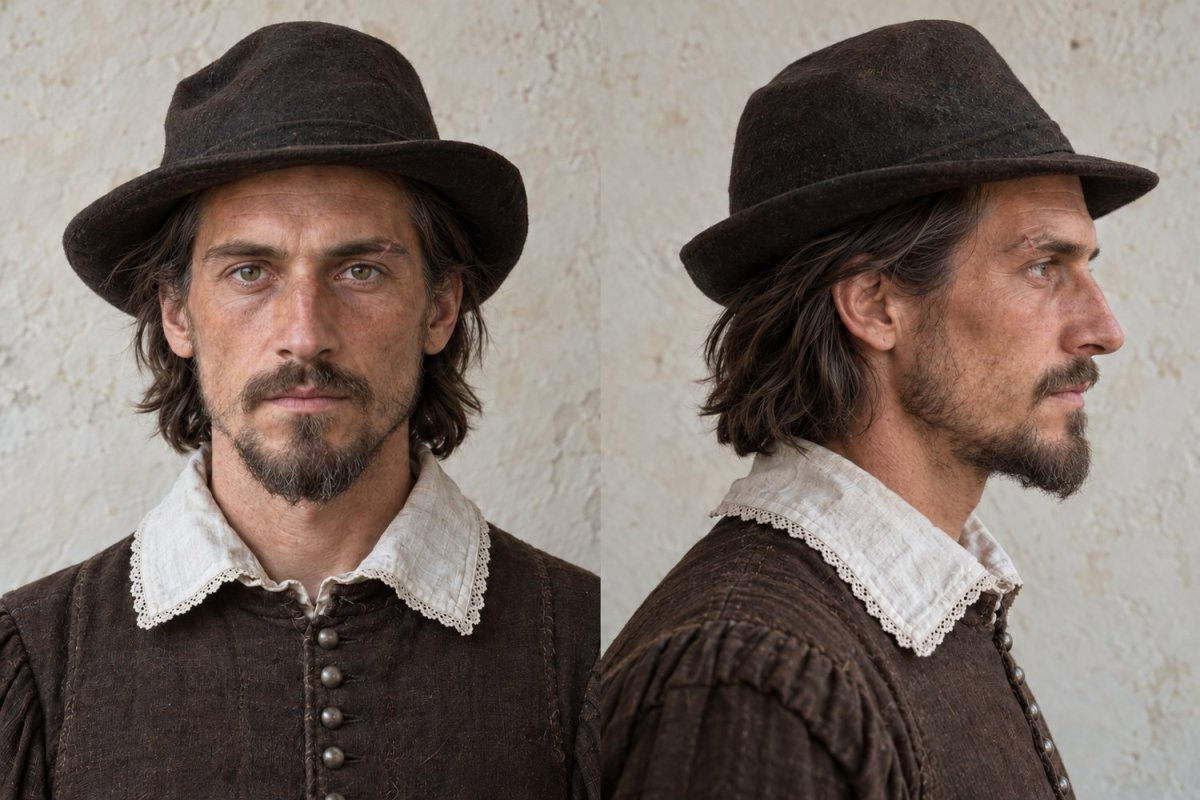
Original embedded illustration from user-supplied DNA Discovery biography, PDF page 47. Page 2 explicitly identifies illustrations as AI-generated with imagined faces. Not an authentic portrait or coordinate source.
Generated illustrationUser-approved person association. Original bytes and source capture retained; portrait authenticity is not inferred.
View source ↗User-approved person association. Original bytes and source capture retained; portrait authenticity is not inferred.
View source ↗User-approved person association. Original bytes and source capture retained; portrait authenticity is not inferred.
View source ↗User-approved person association. Original bytes and source capture retained; portrait authenticity is not inferred.
View source ↗User-approved person association. Original bytes and source capture retained; portrait authenticity is not inferred.
View source ↗User-approved person association. Original bytes and source capture retained; portrait authenticity is not inferred.
View source ↗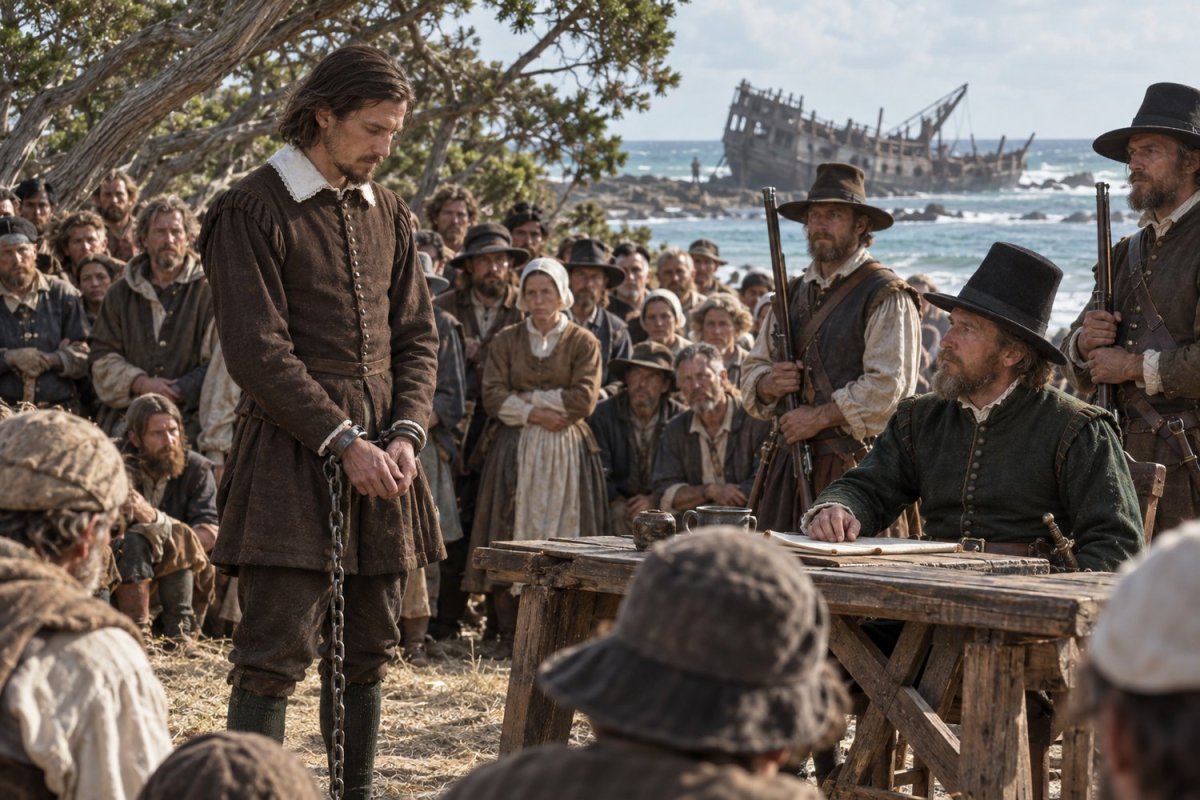
Original embedded illustration from user-supplied DNA Discovery biography, PDF page 1. Page 2 explicitly identifies illustrations as AI-generated with imagined faces. Not an authentic portrait or coordinate source.
Generated illustration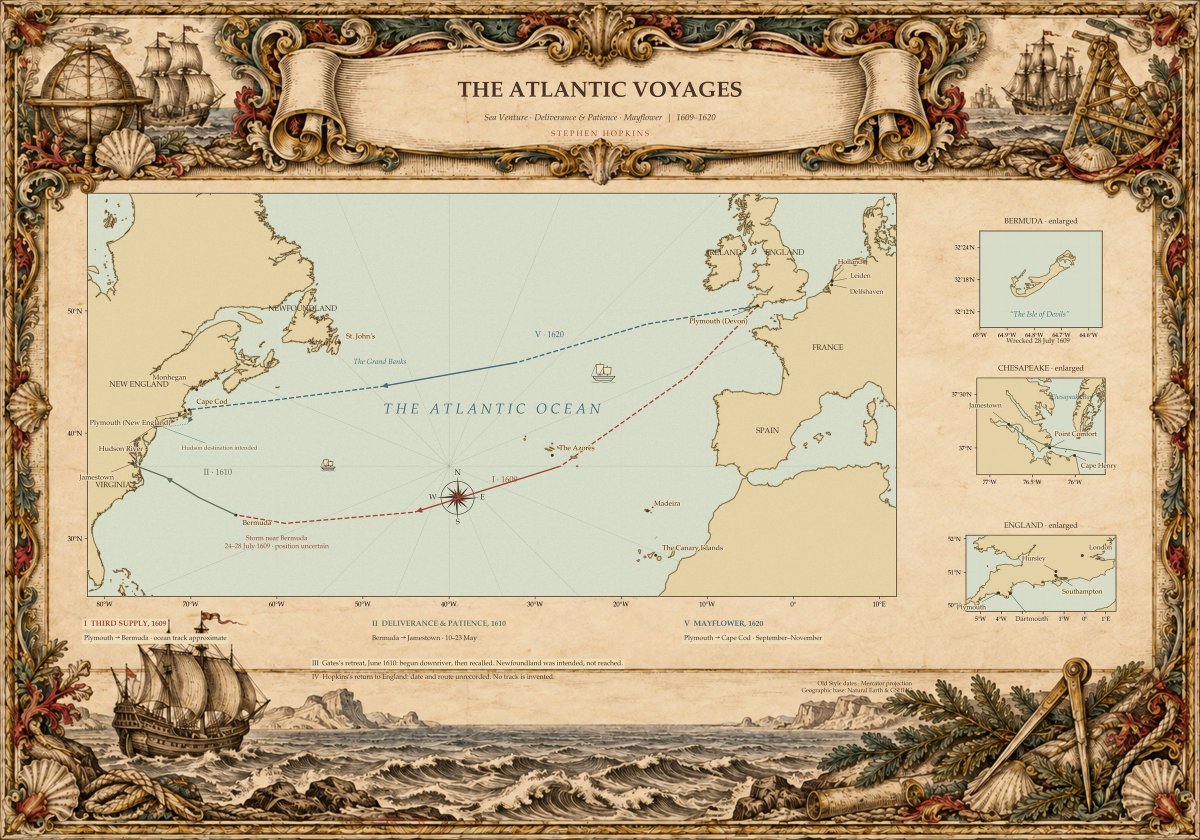
Original embedded illustration from user-supplied DNA Discovery biography, PDF page 4. Page 2 explicitly identifies illustrations as AI-generated with imagined faces. Not an authentic portrait or coordinate source.
Generated illustration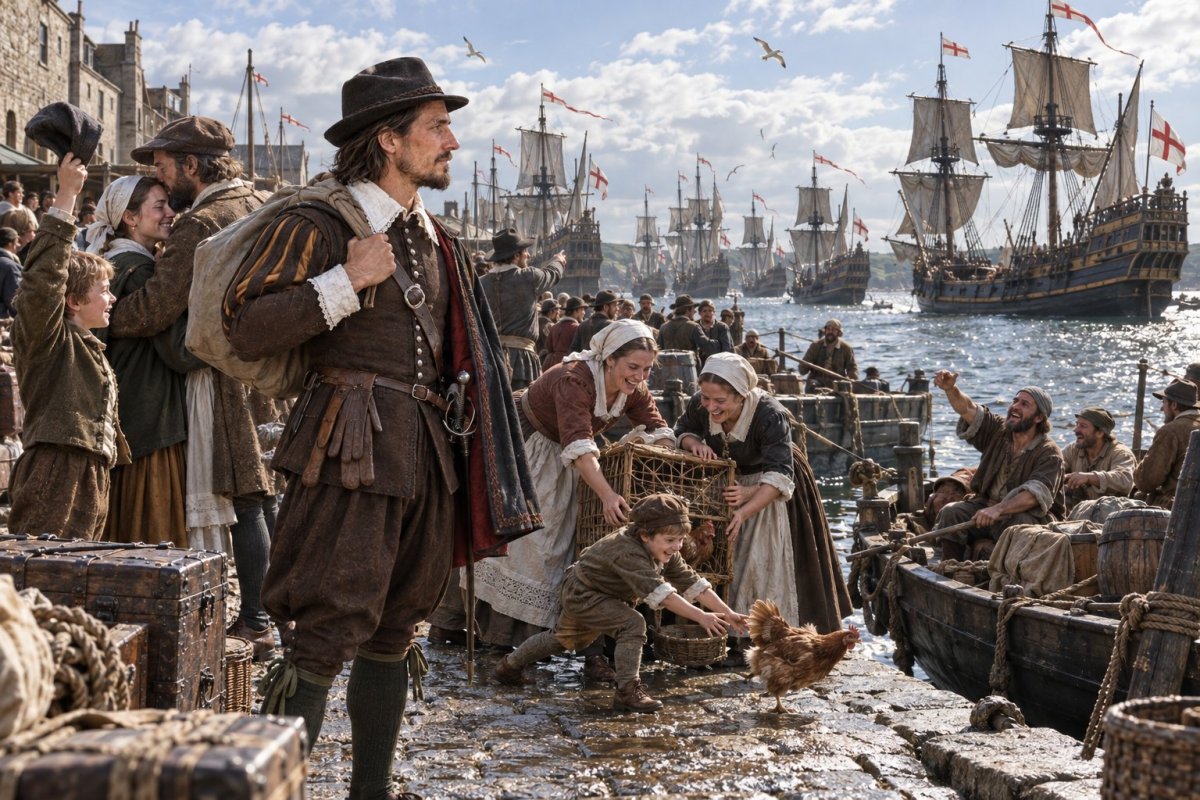
Original embedded illustration from user-supplied DNA Discovery biography, PDF page 7. Page 2 explicitly identifies illustrations as AI-generated with imagined faces. Not an authentic portrait or coordinate source.
Generated illustration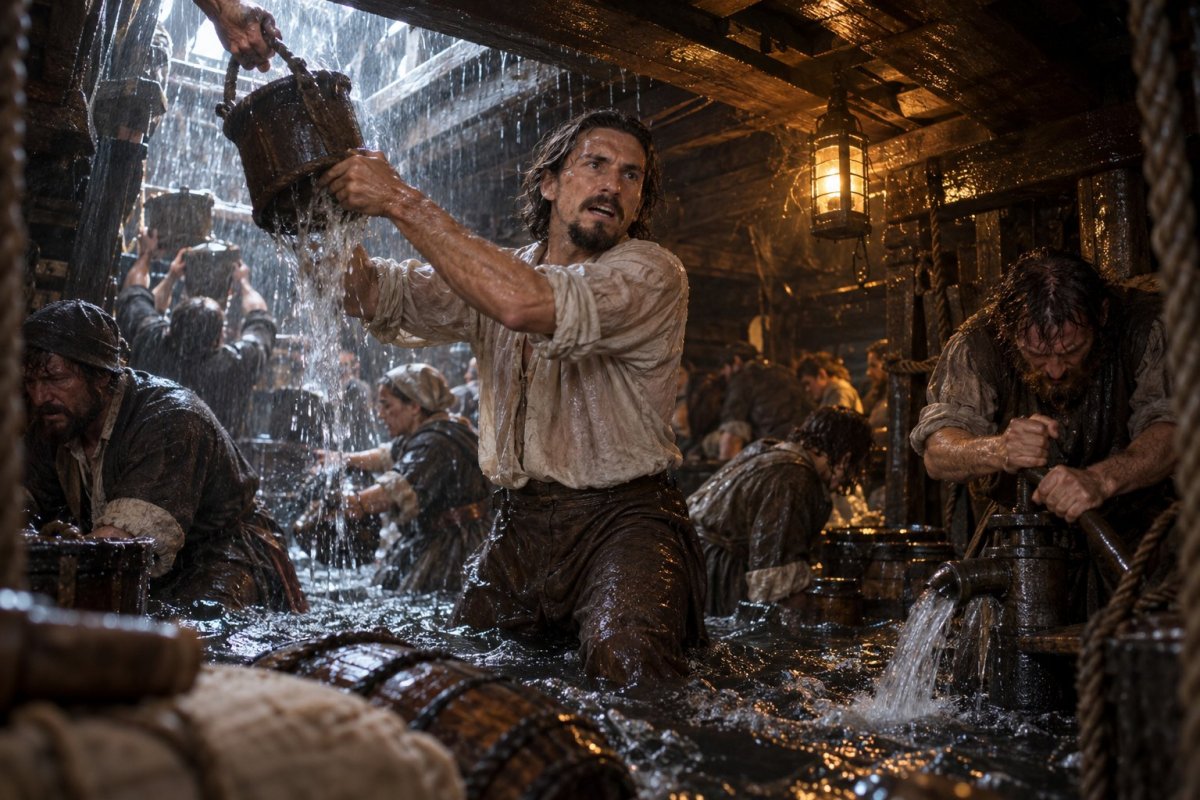
Original embedded illustration from user-supplied DNA Discovery biography, PDF page 8. Page 2 explicitly identifies illustrations as AI-generated with imagined faces. Not an authentic portrait or coordinate source.
Generated illustration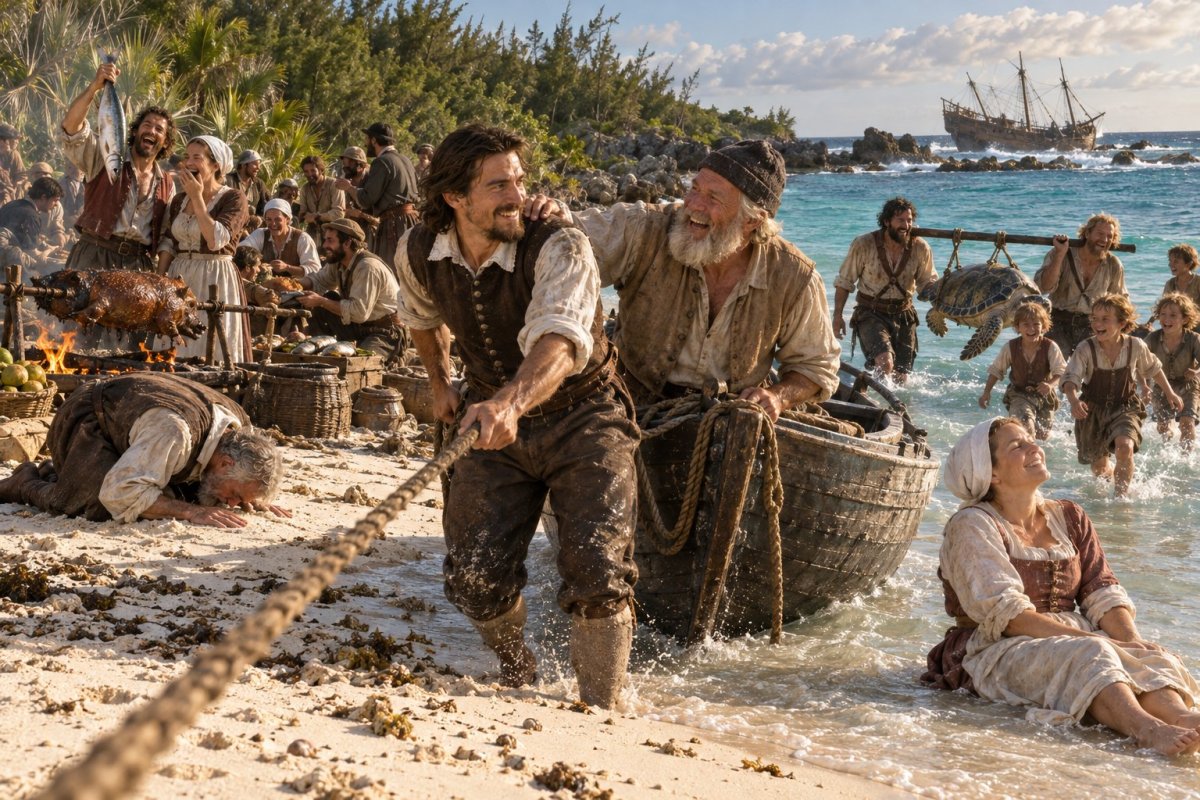
Original embedded illustration from user-supplied DNA Discovery biography, PDF page 10. Page 2 explicitly identifies illustrations as AI-generated with imagined faces. Not an authentic portrait or coordinate source.
Generated illustration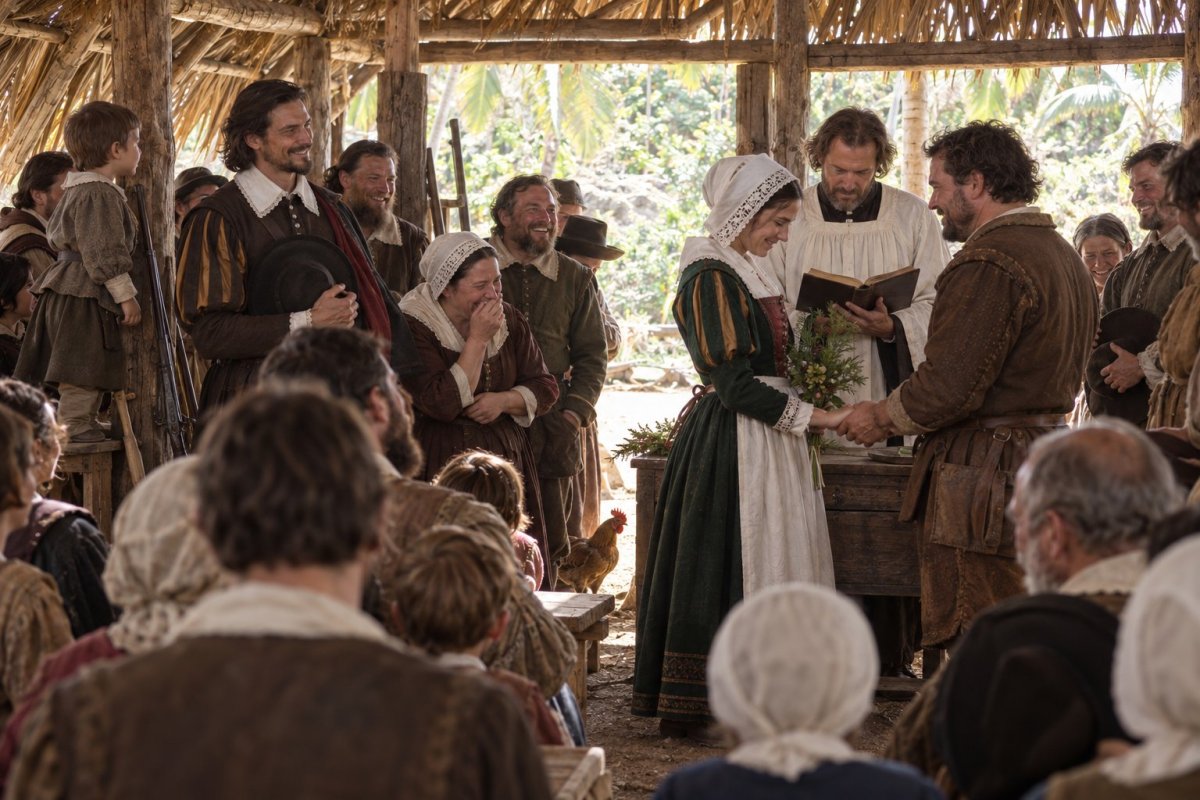
Original embedded illustration from user-supplied DNA Discovery biography, PDF page 11. Page 2 explicitly identifies illustrations as AI-generated with imagined faces. Not an authentic portrait or coordinate source.
Generated illustration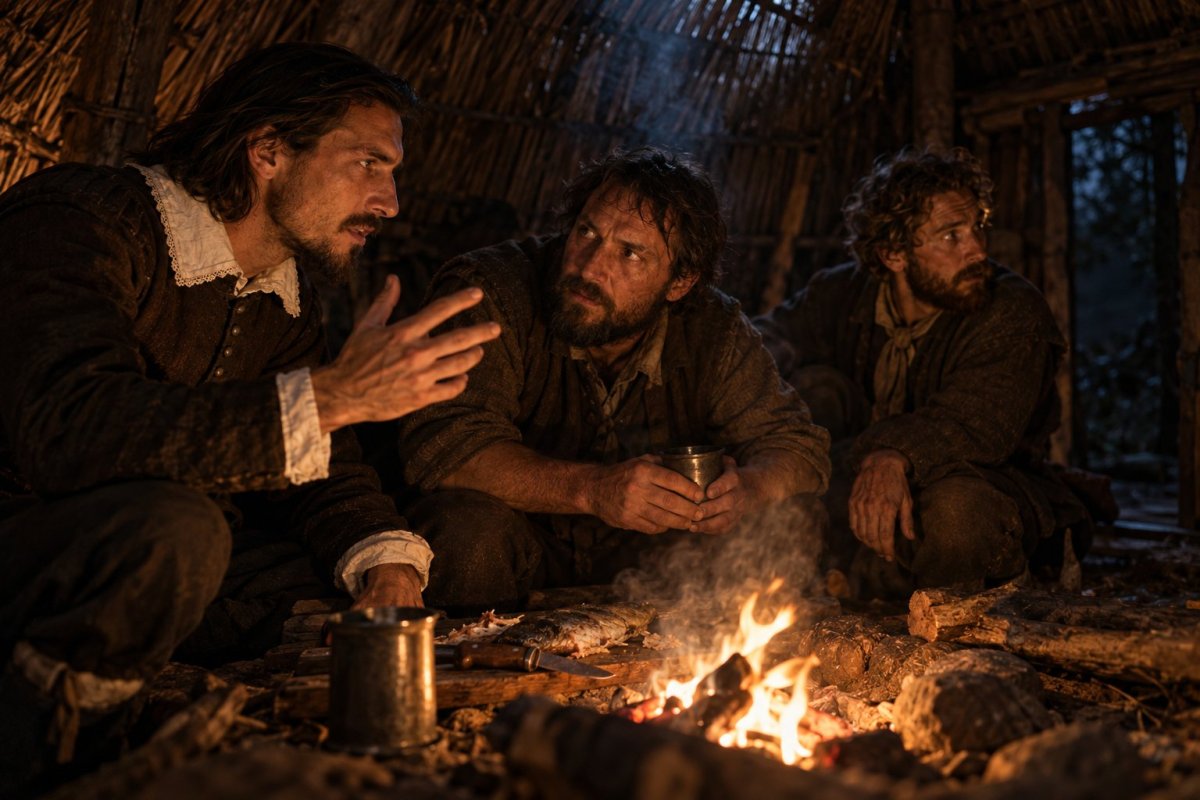
Original embedded illustration from user-supplied DNA Discovery biography, PDF page 12. Page 2 explicitly identifies illustrations as AI-generated with imagined faces. Not an authentic portrait or coordinate source.
Generated illustration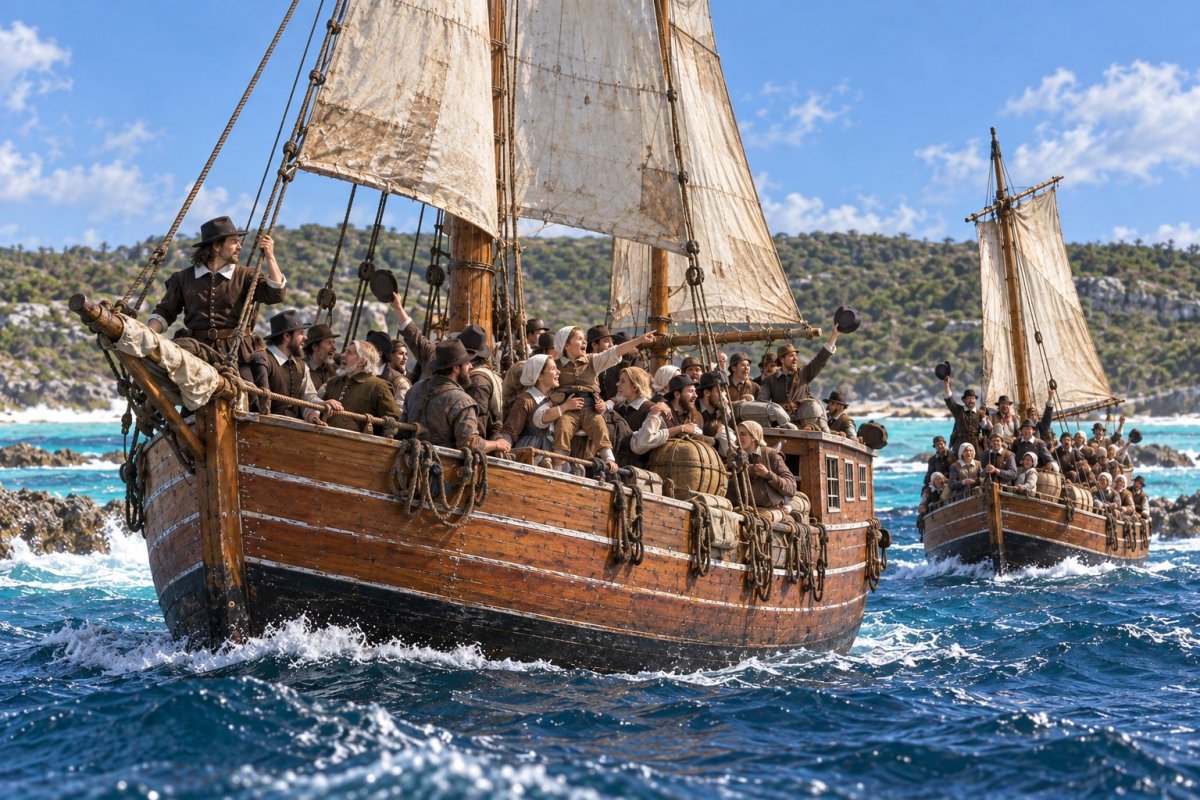
Original embedded illustration from user-supplied DNA Discovery biography, PDF page 14. Page 2 explicitly identifies illustrations as AI-generated with imagined faces. Not an authentic portrait or coordinate source.
Generated illustration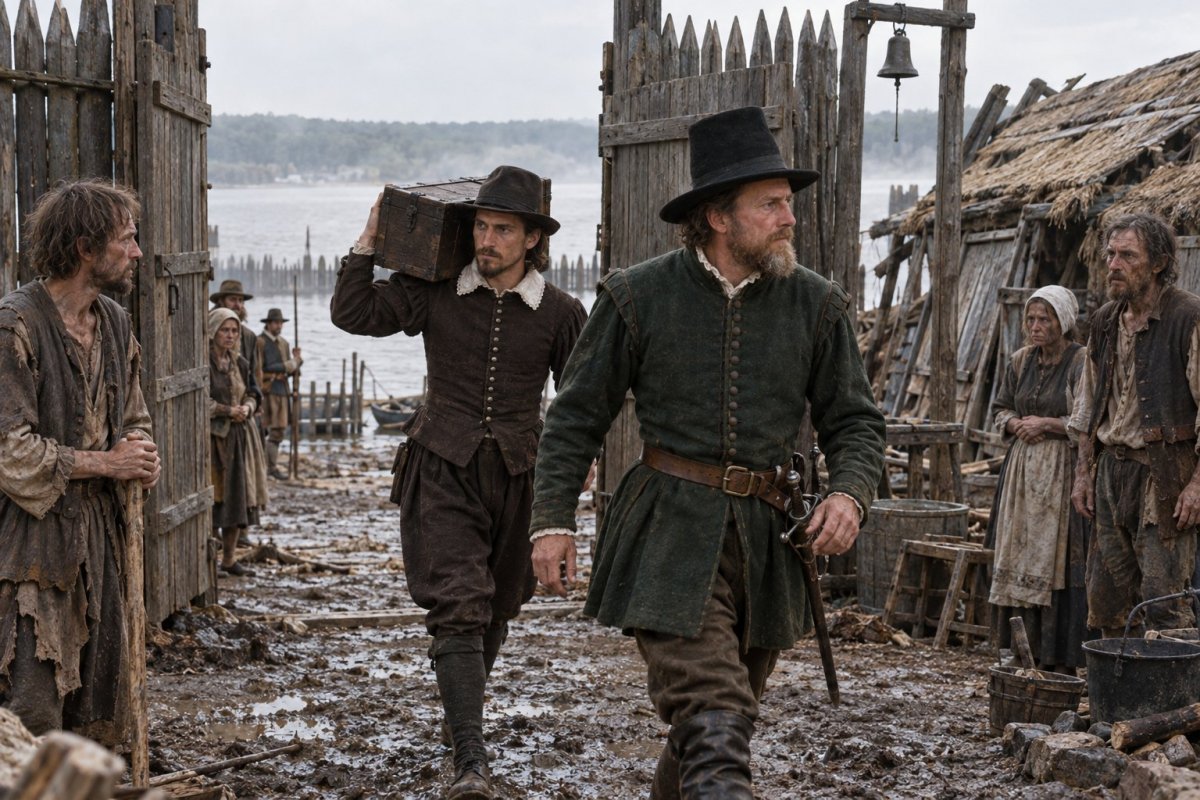
Original embedded illustration from user-supplied DNA Discovery biography, PDF page 15. Page 2 explicitly identifies illustrations as AI-generated with imagined faces. Not an authentic portrait or coordinate source.
Generated illustration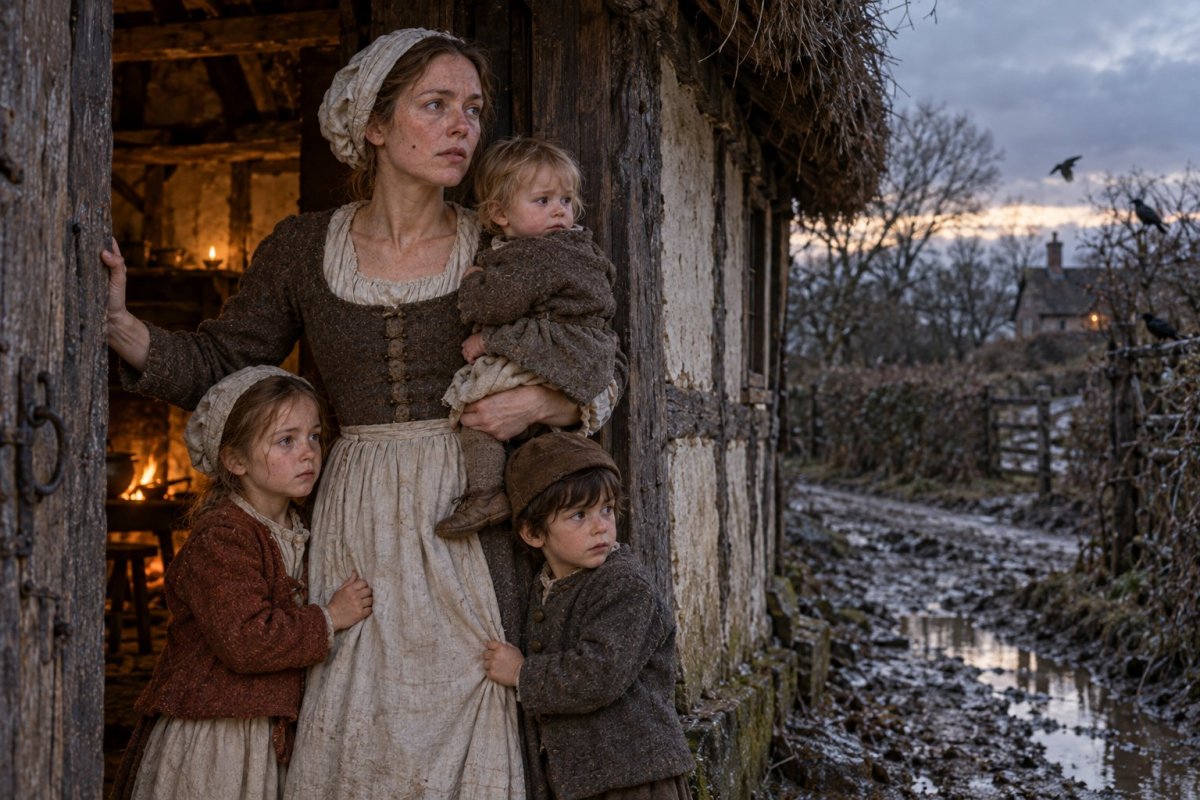
Original embedded illustration from user-supplied DNA Discovery biography, PDF page 17. Page 2 explicitly identifies illustrations as AI-generated with imagined faces. Not an authentic portrait or coordinate source.
Generated illustration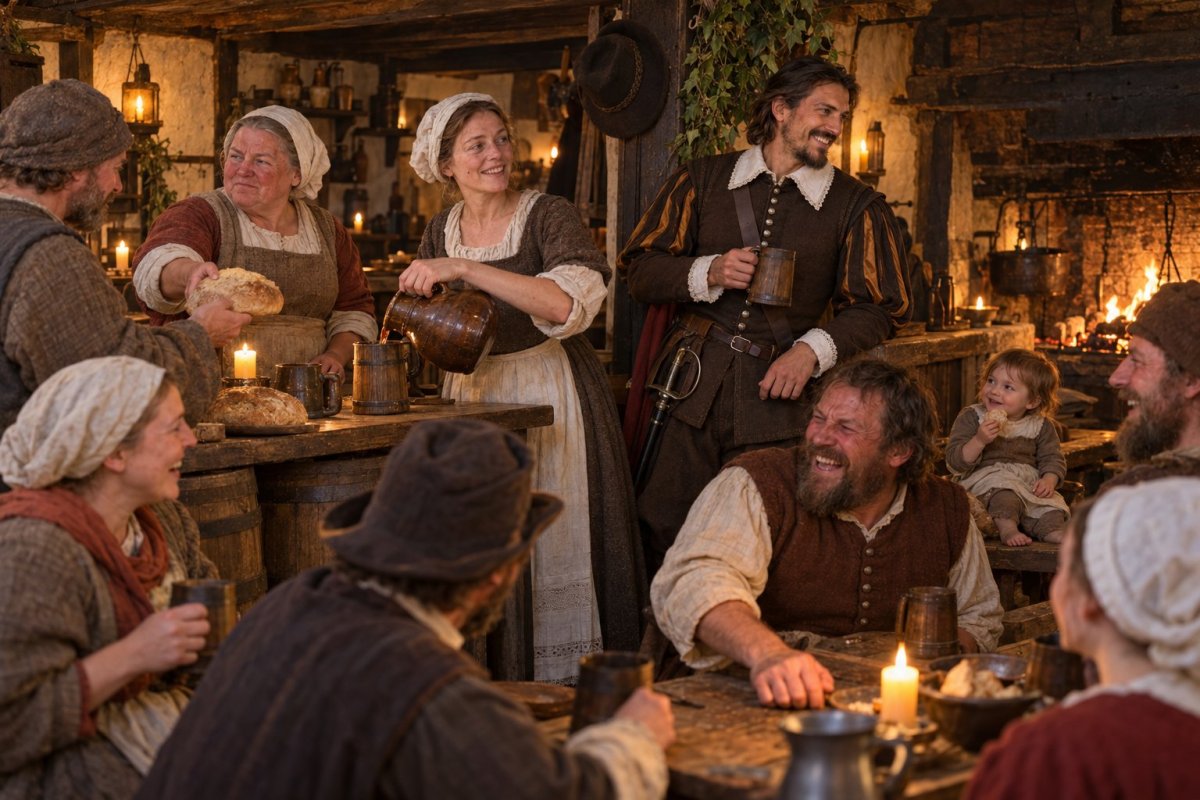
Original embedded illustration from user-supplied DNA Discovery biography, PDF page 18. Page 2 explicitly identifies illustrations as AI-generated with imagined faces. Not an authentic portrait or coordinate source.
Generated illustration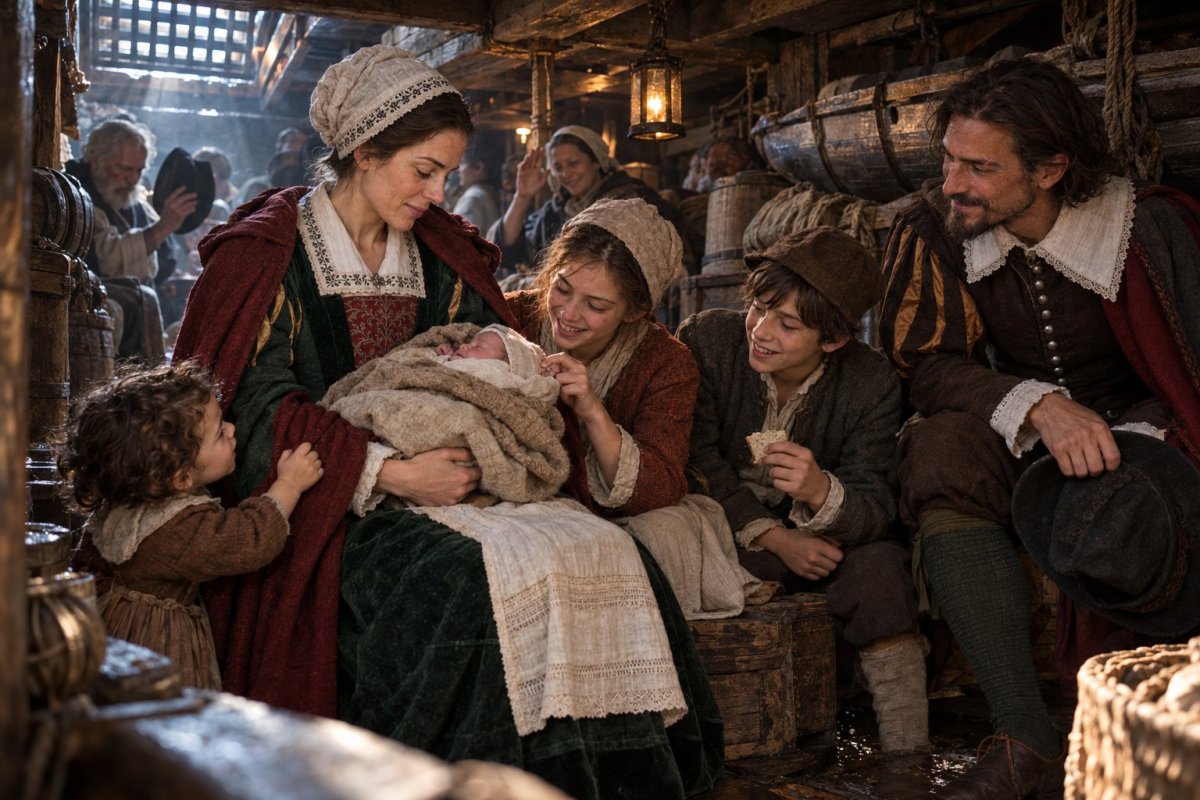
Original embedded illustration from user-supplied DNA Discovery biography, PDF page 21. Page 2 explicitly identifies illustrations as AI-generated with imagined faces. Not an authentic portrait or coordinate source.
Generated illustration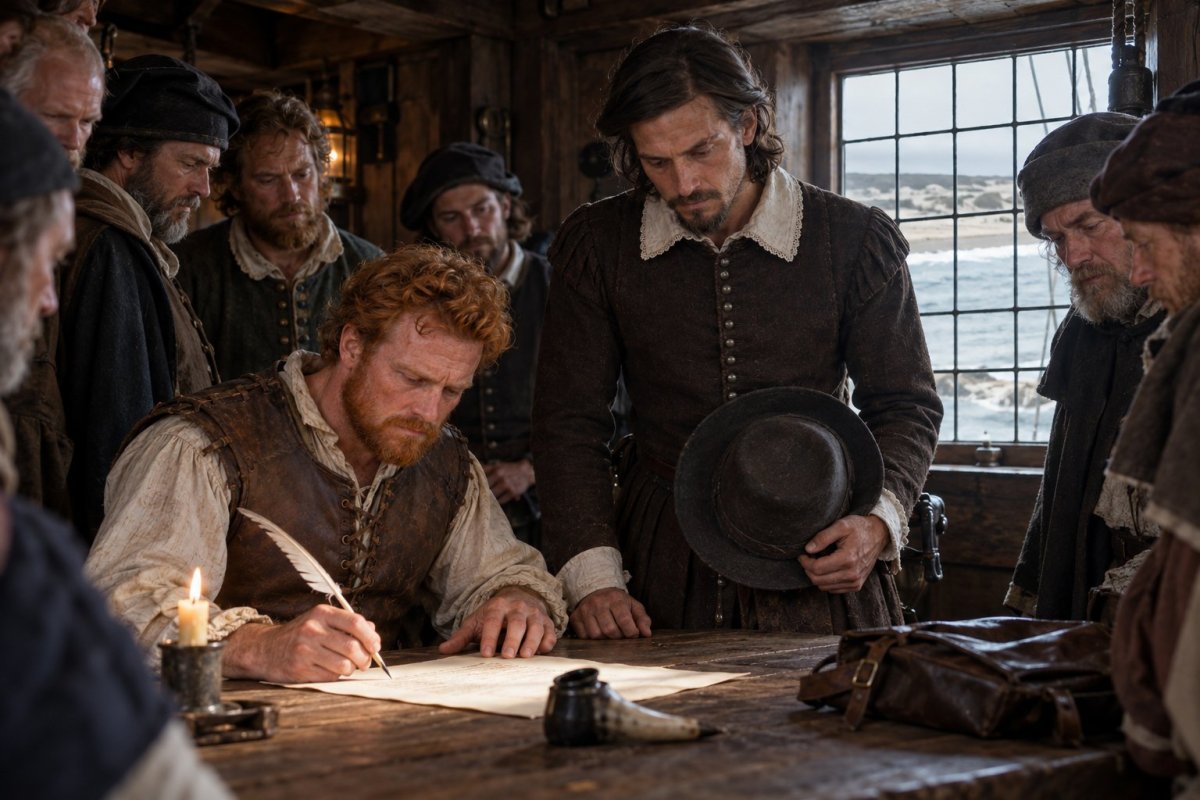
Original embedded illustration from user-supplied DNA Discovery biography, PDF page 22. Page 2 explicitly identifies illustrations as AI-generated with imagined faces. Not an authentic portrait or coordinate source.
Generated illustration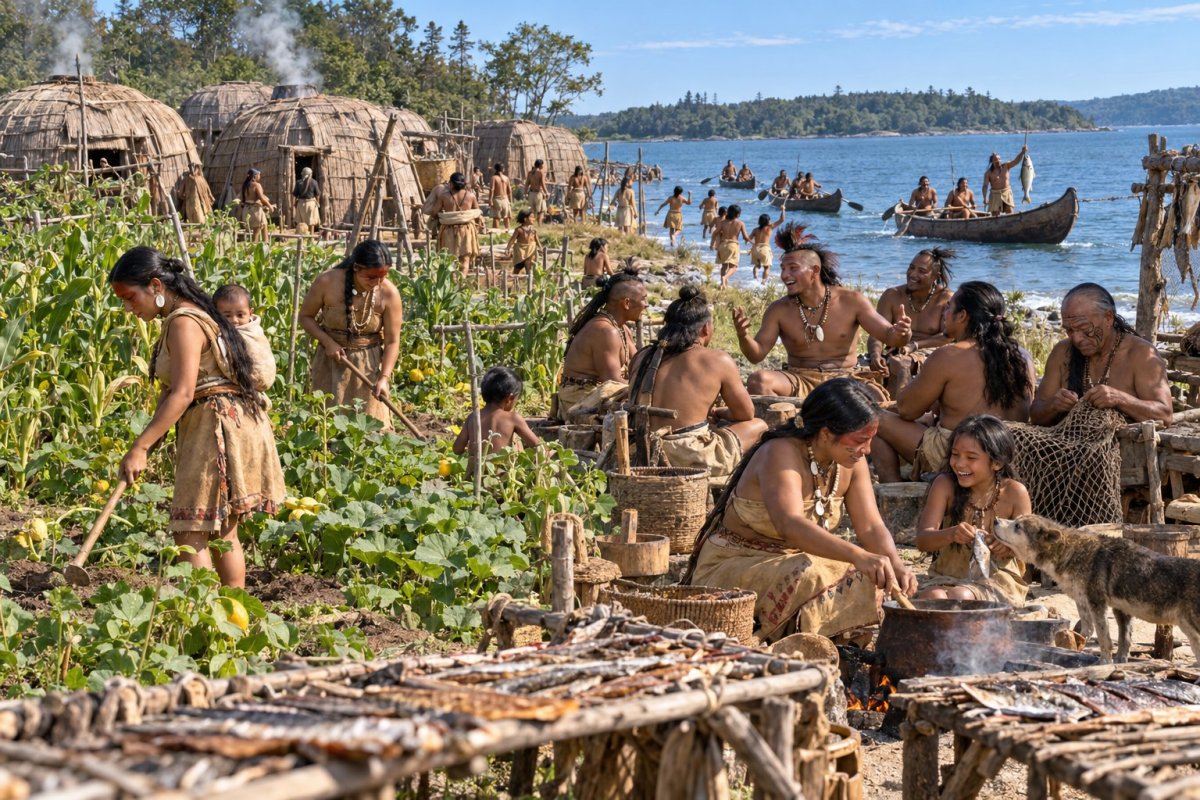
Original embedded illustration from user-supplied DNA Discovery biography, PDF page 23. Page 2 explicitly identifies illustrations as AI-generated with imagined faces. Not an authentic portrait or coordinate source.
Generated illustration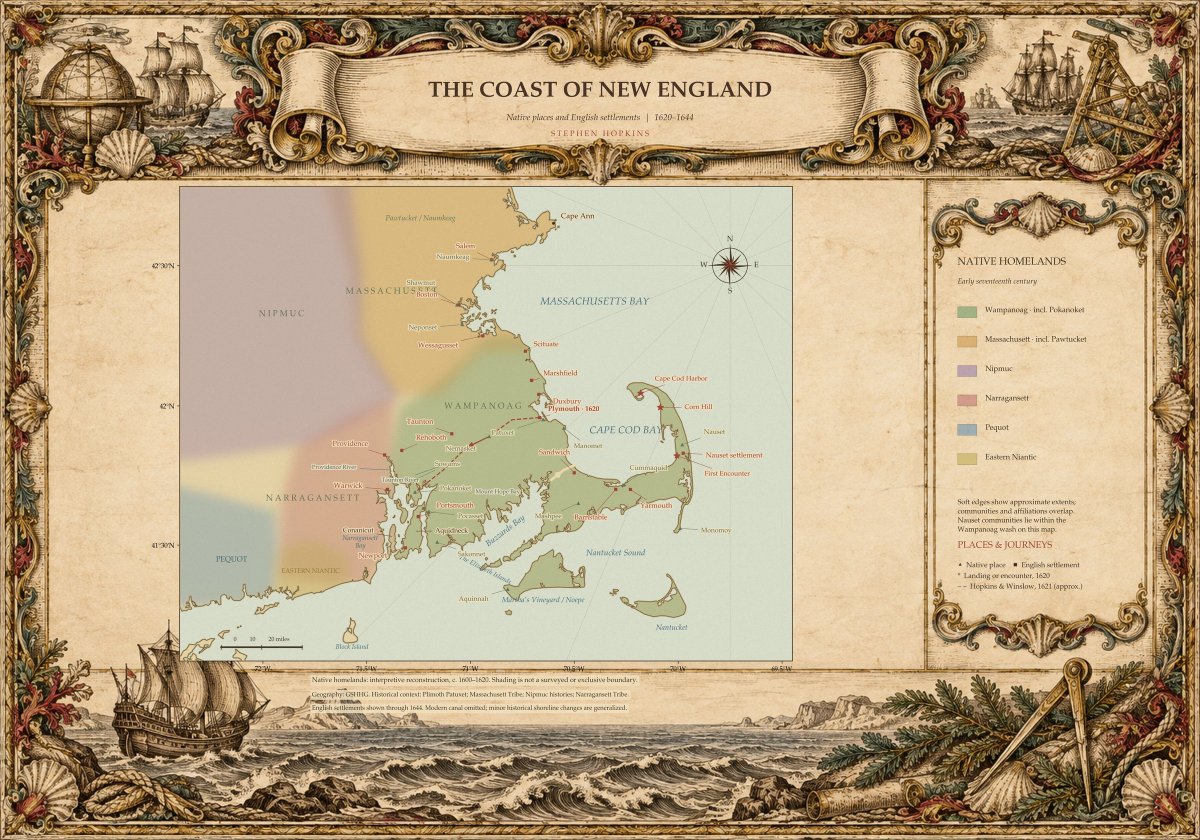
Original embedded illustration from user-supplied DNA Discovery biography, PDF page 25. Page 2 explicitly identifies illustrations as AI-generated with imagined faces. Not an authentic portrait or coordinate source.
Generated illustration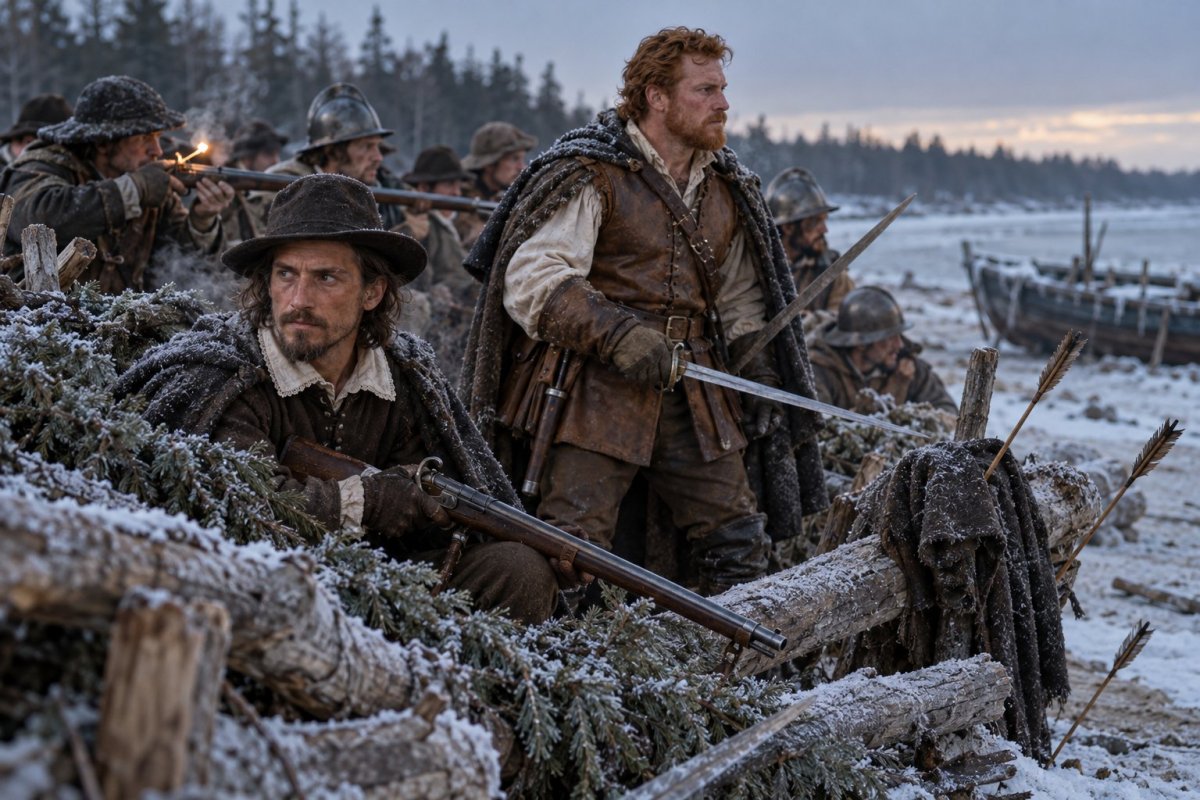
Original embedded illustration from user-supplied DNA Discovery biography, PDF page 27. Page 2 explicitly identifies illustrations as AI-generated with imagined faces. Not an authentic portrait or coordinate source.
Generated illustration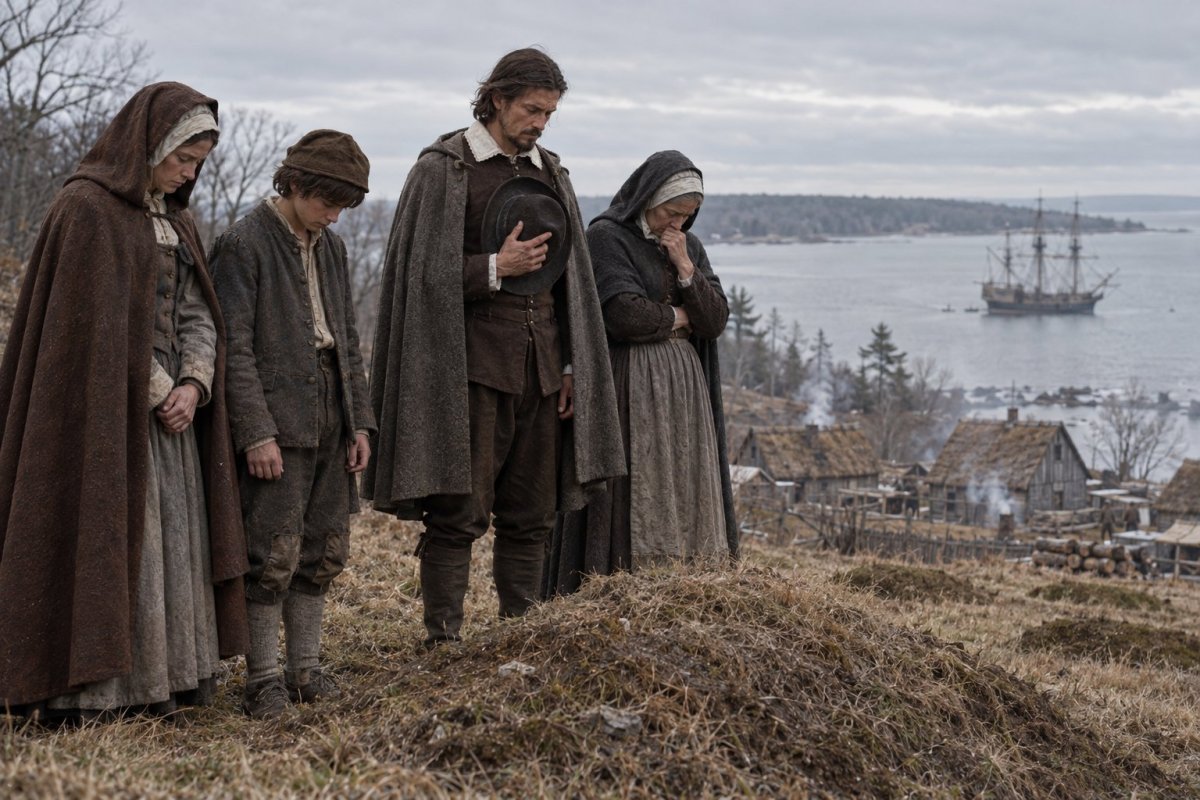
Original embedded illustration from user-supplied DNA Discovery biography, PDF page 28. Page 2 explicitly identifies illustrations as AI-generated with imagined faces. Not an authentic portrait or coordinate source.
Generated illustration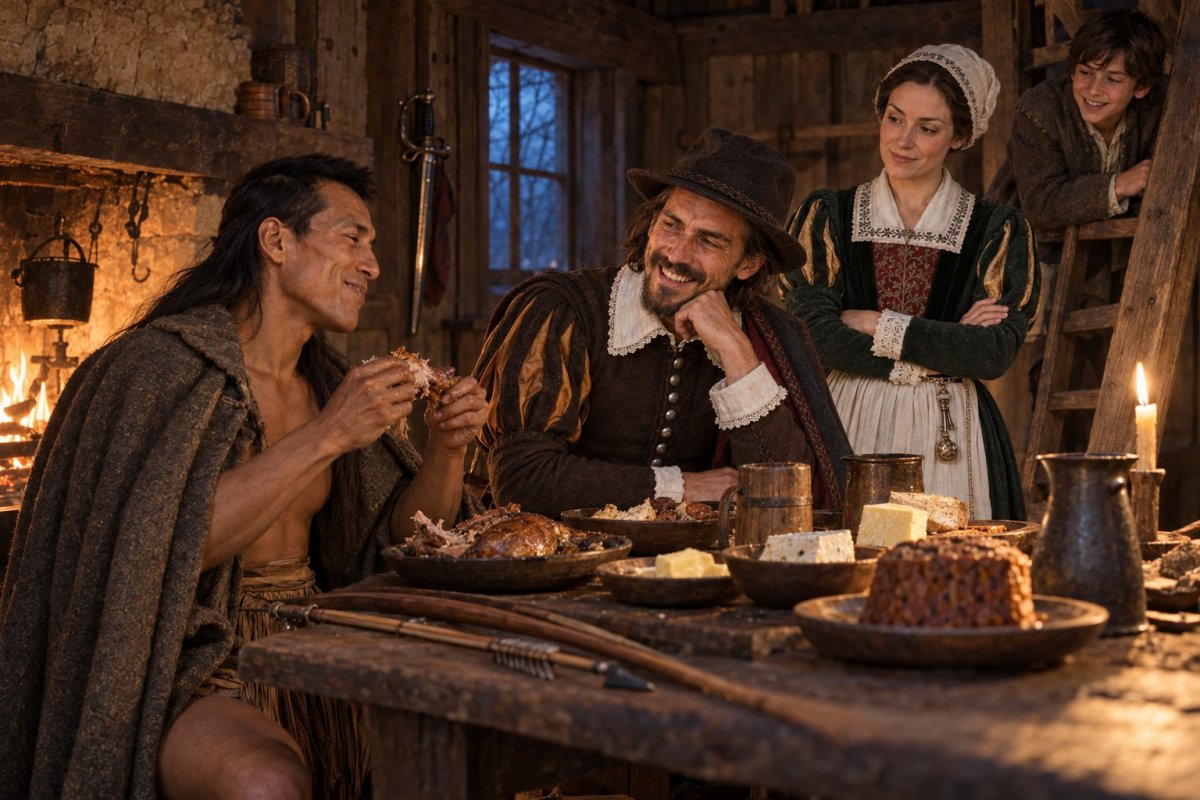
Original embedded illustration from user-supplied DNA Discovery biography, PDF page 30. Page 2 explicitly identifies illustrations as AI-generated with imagined faces. Not an authentic portrait or coordinate source.
Generated illustration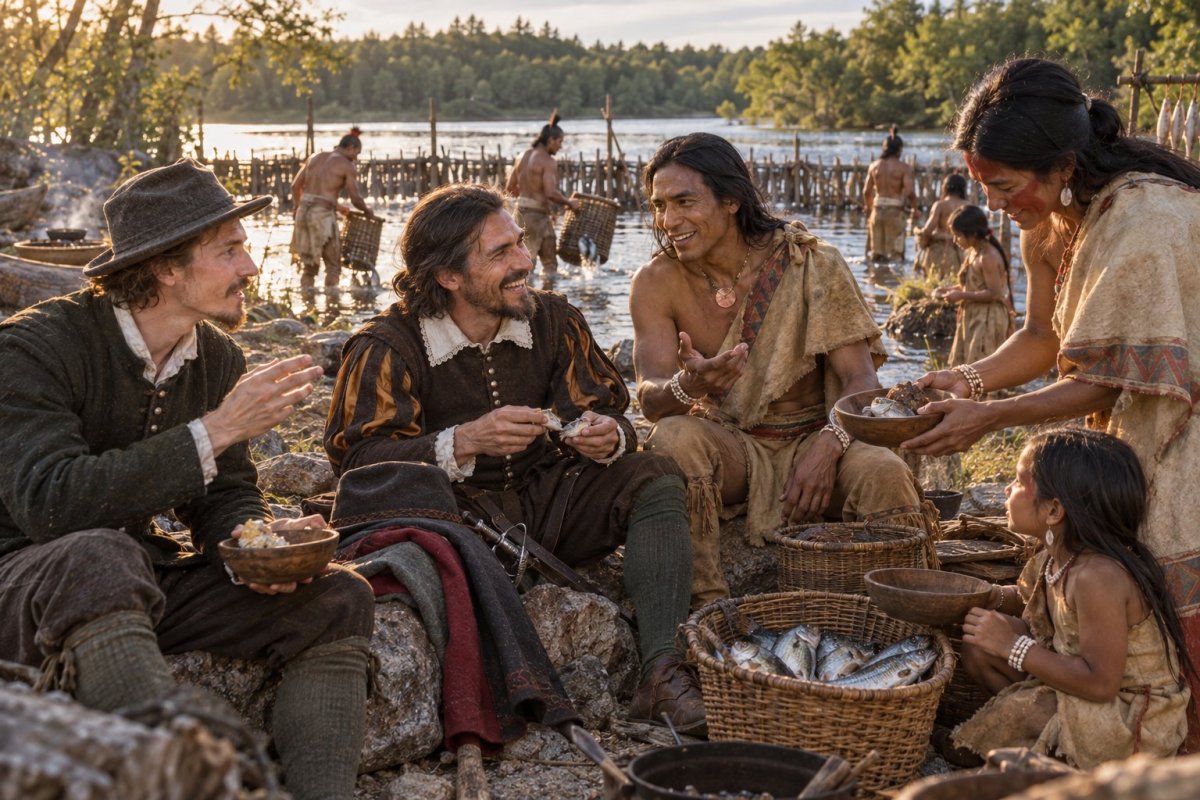
Original embedded illustration from user-supplied DNA Discovery biography, PDF page 32. Page 2 explicitly identifies illustrations as AI-generated with imagined faces. Not an authentic portrait or coordinate source.
Generated illustration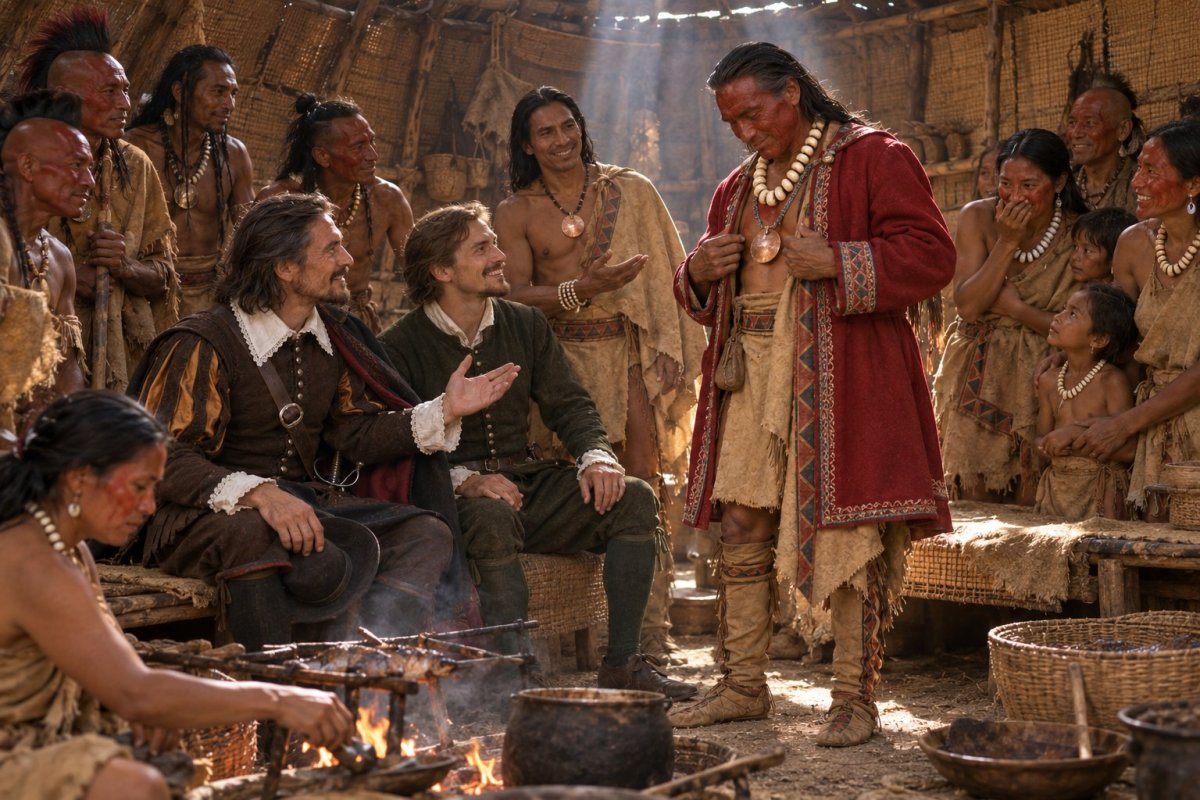
Original embedded illustration from user-supplied DNA Discovery biography, PDF page 33. Page 2 explicitly identifies illustrations as AI-generated with imagined faces. Not an authentic portrait or coordinate source.
Generated illustration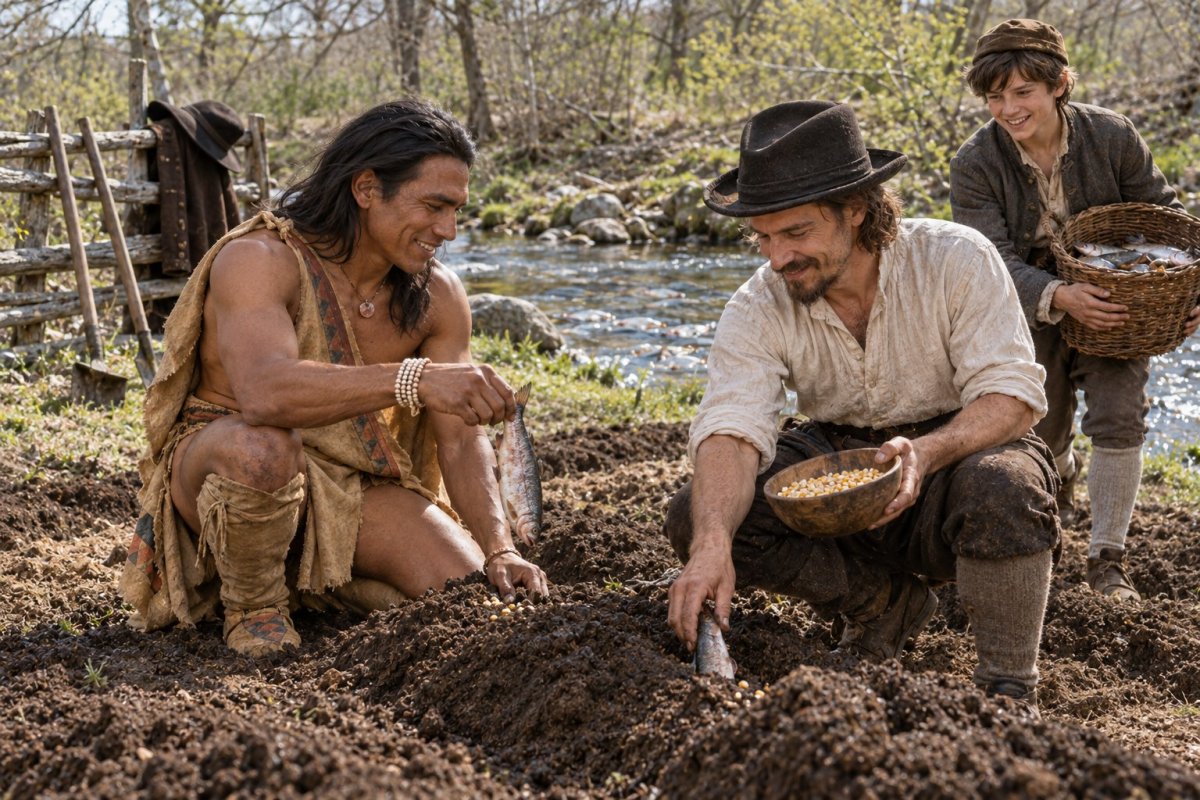
Original embedded illustration from user-supplied DNA Discovery biography, PDF page 35. Page 2 explicitly identifies illustrations as AI-generated with imagined faces. Not an authentic portrait or coordinate source.
Generated illustration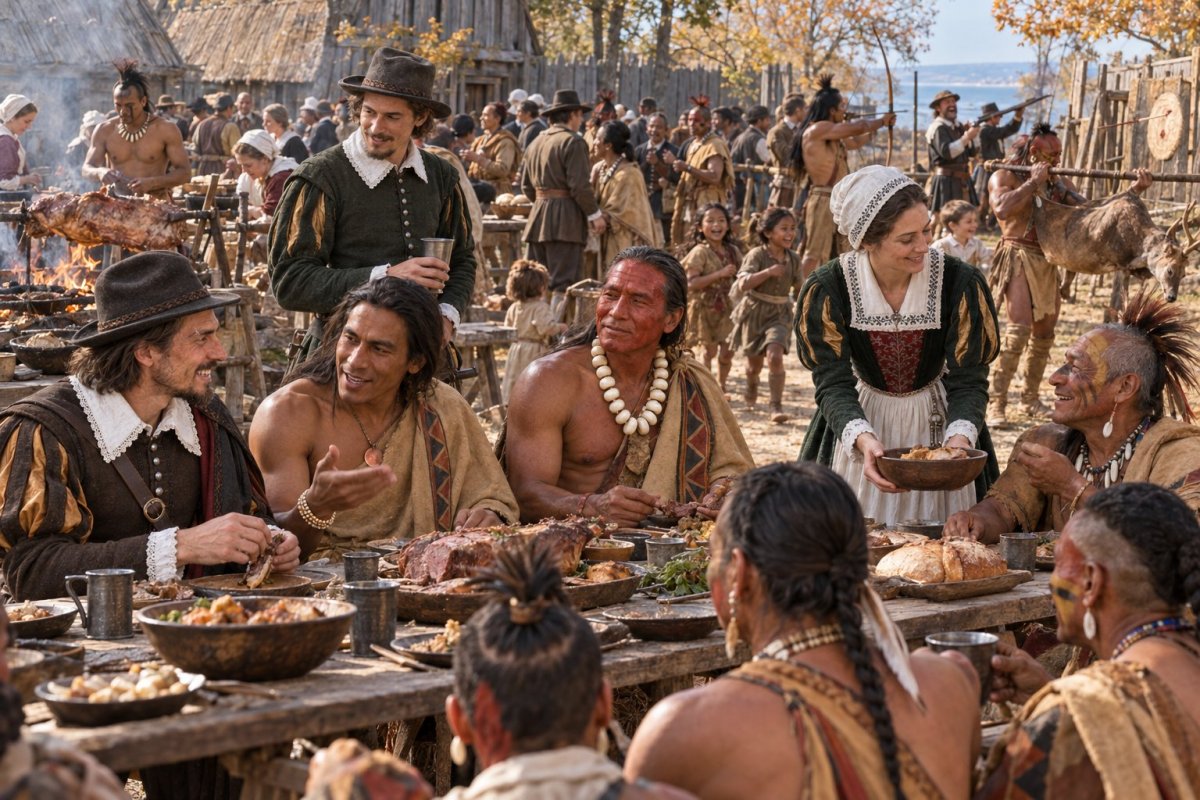
Original embedded illustration from user-supplied DNA Discovery biography, PDF page 36. Page 2 explicitly identifies illustrations as AI-generated with imagined faces. Not an authentic portrait or coordinate source.
Generated illustration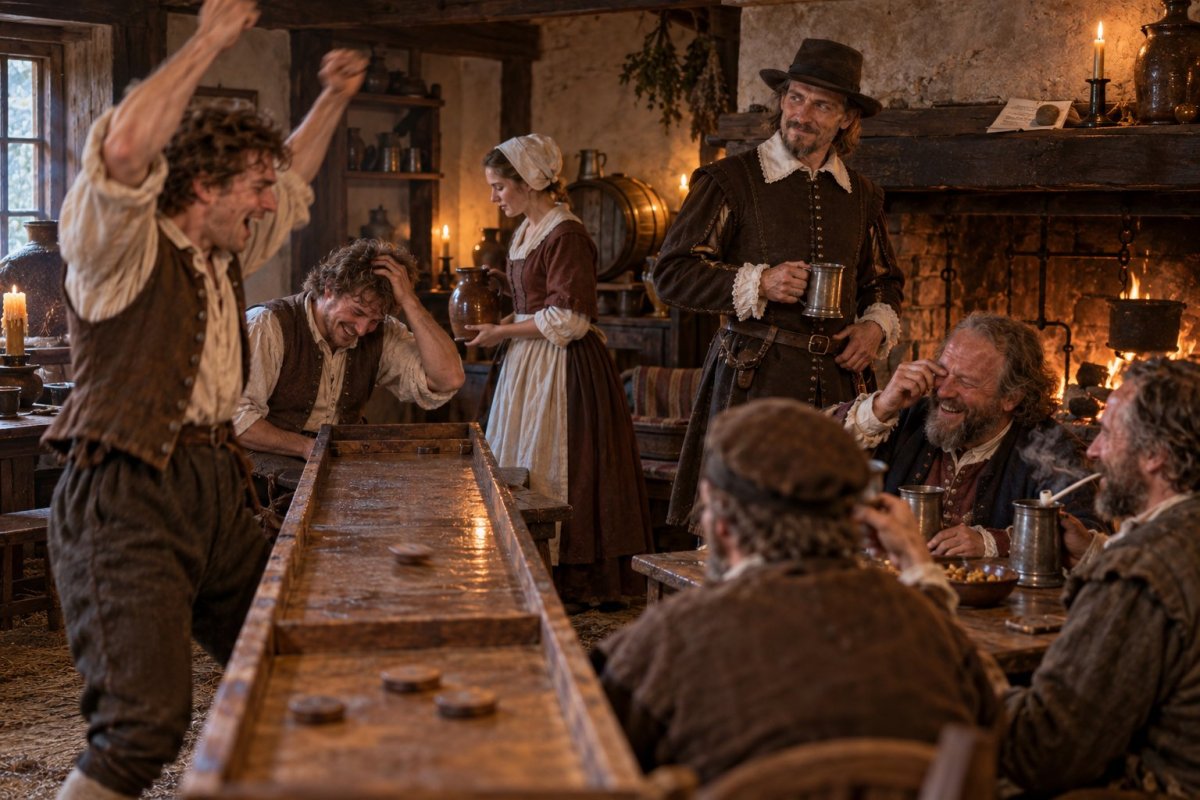
Original embedded illustration from user-supplied DNA Discovery biography, PDF page 38. Page 2 explicitly identifies illustrations as AI-generated with imagined faces. Not an authentic portrait or coordinate source.
Generated illustration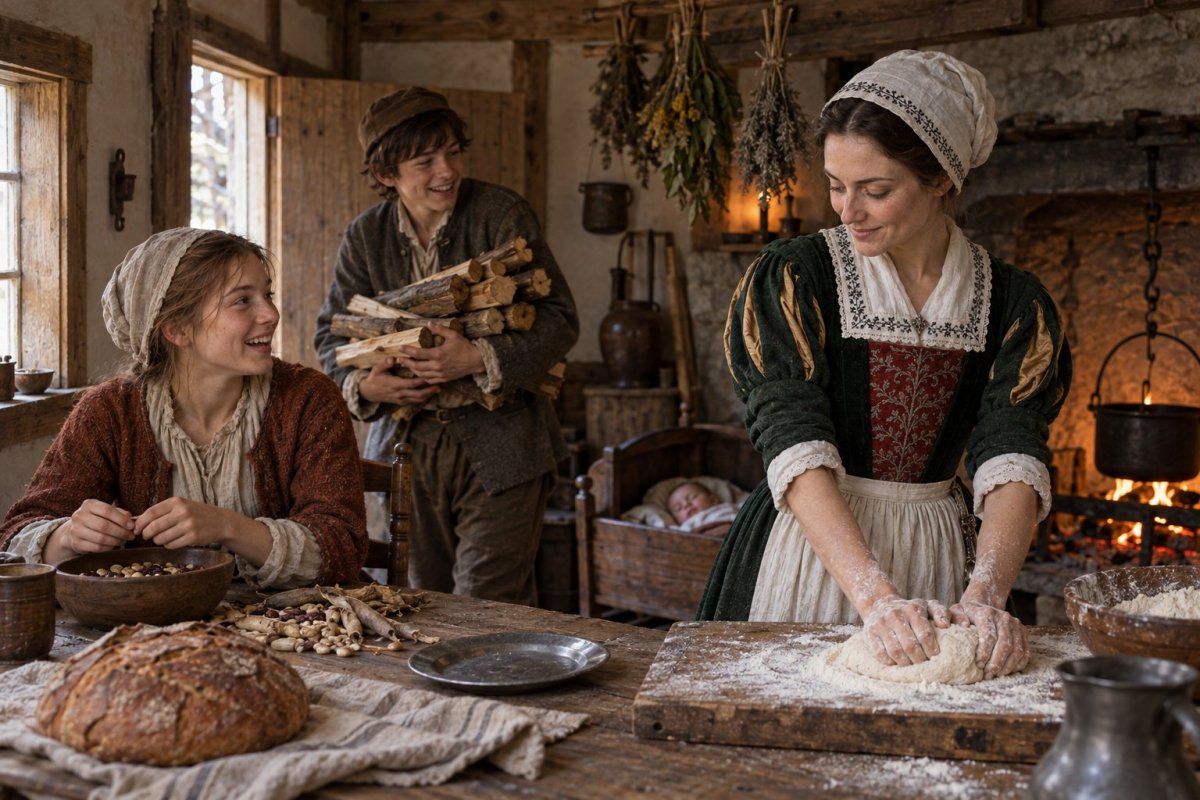
Original embedded illustration from user-supplied DNA Discovery biography, PDF page 40. Page 2 explicitly identifies illustrations as AI-generated with imagined faces. Not an authentic portrait or coordinate source.
Generated illustration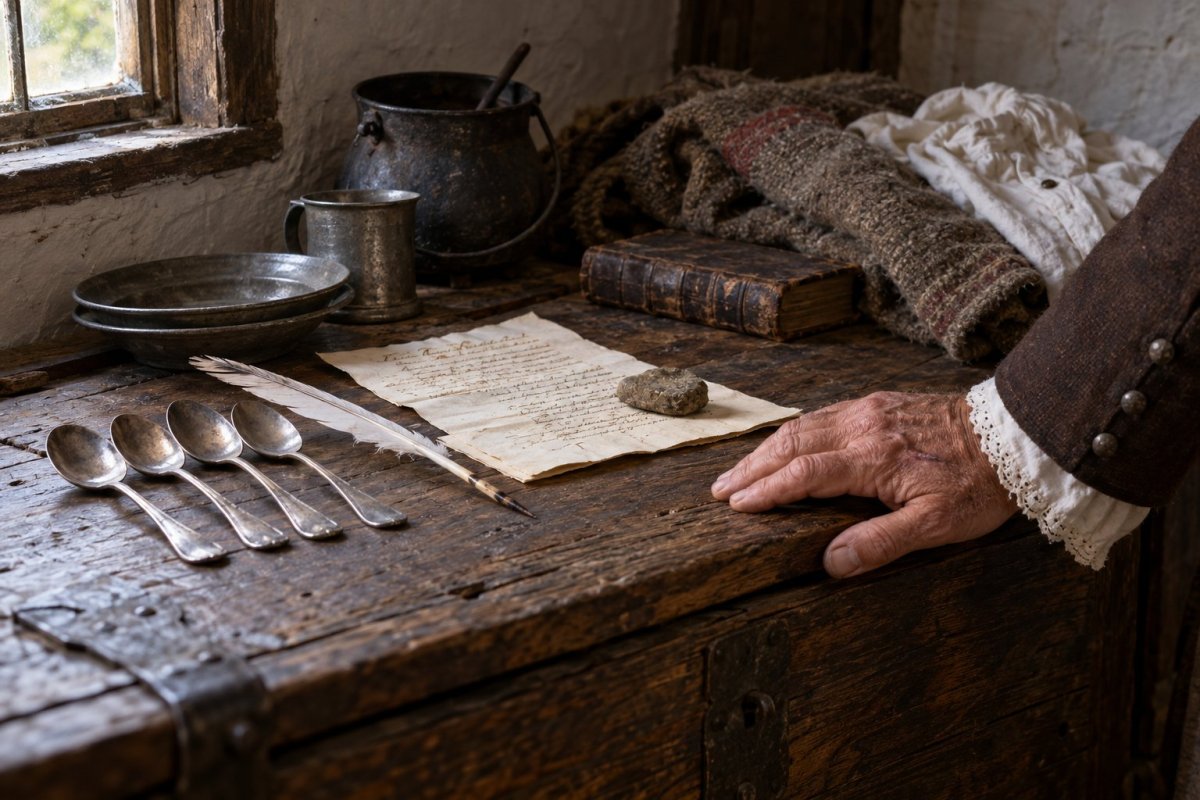
Original embedded illustration from user-supplied DNA Discovery biography, PDF page 41. Page 2 explicitly identifies illustrations as AI-generated with imagined faces. Not an authentic portrait or coordinate source.
Generated illustration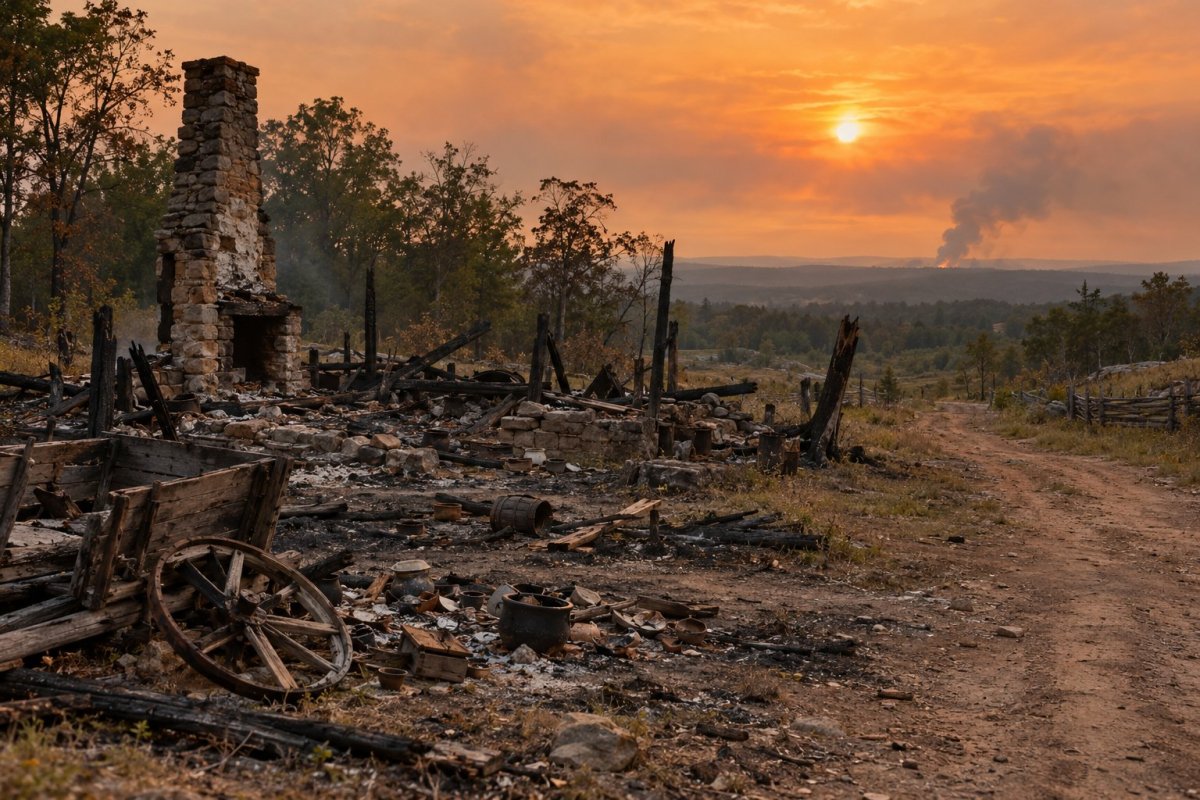
Original embedded illustration from user-supplied DNA Discovery biography, PDF page 43. Page 2 explicitly identifies illustrations as AI-generated with imagined faces. Not an authentic portrait or coordinate source.
Generated illustration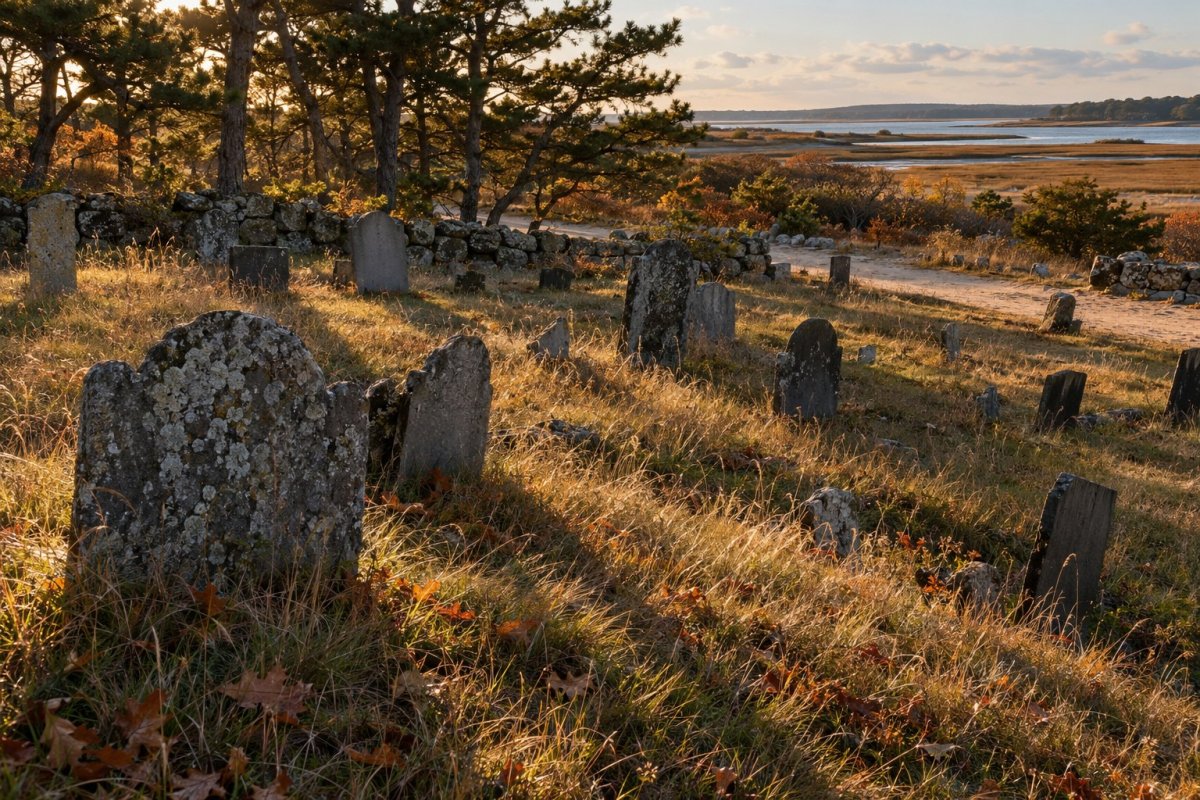
Original embedded illustration from user-supplied DNA Discovery biography, PDF page 44. Page 2 explicitly identifies illustrations as AI-generated with imagined faces. Not an authentic portrait or coordinate source.
Generated illustration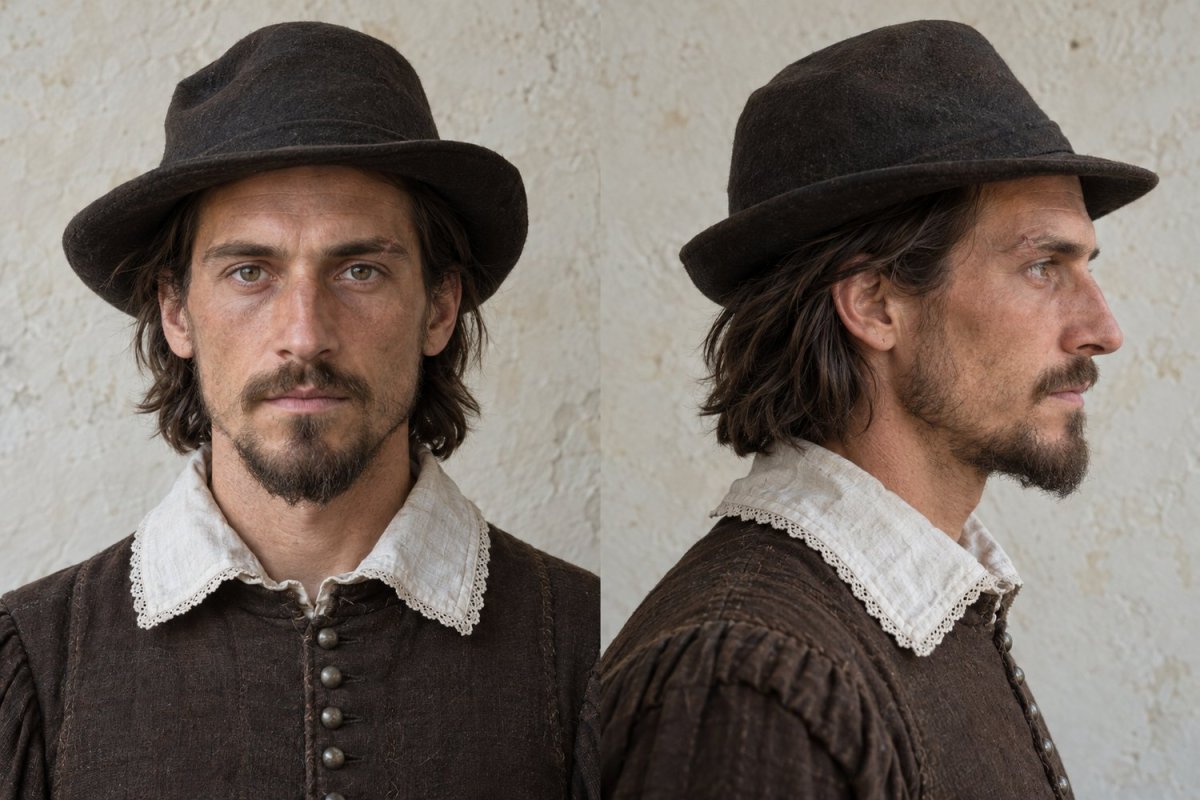
Original embedded illustration from user-supplied DNA Discovery biography, PDF page 46. Page 2 explicitly identifies illustrations as AI-generated with imagined faces. Not an authentic portrait or coordinate source.
Generated illustration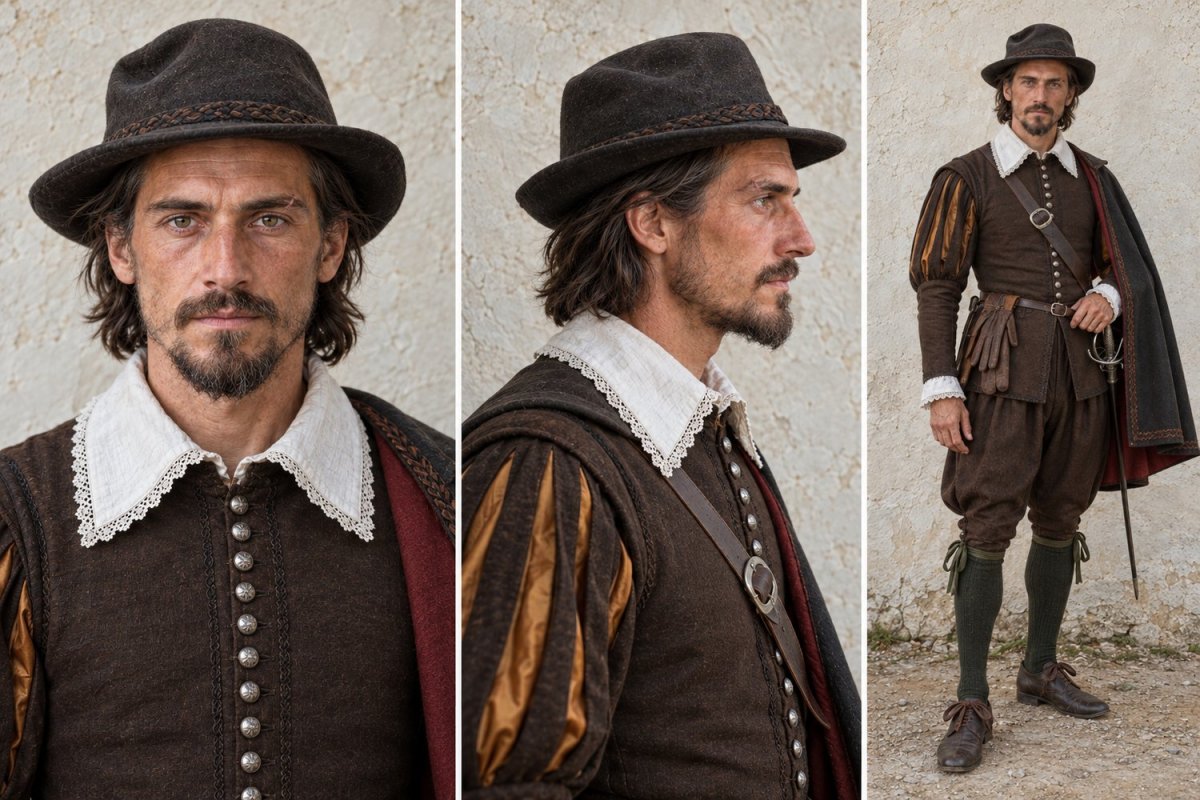
Original embedded illustration from user-supplied DNA Discovery biography, PDF page 47. Page 2 explicitly identifies illustrations as AI-generated with imagined faces. Not an authentic portrait or coordinate source.
Generated illustration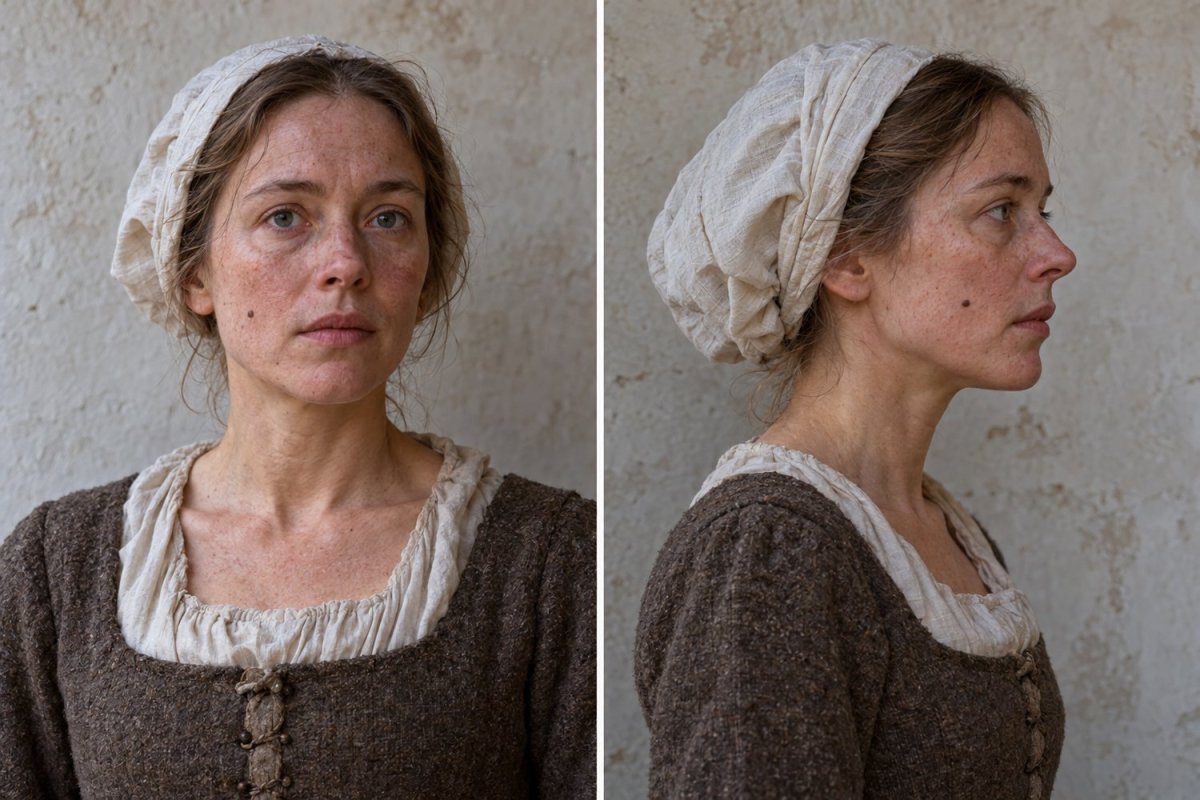
Original embedded illustration from user-supplied DNA Discovery biography, PDF page 48. Page 2 explicitly identifies illustrations as AI-generated with imagined faces. Not an authentic portrait or coordinate source.
Generated illustration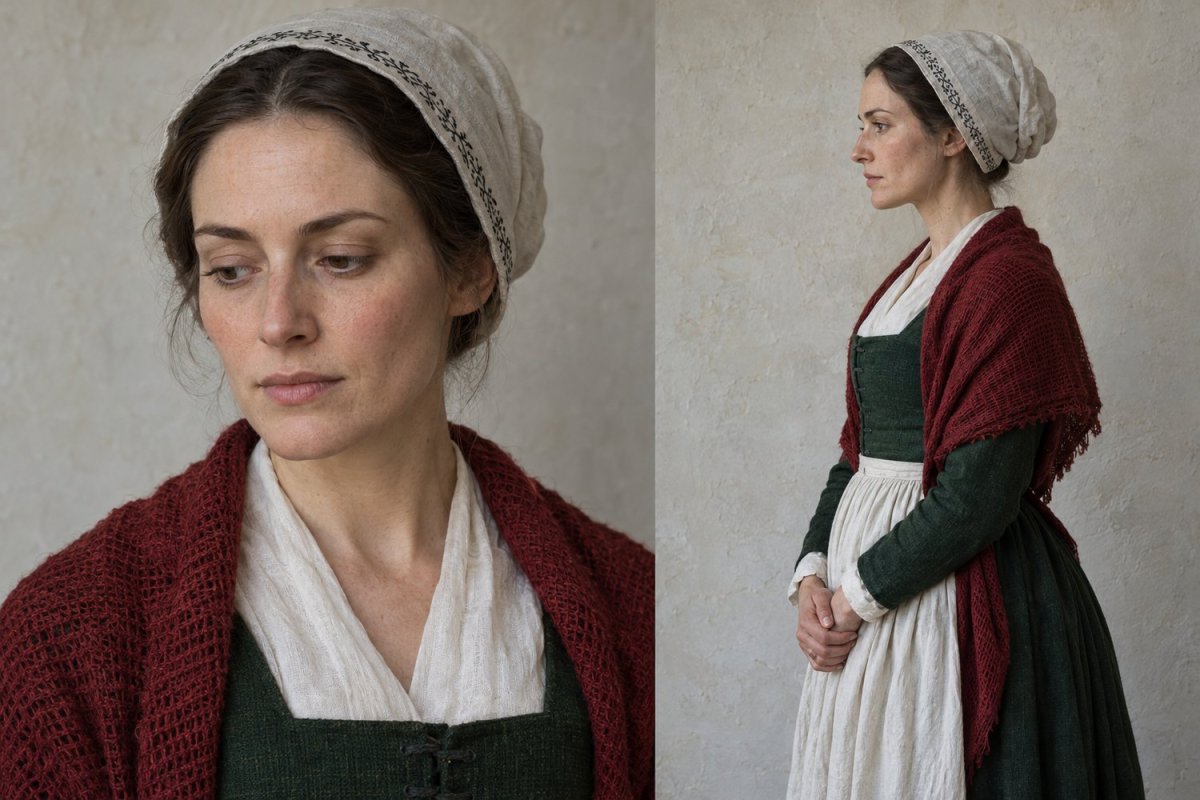
Original embedded illustration from user-supplied DNA Discovery biography, PDF page 48. Page 2 explicitly identifies illustrations as AI-generated with imagined faces. Not an authentic portrait or coordinate source.
Generated illustration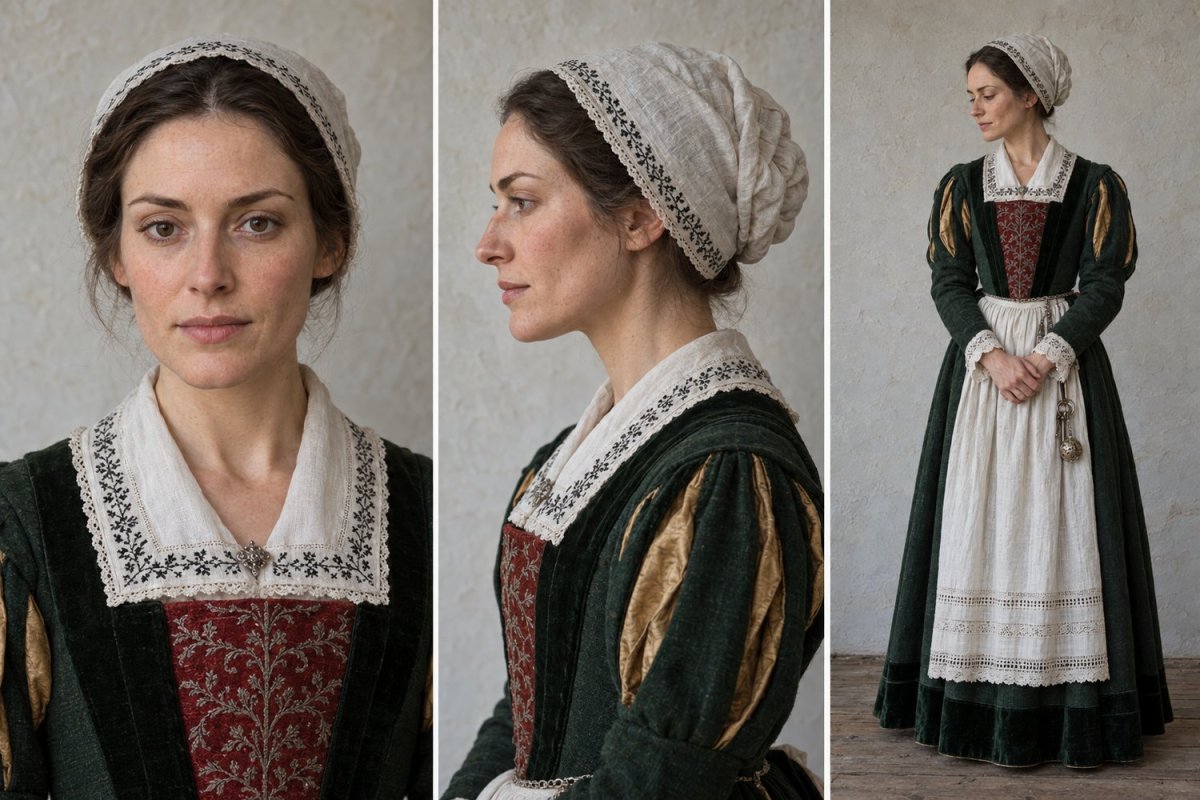
Original embedded illustration from user-supplied DNA Discovery biography, PDF page 49. Page 2 explicitly identifies illustrations as AI-generated with imagined faces. Not an authentic portrait or coordinate source.
Generated illustration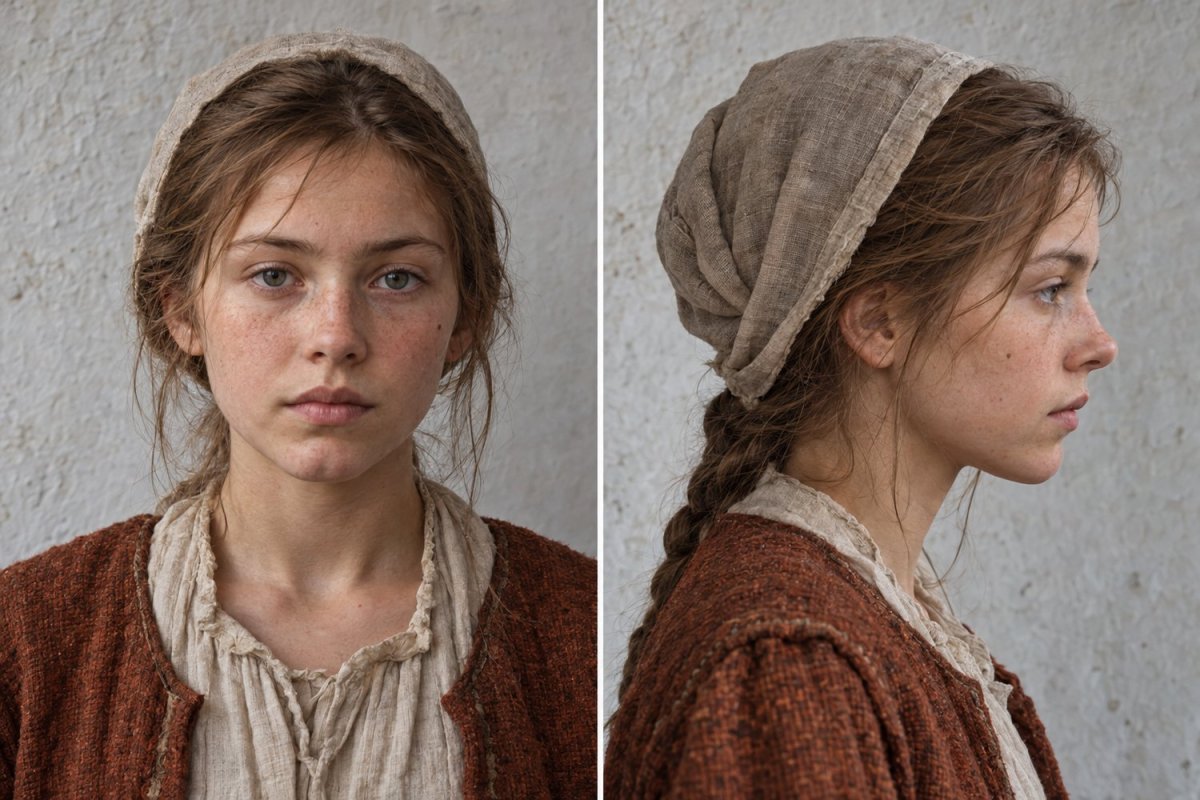
Original embedded illustration from user-supplied DNA Discovery biography, PDF page 49. Page 2 explicitly identifies illustrations as AI-generated with imagined faces. Not an authentic portrait or coordinate source.
Generated illustration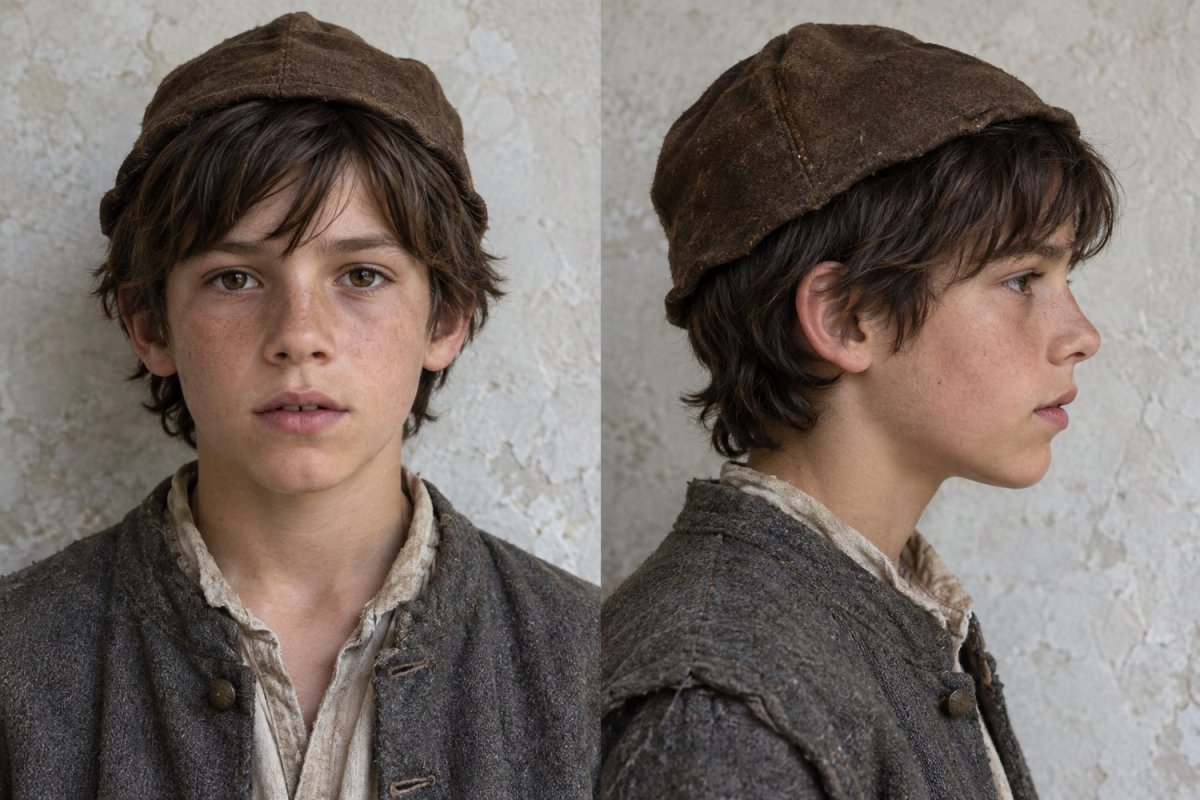
Original embedded illustration from user-supplied DNA Discovery biography, PDF page 50. Page 2 explicitly identifies illustrations as AI-generated with imagined faces. Not an authentic portrait or coordinate source.
Generated illustration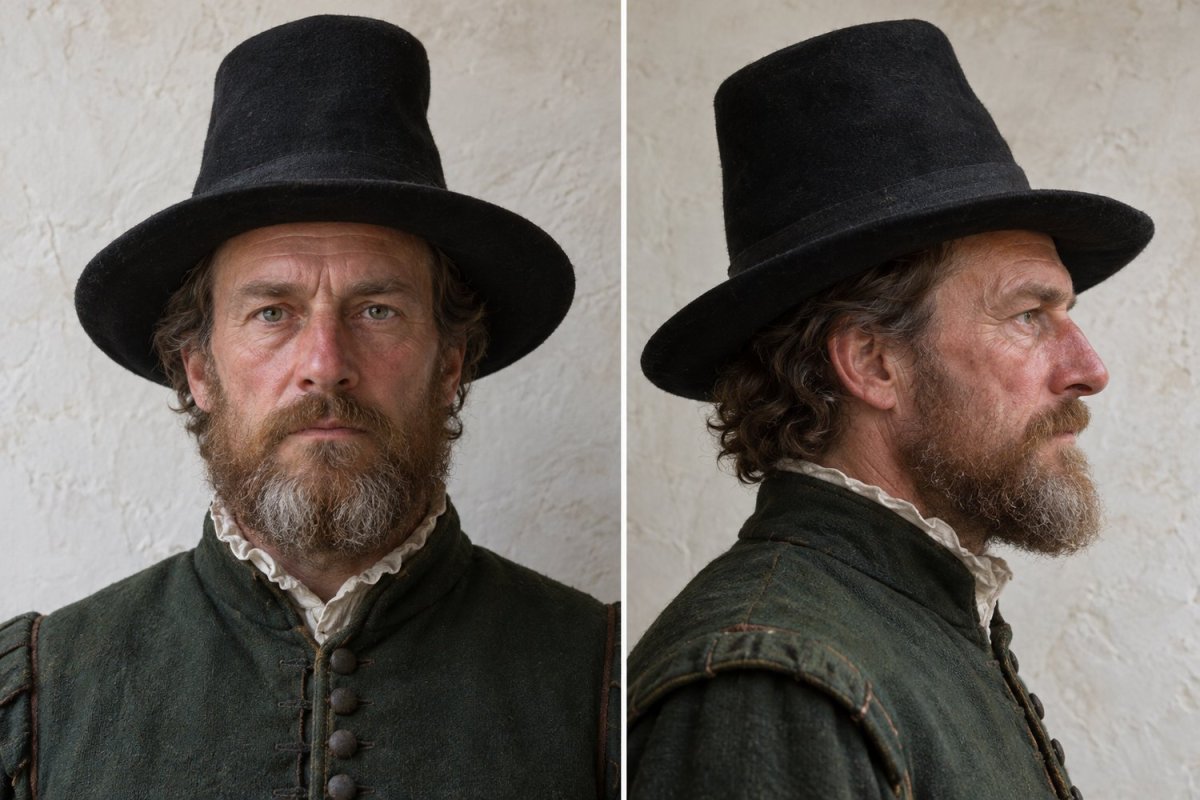
Original embedded illustration from user-supplied DNA Discovery biography, PDF page 50. Page 2 explicitly identifies illustrations as AI-generated with imagined faces. Not an authentic portrait or coordinate source.
Generated illustration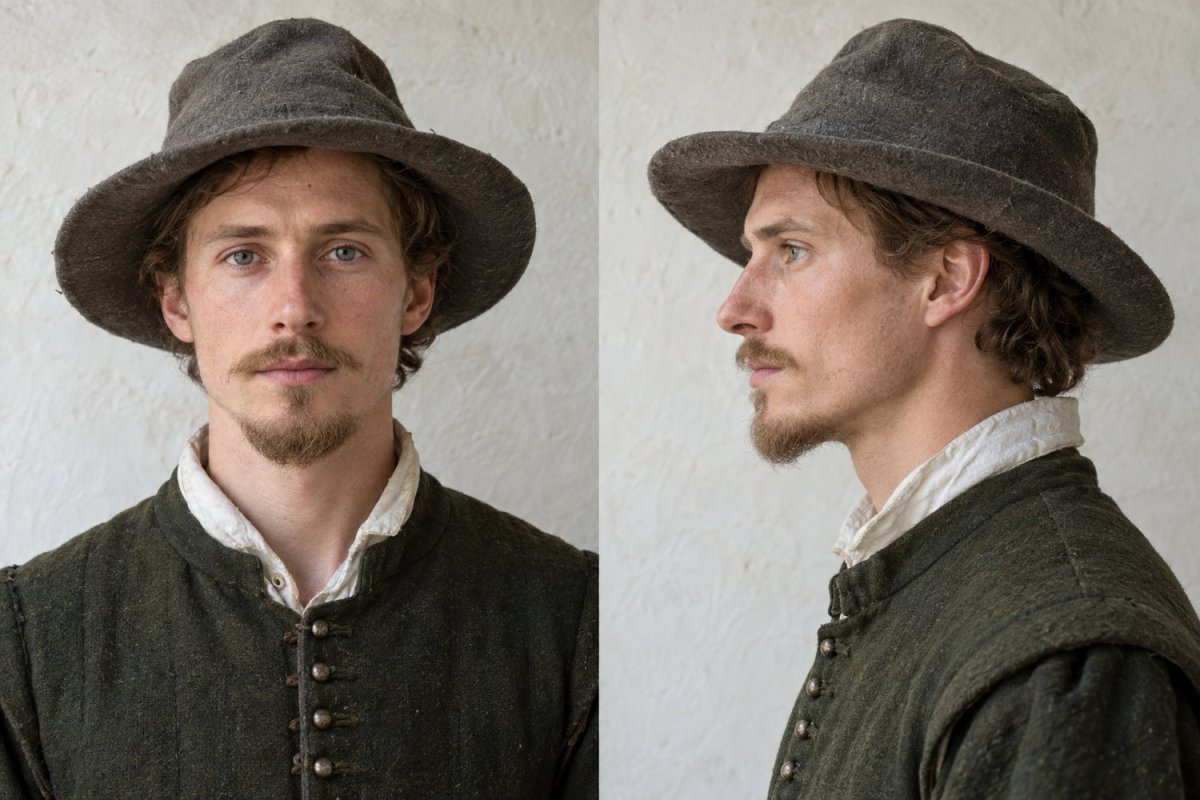
Original embedded illustration from user-supplied DNA Discovery biography, PDF page 51. Page 2 explicitly identifies illustrations as AI-generated with imagined faces. Not an authentic portrait or coordinate source.
Generated illustration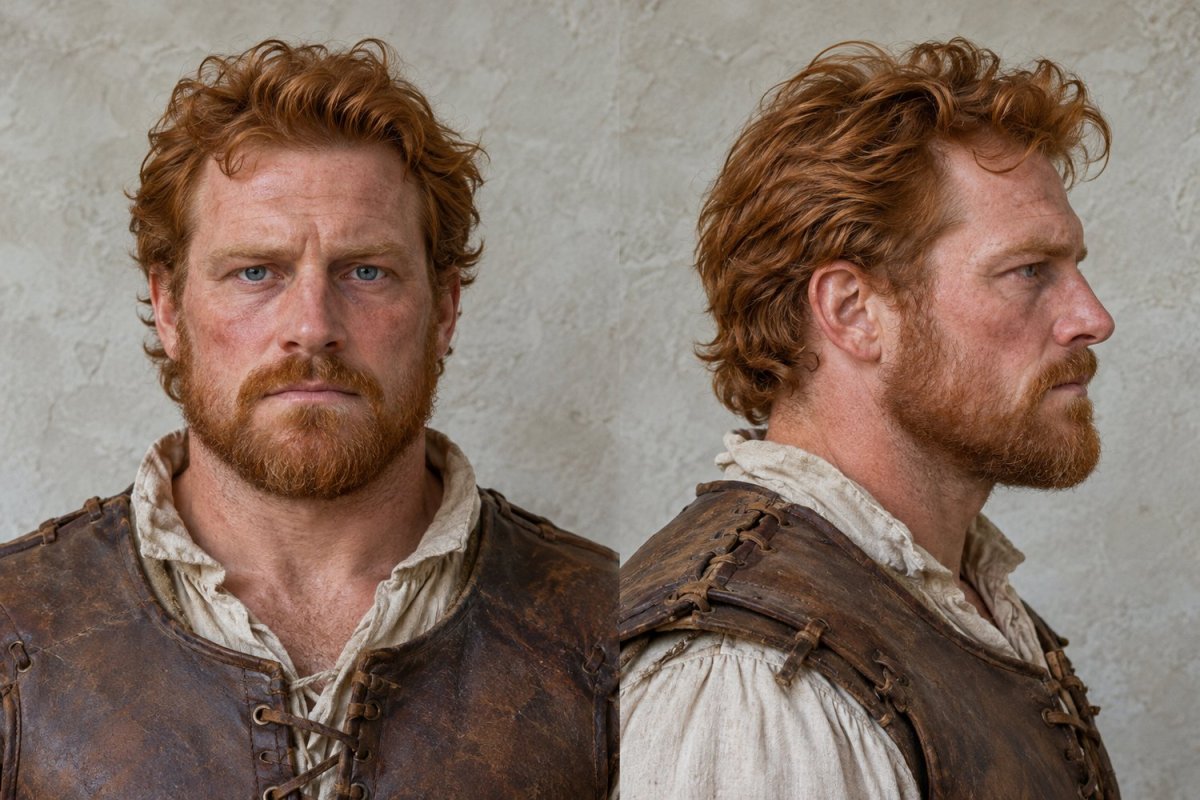
Original embedded illustration from user-supplied DNA Discovery biography, PDF page 51. Page 2 explicitly identifies illustrations as AI-generated with imagined faces. Not an authentic portrait or coordinate source.
Generated illustration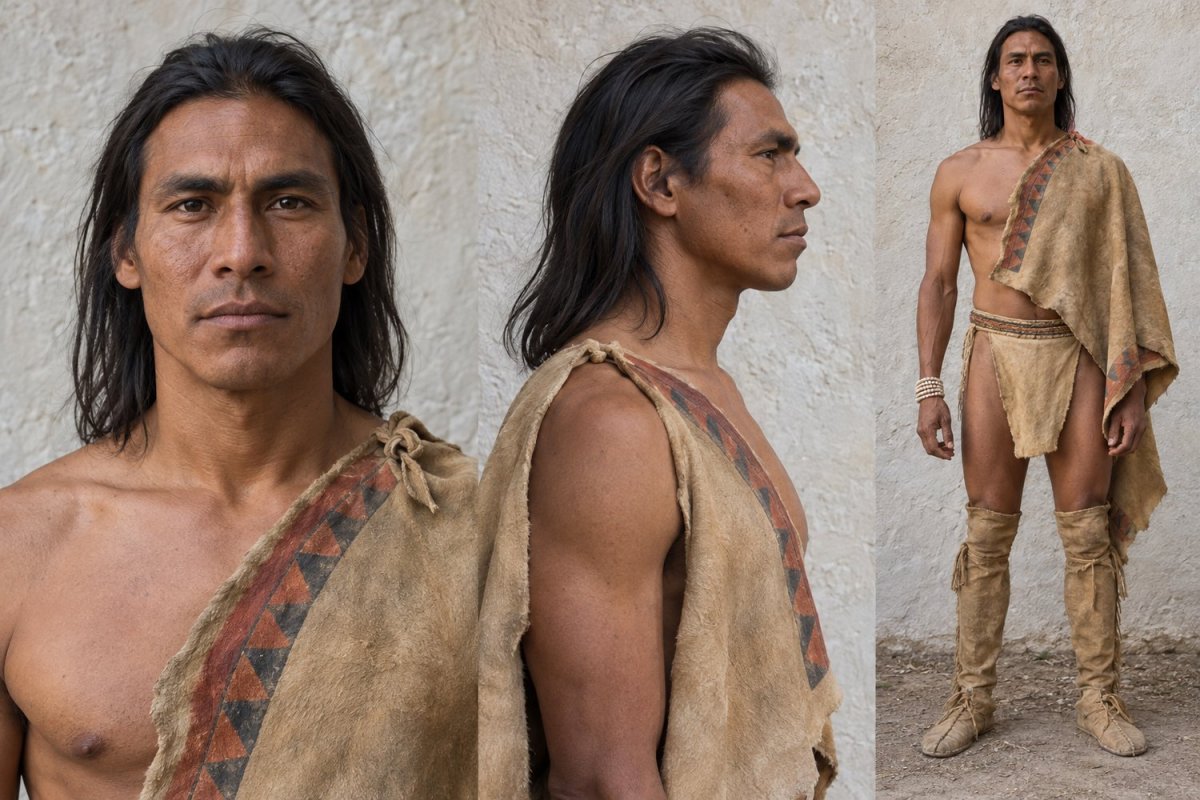
Original embedded illustration from user-supplied DNA Discovery biography, PDF page 52. Page 2 explicitly identifies illustrations as AI-generated with imagined faces. Not an authentic portrait or coordinate source.
Generated illustration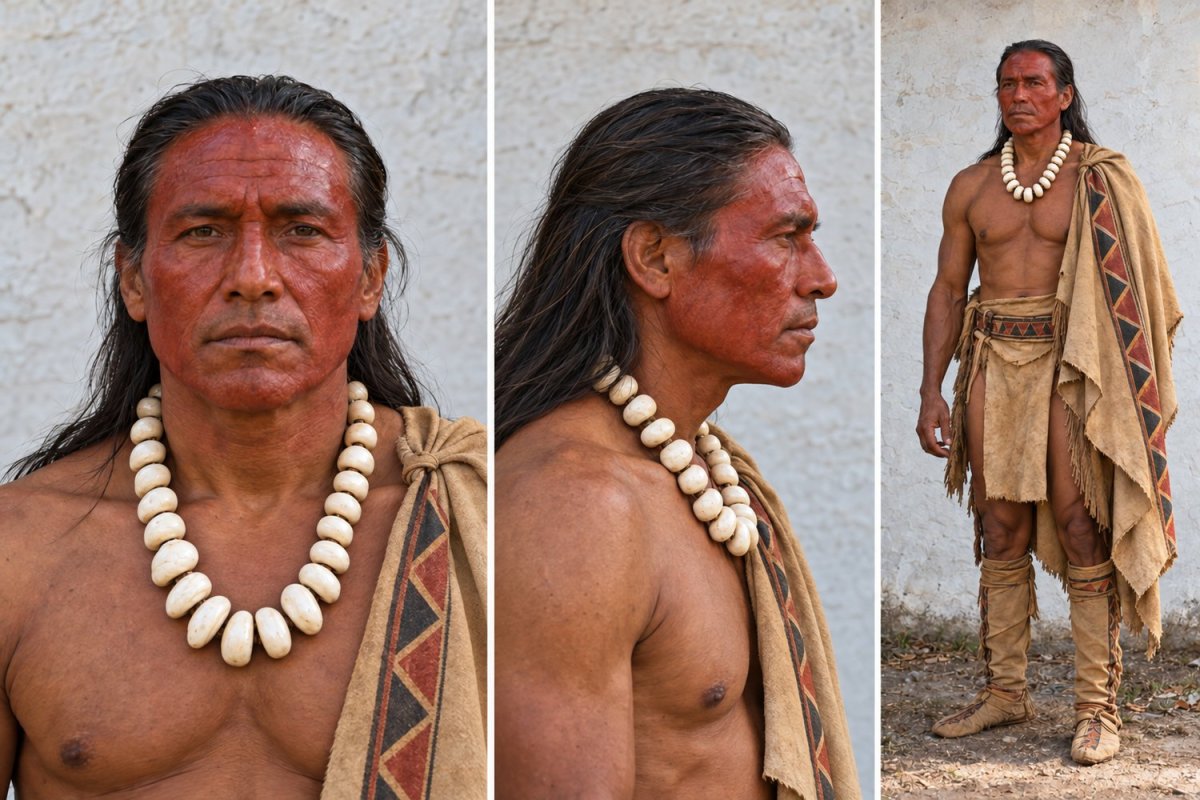
Original embedded illustration from user-supplied DNA Discovery biography, PDF page 52. Page 2 explicitly identifies illustrations as AI-generated with imagined faces. Not an authentic portrait or coordinate source.
Generated illustrationFamily relationships
Children · other parent not recorded
A life in dates
46 events
- Baptism
Baptism of the Stephen Hopkins probably identified with the later colonist; not an exact birth date. Source: An Original Founding Father, pp. 18,54.
Upper Clatford, Hampshire, England
Show on map → - Residence
Hursley household associated with Mary and Joan Kent; lease and manor court evidence described in the compilation. Source: An Original Founding Father, pp. 17–18.
Hursley, Hampshire, England
Show on map → - Departure
Departed aboard Sea Venture in the Virginia relief fleet. Source: An Original Founding Father, pp. 6.
Plymouth, Devon, England, United Kingdom
Show on map → - Storm
Sea Venture encountered an Atlantic storm; precise ship positions unknown. Source: An Original Founding Father, pp. 7–9.
North Atlantic Ocean
Show on map → - Shipwreck
Sea Venture grounded on Bermuda reefs. Region-level location only; no exact wreck position asserted. Source: An Original Founding Father, pp. 7–9.
Bermuda
Show on map → - Trial And Pardon
Death sentence for challenging Gates’s authority, followed by pardon; Strachey account, year reconstructed from sequence. Source: An Original Founding Father, pp. 5,12–13,54.
Bermuda
Show on map → - Departure
Survivors sailed for Virginia in Deliverance and Patience; Hopkins’s particular vessel is not established. Source: An Original Founding Father, pp. 14.
Bermuda
Show on map → - Arrival
Strachey dates arrival 23 May; other accounts give 24 May. Alternative dates, not a two-day stay. Source: An Original Founding Father, pp. 15,54.
Jamestown, Virginia, United States
Show on map → - Departure
Attempted evacuation of Jamestown; intended Newfoundland destination was not reached. Source: An Original Founding Father, pp. 16.
Jamestown, Virginia, United States
Show on map → - Stop
Overnight stop during the attempted evacuation, described for the company. Source: An Original Founding Father, pp. 16.
Hog Island, James River, Virginia, United States
Show on map → - Turnaround
Company turned back after learning of relief; movement associated with Hopkins through the company account. Source: An Original Founding Father, pp. 16.
Mulberry Island, James River, Virginia, United States
Show on map → - Return
Returned with the company following the abandoned evacuation. Source: An Original Founding Father, pp. 16.
Jamestown, Virginia, United States
Show on map → - Marriage
Married Elizabeth Fisher, recorded 19 February 1617/18 Old Style; year normalized, day not converted to Gregorian. Source: An Original Founding Father, pp. 19,54.
St Mary Matfelon, Whitechapel, London, England, United Kingdom
Show on map → - Voyage Stop
Mayflower and Speedwell returned to Dartmouth during failed initial departure attempts; exact day not supplied here. Source: An Original Founding Father, pp. 19–20.
Dartmouth, Devon, England
Show on map → - Departure
Final Mayflower departure for America with Hopkins household and servants. Source: An Original Founding Father, pp. 19–20.
Plymouth, Devon, England, United Kingdom
Show on map → - Family Event At Sea
Oceanus born during the crossing. Hopkins aboard; exact birth day and ship position unknown. Source: An Original Founding Father, pp. 19–20,38–39.
North Atlantic Ocean
Show on map → - Compact
Signed the Mayflower Compact aboard ship at Cape Cod; Old Style date, 21 November Gregorian. Source: An Original Founding Father, pp. 20–21.
Cape Cod, Massachusetts, United States
Show on map → - Exploration
Joined Standish’s exploratory party and offered advice. Source: An Original Founding Father, pp. 26.
Cape Cod, Massachusetts, United States
Show on map → - Residence
First winter at Plymouth; no Hopkins household death recorded during that winter. Source: An Original Founding Father, pp. 28–29.
Plymouth (Patuxet), Massachusetts, United States
Show on map → - Exploration
Named member of the coastal expedition with Edward Doty. Specific First Encounter participation is qualified in the source notes. Source: An Original Founding Father, pp. 26–28,55.
Cape Cod, Massachusetts, United States
Show on map → - Diplomatic Stop
Outbound visit to Nemasket en route to Pokanoket; exact day unresolved because departure dates conflict. Source: An Original Founding Father, pp. 31–32,55.
Nemasket, Wampanoag country, Massachusetts, United States
Show on map → - Diplomatic Visit
Met Ousamequin (Massasoit) with Winslow and Tisquantum. Exact site and dates unresolved; territory is not an exact residence coordinate. Source: An Original Founding Father, pp. 32–33,55.
Pokanoket, Wampanoag country, Rhode Island, United States
Show on map → - Diplomatic Return
Returned from Pokanoket with Tokamahamon as guide. Unnamed weir and crossings remain unresolved. Source: An Original Founding Father, pp. 33,55.
Plymouth (Patuxet), Massachusetts, United States
Show on map → - Connection to this place
Probable harvest gathering attendance — Plymouth (Patuxet), Massachusetts.
Plymouth (Patuxet), Massachusetts, United States
Show on map → - Connection to this place
Probable unnamed river crossings and weir — Titicut fishing stop.
Titicut fishing stop, Massachusetts, United States
Show on map → - Attempted Parley
Attempted contact with Standish; day inferred from narrative sequence. Source: An Original Founding Father, pp. 29,55.
Plymouth (Patuxet), Massachusetts, United States
Show on map → - Hospitality
Samoset lodged at Hopkins’s house on the night of his first recorded Plymouth visit. Source: An Original Founding Father, pp. 29–30.
Plymouth (Patuxet), Massachusetts, United States
Show on map → - Diplomatic Departure
Hopkins and Winslow departed with Tisquantum; Mourt gives 10 June, Bradford 2 July. Neither date silently preferred. Source: An Original Founding Father, pp. 31–33,55.
Plymouth (Patuxet), Massachusetts, United States
Show on map → - Household Court Event
Servants Doty and Leister fought a duel; Hopkins requested release after punishment. No fixed temporal relation to diplomatic return asserted. Source: An Original Founding Father, pp. 34.
Plymouth (Patuxet), Massachusetts, United States
Show on map → - Land Division
Received land south of the brook in Plymouth’s land division. Source: An Original Founding Father, pp. 37.
Plymouth (Patuxet), Massachusetts, United States
Show on map → - Cattle Division
Headed the seventh lot, comprising thirteen people. Source: An Original Founding Father, pp. 37.
Plymouth (Patuxet), Massachusetts, United States
Show on map → - Public Office
Elected assistant as dated in the compilation; served through 1636. Original calendar convention needs checking before Gregorian conversion. Source: An Original Founding Father, pp. 37.
Plymouth (Patuxet), Massachusetts, United States
Show on map → - Court
Fined for beating John Tisdale and ordered to pay compensation. Source: An Original Founding Father, pp. 37.
Plymouth (Patuxet), Massachusetts, United States
Show on map → - Court
Excessive drinking case, dated January 1636/7; January-based year normalized. Source: An Original Founding Father, pp. 37.
Plymouth (Patuxet), Massachusetts, United States
Show on map → - Military Volunteer
Volunteered for land service concerning the Pequot War. Does not establish combat or presence in Connecticut. Source: An Original Founding Father, pp. 37.
Plymouth (Patuxet), Massachusetts, United States
Show on map → - Court
Fine for Sunday drinking and shovelboard. Source: An Original Founding Father, pp. 37.
Plymouth (Patuxet), Massachusetts, United States
Show on map → - Court
Dorothy Temple support dispute led to imprisonment for contempt; source dates February 1637/8. Source: An Original Founding Father, pp. 37–38.
Plymouth (Patuxet), Massachusetts, United States
Show on map → - Court Agreement
Paid John Holmes £3 in agreement transferring Dorothy Temple’s service; source dates February 1637/8. Source: An Original Founding Father, pp. 37–38.
Plymouth (Patuxet), Massachusetts, United States
Show on map → - Court
Case concerning excessive beer and wine prices. Source: An Original Founding Father, pp. 37.
Plymouth (Patuxet), Massachusetts, United States
Show on map → - Court
Case concerning overcharging for wine, beer, liquor and nutmegs. Source: An Original Founding Father, pp. 37.
Plymouth (Patuxet), Massachusetts, United States
Show on map → - Court
Fine concerning unlicensed liquor and the price of a looking glass. Source: An Original Founding Father, pp. 37.
Plymouth (Patuxet), Massachusetts, United States
Show on map → - Will
Made will naming Caleb executor and Standish supervisor; witnessed by Standish and Bradford; requested burial near deceased wife. Source: An Original Founding Father, pp. 40–41.
Plymouth (Patuxet), Massachusetts, United States
Show on map → - Death
Death bounded by will and inventory. Exact day and burial site unknown. Source: An Original Founding Father, pp. 40–41,55.
Plymouth (Patuxet), Massachusetts, United States
Show on map → - Estate Inventory
Posthumous inventory of possessions. This is an estate event, not evidence of living presence. Source: An Original Founding Father, pp. 41.
Plymouth (Patuxet), Massachusetts, United States
Show on map → - Probate
Court accepted the will. Posthumous estate event, not personal travel. Source: An Original Founding Father, pp. 41.
Plymouth (Patuxet), Massachusetts, United States
Show on map → - Connection to this place
Leyden Street household and ordinary — Plymouth (Patuxet), Massachusetts.
Plymouth (Patuxet), Massachusetts, United States
Show on map →
Notes & sources
Family records
- Pilgrim Hall Museum: Stephen Hopkins
- Family history notes