Places in their life
Explore recorded events and connections, place by place.
Places will load as you reach this section.
Explore places & events
Town and regional markers represent an area. Each record describes the connection to that place.
The life of Benjamin Garfield
Biography
Life summary. Benjamin Garfield combined family estate responsibilities with public service at Watertown. An executor, constable, tithingman and later representative, he helped administer property, taxes and local duties while raising a family through bereavement and remarriage. He died in 1717.
Benjamin Garfield served Watertown through the practical work of settling estates, collecting taxes and administering local laws. His father’s will entrusted him with obligations to several households; later town appointments made him responsible for public business as well. 603-1603-2603-3
Benjamin was a son of Edward Garfield and Rebecca. His birth around 1643 is inferred from the age given at his death. Watertown, west of Boston in present-day Massachusetts, was an agricultural community whose households depended on fields, meadow, livestock and rights of access. His father’s holdings and testamentary provisions belonged to that economy, and Benjamin was given responsibility for their settlement as executor of Edward’s 1668 will. 603-1603-2603-4
That appointment required more than distributing land. Edward had provided for Joan, his later wife, through crop payments, a cow, a furnished room and temporary household maintenance. Children’s portions differed according to previous gifts and conditions such as marriage. Benjamin’s task was to carry out a settlement whose obligations continued beyond the immediate death and funeral. 603-2
In June 1674 he also took part in an inquiry into the deaths of John Lawrence and James Smith, two boys run over by a load of bricks. The court-file abstract names Benjamin as a witness and among the signers of the inquest. 603-1
His own household suffered a loss the following year. Mehitable Hawkins, his first wife and the mother of sons Benjamin and Benoni, died on December 9, 1675, five days after Benoni’s birth. The interval makes a childbirth connection plausible but does not establish a medical cause. Benjamin later married Elizabeth Bridge and had further children. His household responsibilities therefore developed alongside the estate and civic duties recorded in these years. 603-1603-3
On July 18, 1677, Benjamin and John Bright, serving as constables, were entrusted with six single war rates—tax assessments totaling £236 7s 9d. The entry places wartime revenue collection among Benjamin’s duties. 603-3
On January 5, 1679/80, Benjamin was among fifteen men sworn as tithingmen. A 1677 enactment gave these officers, together with selectmen and constables, responsibility for gathering household information about people who had not taken the required oath and returning names to the appropriate authority. At the meeting where he was sworn, Watertown voted to obtain two hundred copies of the laws concerning tithingmen for inhabitants’ use. The appointment connected a particular officer to duties that reached into the town’s households. 603-3603-5
The same meeting continued the schoolmaster and granted a twenty-year exemption from town rates to the new Stony Brook corn mill. Later January entries concerned sheep regulation and supervision of young people during worship. Schooling, productive infrastructure, livestock and conduct all came within local administration. These were among the local priorities surrounding Benjamin’s service. 603-3
Benjamin later represented the town in 1689 and 1692. In his own will of May 1717 he described himself as a yeoman, provided for Elizabeth and his children, and named Samuel executor. He died on November 28, 1717; the town entry called him Captain Benjamin Garfield and gave his age as seventy-four. By naming Samuel executor, he entrusted another generation with the settlement he had planned for his own household. 603-1
Images & documents
Select an image to browse the gallery. Source links open the original records in a new tab.
User-approved person association. Original bytes and source capture retained; portrait authenticity is not inferred.
View source ↗User-approved person association. Original bytes and source capture retained; portrait authenticity is not inferred.
View source ↗User-approved person association. Original bytes and source capture retained; portrait authenticity is not inferred.
View source ↗User-approved person association. Original bytes and source capture retained; portrait authenticity is not inferred.
View source ↗User-approved person association. Original bytes and source capture retained; portrait authenticity is not inferred.
View source ↗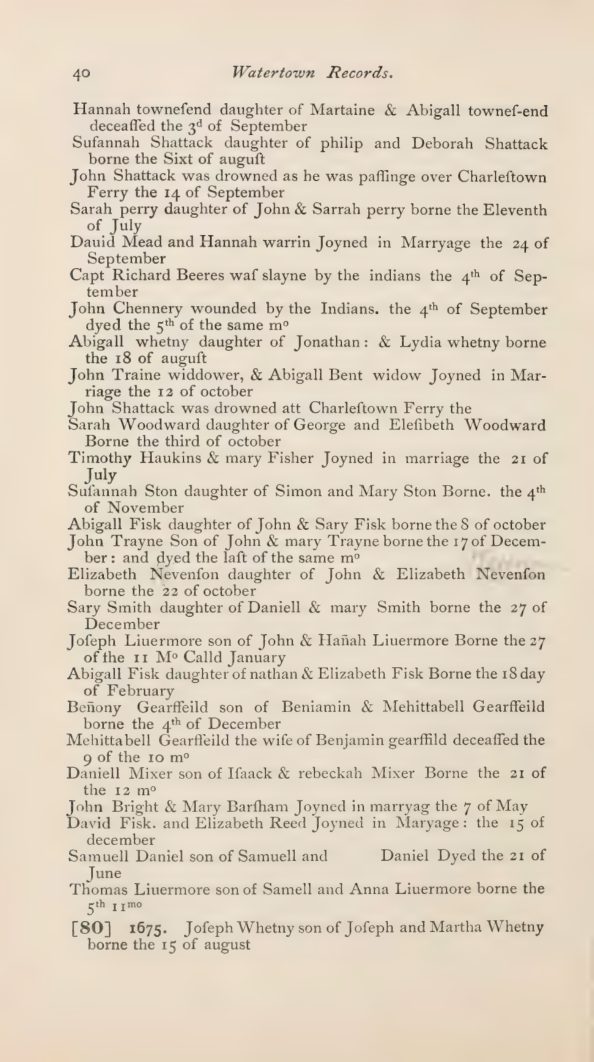
Watertown Records (1894), saved public-domain scan; upstream item watertownrecords 01 wate
View source ↗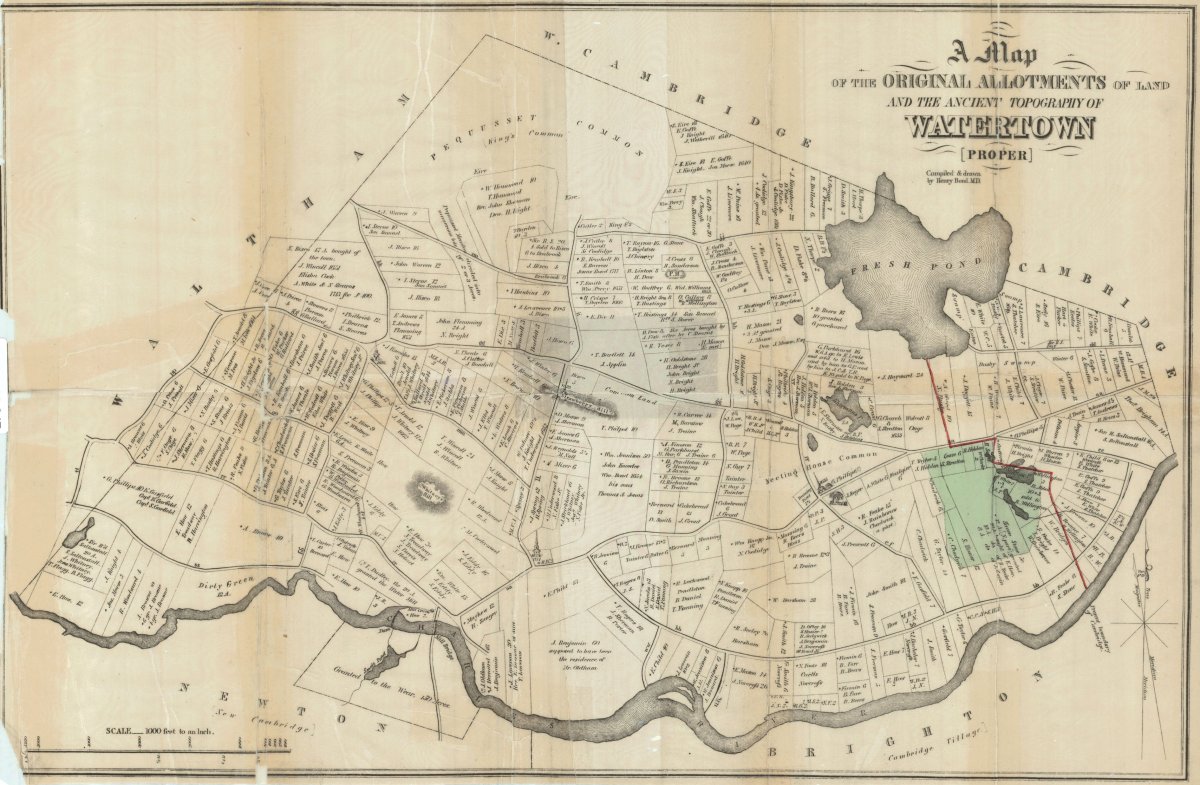
Birmingham Public Library, p15099coll3:746
View source ↗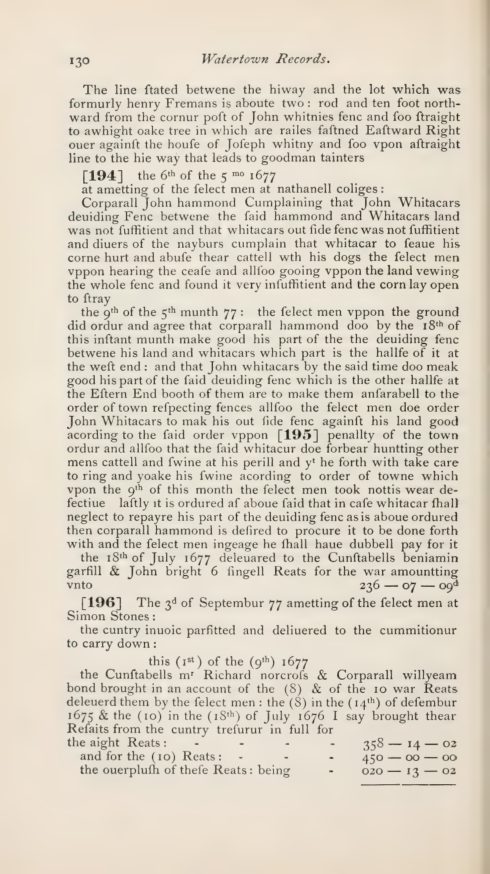
Watertown Records (1894), public-domain scan, Internet Archive
View source ↗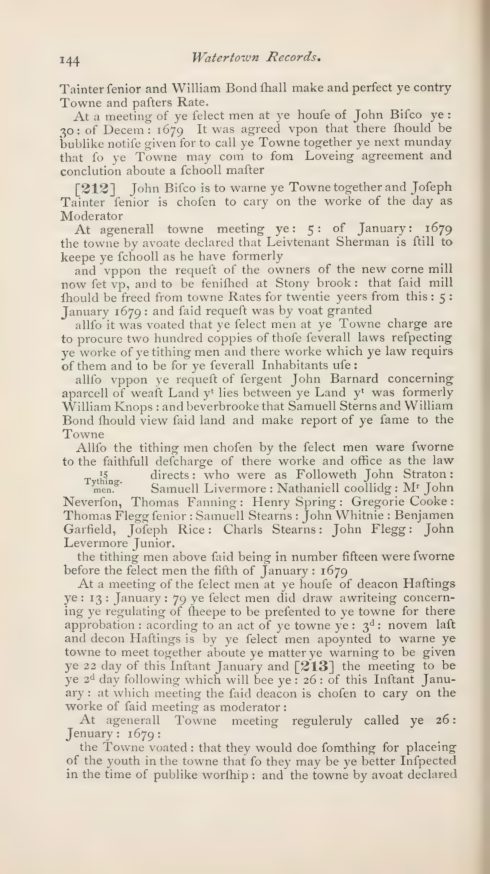
Watertown Records (1894), public-domain scan, Internet Archive
View source ↗Family relationships
Parents
Children with Mehitable Hawkins Garfield
A life in dates
7 events
- Inquest
Named as witness and signer in a court-file abstract concerning two boys killed beneath a load of bricks.
Watertown, Middlesex, Massachusetts
Show on map → - Civic Finance
Benjamin Garfield and John Bright, constables, were entrusted with six single war rates totaling £236 7 s 9 d.
Watertown, Middlesex, Massachusetts
Show on map → - Public Office
The account records Benjamin as a representative in 1689 and again in 1692.
Boston, Massachusetts, United States
Show on map → - Connection to this place
Burial association — Grove Hill burial ground.
Grove Hill burial ground
Show on map → - Connection to this place
Household, inquest and death — Watertown, Middlesex, Massachusetts.
Watertown, Middlesex, Massachusetts
Show on map → - Connection to this place
Probable legislative attendance — Boston, Massachusetts.
Boston, Massachusetts, United States
Show on map → - Civic Office
Benjamin Garfield was among fifteen men sworn as tithingmen; the town also voted to obtain 200 copies of the relevant laws.
Watertown, Middlesex, Massachusetts
Show on map →
More about this person
Other names
Benjamin Garfield (c.1643–1717)
Notes & sources
- 603-1
Benjamin Garfield, WeRelate, record-specific 1674 inquest and 1717 will abstracts, death entry and representative service; incompatible older two-Edward genealogy excluded.
Back to biography - 603-2
Edward G. Porter, “Concerning President Garfield’s Ancestry,” Proceedings of the Massachusetts Historical Society 19 (1882), pp 93–94, will of December 30, 1668, transcribed on WeRelate. Identity follows the attributed Anderson reconstruction on that page, not its incompatible older genealogy.
Back to biography - 603-3
Watertown Records, vol. 1 (1894), separately paginated sections: town proceedings, pp. 130, 144; vital records, pp. 39–40.
Back to biography - 603-4
Massachusetts Historical Commission, Watertown reconnaissance survey (1980), printed pp 2–3, settlement and economy. General setting, not evidence of individual activities.
Back to biography - 603-5
Charles Evans, Oaths of Allegiance in Colonial New England (1922), pp 44–45, transcribing October 10, 1677 legislation. One statutory duty, not a personal enforcement record.
Back to biography
Family records
- DNA consolidated biography and timeline evidence and decisions
- Location evidence: person 603
- Watertown records — Benjamin Garfield and Mehitable Hawkins family
- Robert Charles Anderson — English Origin of Edward Garfield of Watertown, Massachusetts