Places in their life
Explore recorded events and connections, place by place.
Places will load as you reach this section.
Explore places & events
Town and regional markers represent an area. Each record describes the connection to that place.
The life of Nicolas Plante
Biography
Nicolas Plante was probably born around 1587. The basis for this estimate is unusually tangible: a published transcription records his burial on 21 May 1647 and describes him as approximately sixty. Roger Plante printed the wording in January 1986, explaining that a certificate had been obtained from La Rochelle’s old municipal archives on 20 May 1963. The text is a transmitted archival extract, rather than a photograph of the original parish page, but it gives the age estimate an identifiable foundation. [N8]
Nicolas was therefore probably about fourteen years older than Isabelle. If their son Jean was born around 1621–1626, Nicolas would have been in his thirties. Those estimates fit a household established by the early seventeenth century. They do not identify Nicolas’s childhood, apprenticeship or earlier movements. Laleu anchors his known family life and burial; it has not been independently established as his birthplace by a baptism. [N3; N8]
The reported vineyards offer the clearest indication of the family’s economic circumstances. The association describes three parcels at La Guyarde, within the jurisdiction of Laleu. Two were measured as one quartier each, and the third as one casseron. These are historical measures of vineyard land. They describe the holdings without revealing their harvests or the family’s income. [N5]
Vineyard interests could be worked directly, leased to others, maintained with hired labor or combined with another livelihood. The account’s description of the couple as cultivators favors direct involvement in agriculture, but does not establish Nicolas’s formal occupational title or exclude other work. It is reasonable to understand the family as connected to vine cultivation. The available evidence does not establish what he sold or to whom. [N5]
The distinction becomes clearer in contemporary evidence from the same locality. Guy Perron’s study of the notary Jean Cherbonnier describes vineyard interests in the seigneurie of Laleu and a parcel that had gone without cultivation or pruning for six years. Another property in the surrounding region combined vines and arable land with buildings, cellars and a winepress site. These were other people’s holdings. They show why ownership involved continuing decisions about labor, maintenance and use; land was an asset that could also deteriorate. [N9]
For Nicolas, the reported parcels suggest an enduring interest in productive land. Yet landholding alone cannot show how comfortably a family lived. Harvests, debts and the terms under which land was held would all affect its value to a household. Those details, together with the couple’s tools, stores and other possessions, remain to be recovered. [N5; N9]
Nicolas’s final years included the death of Isabelle. Their burials were separated by about fifteen months. The usual reading of that sequence is that he survived her by a little over a year; the exact interval between their deaths remains unknown. If Jacques belonged to their household, as the genealogical accounts indicate, a young child was still alive during this period. Nicolas’s own burial in May 1647 would then have left that child without either parent. Someone must have supplied care if the child survived, but the available evidence does not identify a guardian or the household that took responsibility. [N6–N8]
No cause of death is established for either spouse. His last documentary anchor remains Saint-Pierre de Laleu, the same parish associated with Isabelle’s burial. Their son’s Canadian story was still ahead in the surviving record: Jean’s marriage there took place more than three years after Nicolas was buried. [N1; N8]
During the couple’s adult lifetimes, the region experienced the royal siege of La Rochelle in 1627–1628. Louis XIII’s government and Cardinal Richelieu confronted a fortified Protestant city whose political position, maritime connections and English support made it a challenge to royal authority. Landward works and a blockade at sea brought the port and its surrounding countryside into the conflict. [N10]
The siege belongs in their story because of geography and chronology. If Nicolas and Isabelle were already living at Laleu, disruption of transport, markets and access to agricultural land would have been a plausible concern. Their continuous presence during the siege is not documented, however. Neither their participation nor a specific loss, flight or experience of hunger can be reconstructed from the regional event alone. The strongest conclusion is that the village in which their family is later located belonged to a landscape profoundly affected by the conflict. [N10]
The village also existed within a network of institutions whose records preserve different aspects of family life. Parish records anchored births, marriages and burials in a community. Notarial acts could preserve property rights and authorize transactions between people who could not appear together. In this family’s case, the parish tradition supplies the parents’ burial identities, while the reported notarial transaction opens a view into what happened to their property afterward. [N2; N7–N8]
Domestic life is harder to recover. Louis Le Nain’s painting Famille de paysans, dated about 1642, offers a nearly contemporary representation of adults and children gathered around bread, wine and household vessels. The Louvre cautions against treating its figures as a precisely identified social or regional group. It can help a reader look at seventeenth-century material life, but its interior is an artist’s composition, not a reconstruction of Isabelle and Nicolas’s home. [N12]
Images & documents
Select an image to browse the gallery. Source links open the original records in a new tab.
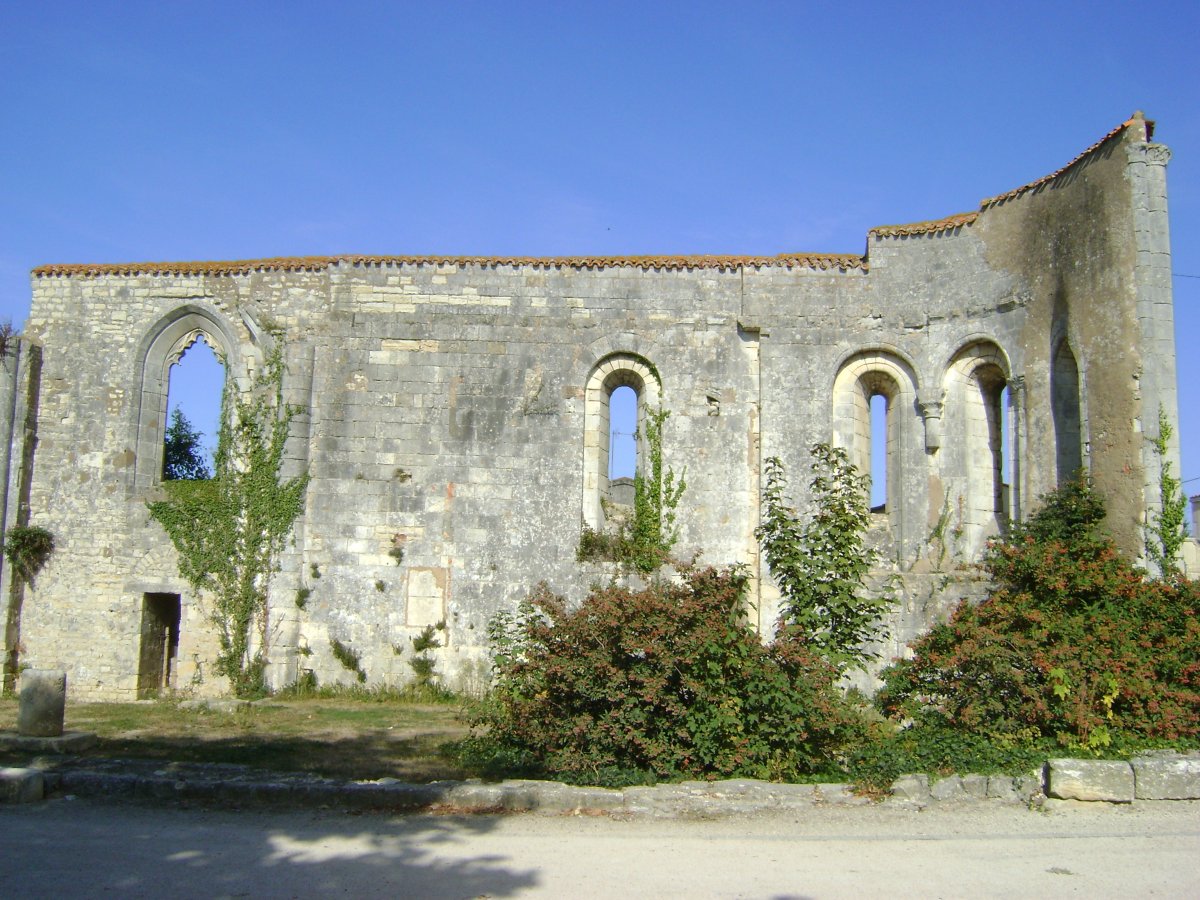
Saint-Pierre de Laleu: contextual gallery lead | 2009-10-03 | Guiguilacagouille | CC BY-SA 3.0 | https://creativecommons.org/licenses/by-sa/3.0/
View source ↗
A documentary anchor for Nicolas | 1647 text; 1963 certificate; 1986 publication | 1647 parish text; transcription published by Roger Plante / Société de généalogie de Québec | Underlying historical wording public domain; short printed documentary excerpt. No blanket open license for the 1986 journal is established.
View source ↗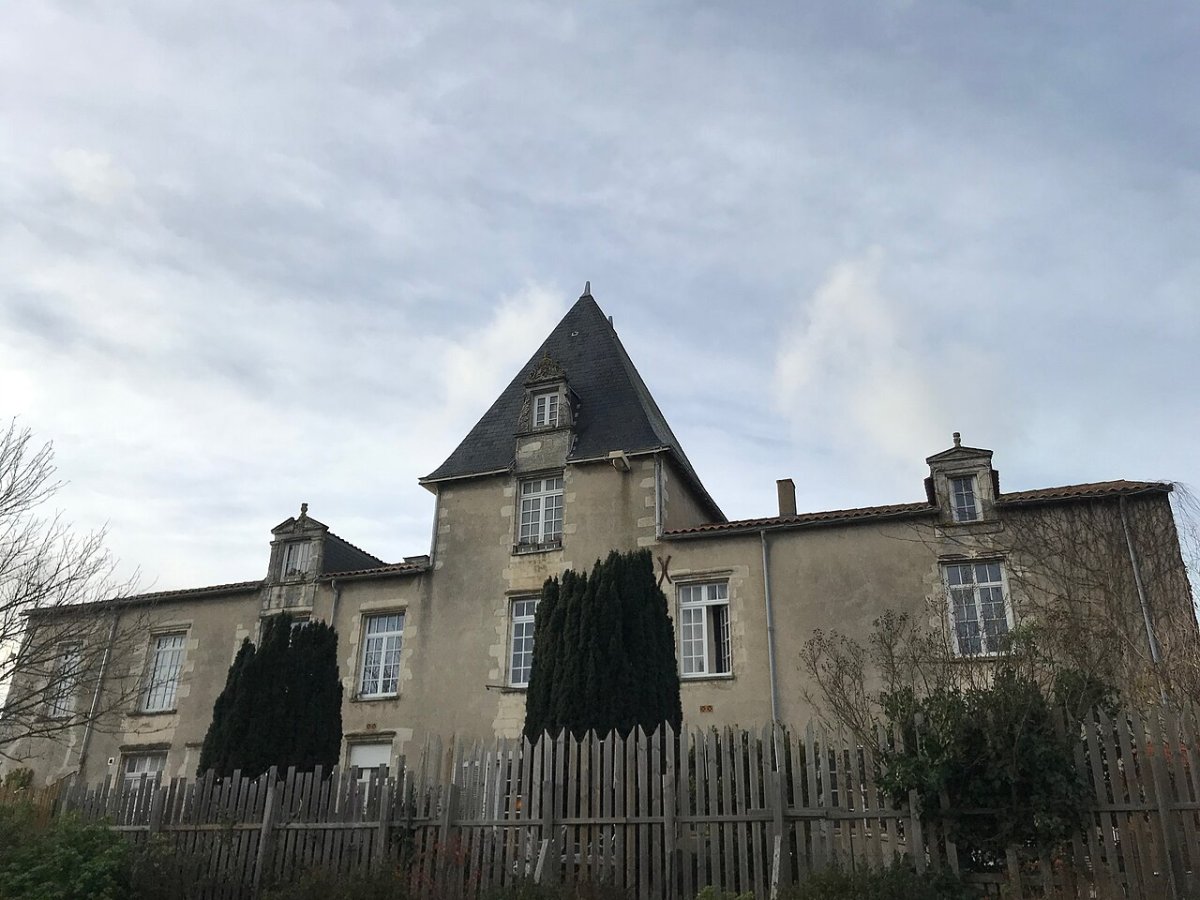
The seigneurial landscape | 2020-12-20 | Pertuisallionis | CC BY-SA 4.0 | https://creativecommons.org/licenses/by-sa/4.0/
View source ↗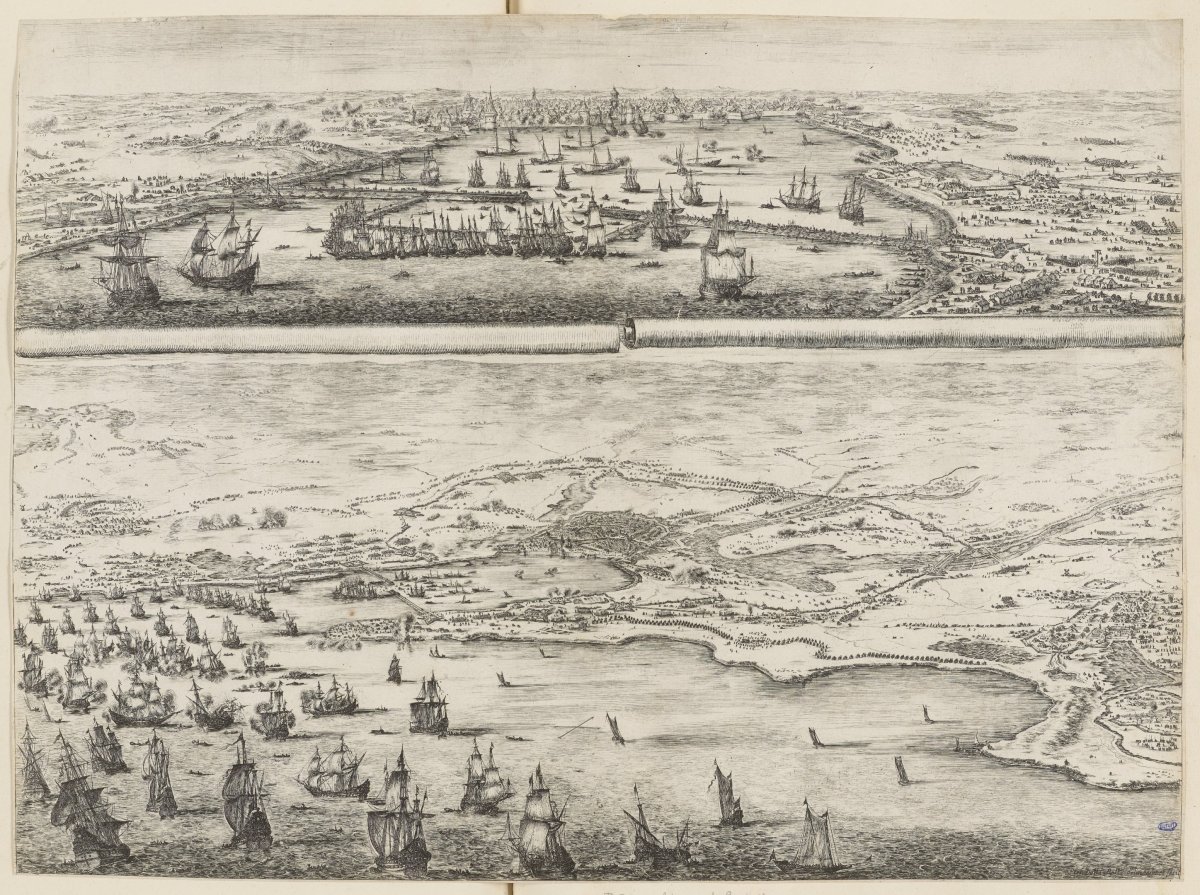
A seventeenth-century coastal and siege landscape | 17th century; represents siege-era events | Stefano Della Bella; CC0 Paris Musées / Petit Palais, musée des Beaux-Arts de la Ville de Paris; GDUT3429 | CC0 | https://creativecommons.org/publicdomain/zero/1.0/
View source ↗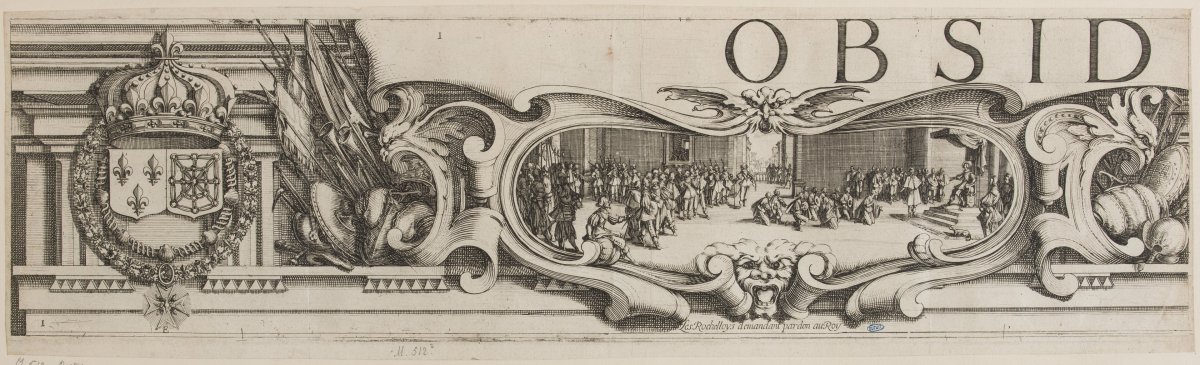
Royal victory represented in period art | 1629–1630 | Jacques Callot; CC0 Paris Musées / Petit Palais, musée des Beaux-Arts de la Ville de Paris; GDUT1198 | CC0 | https://creativecommons.org/publicdomain/zero/1.0/
View source ↗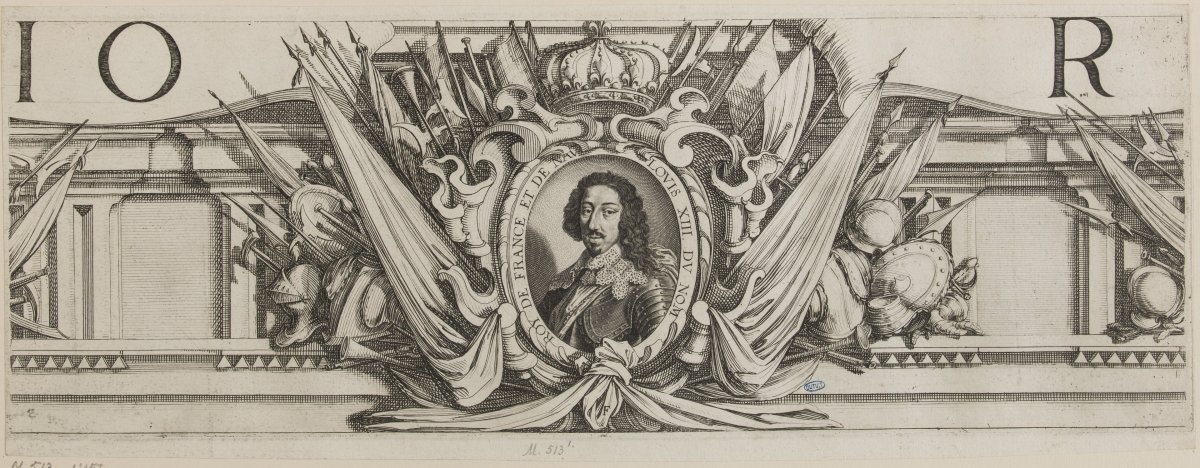
A contextual portrait — Louis XIII | 1629–1630 | Jacques Callot; CC0 Paris Musées / Petit Palais, musée des Beaux-Arts de la Ville de Paris; GDUT1199 | CC0 | https://creativecommons.org/publicdomain/zero/1.0/
View source ↗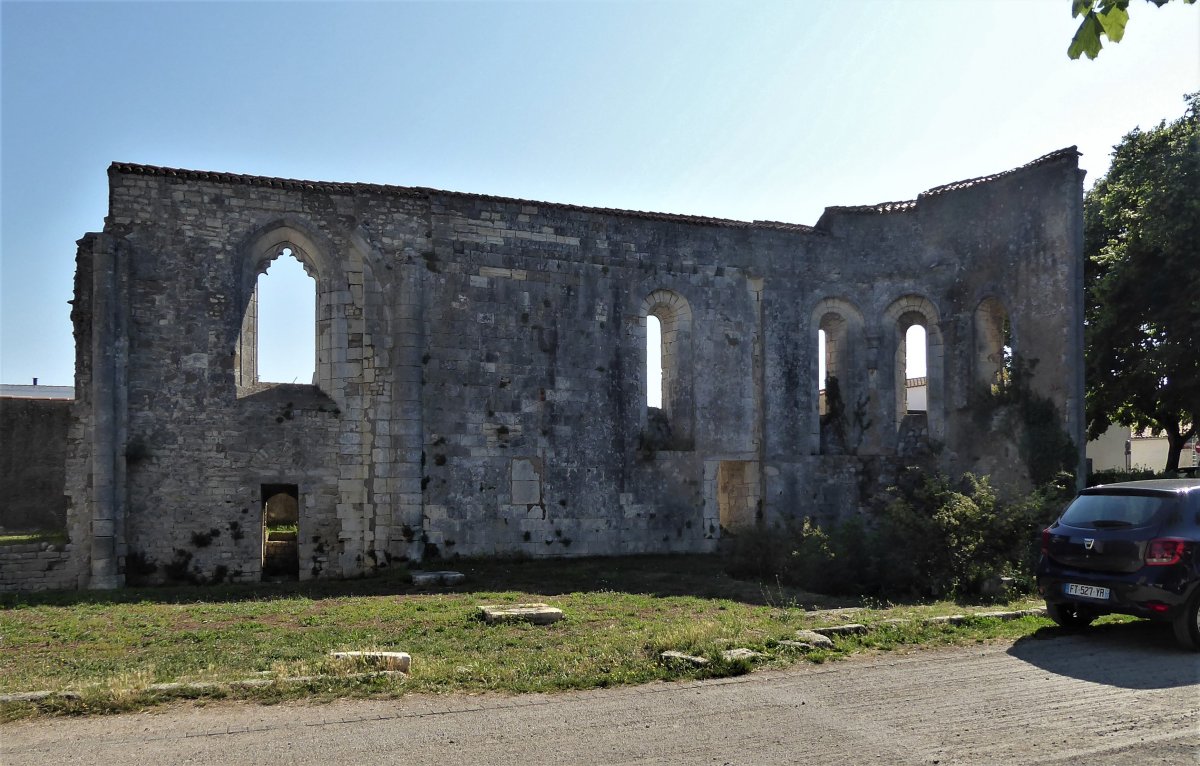
Alternative parish photograph | 2023-06-25 | Chris06 | CC BY-SA 4.0 | https://creativecommons.org/licenses/by-sa/4.0/
View source ↗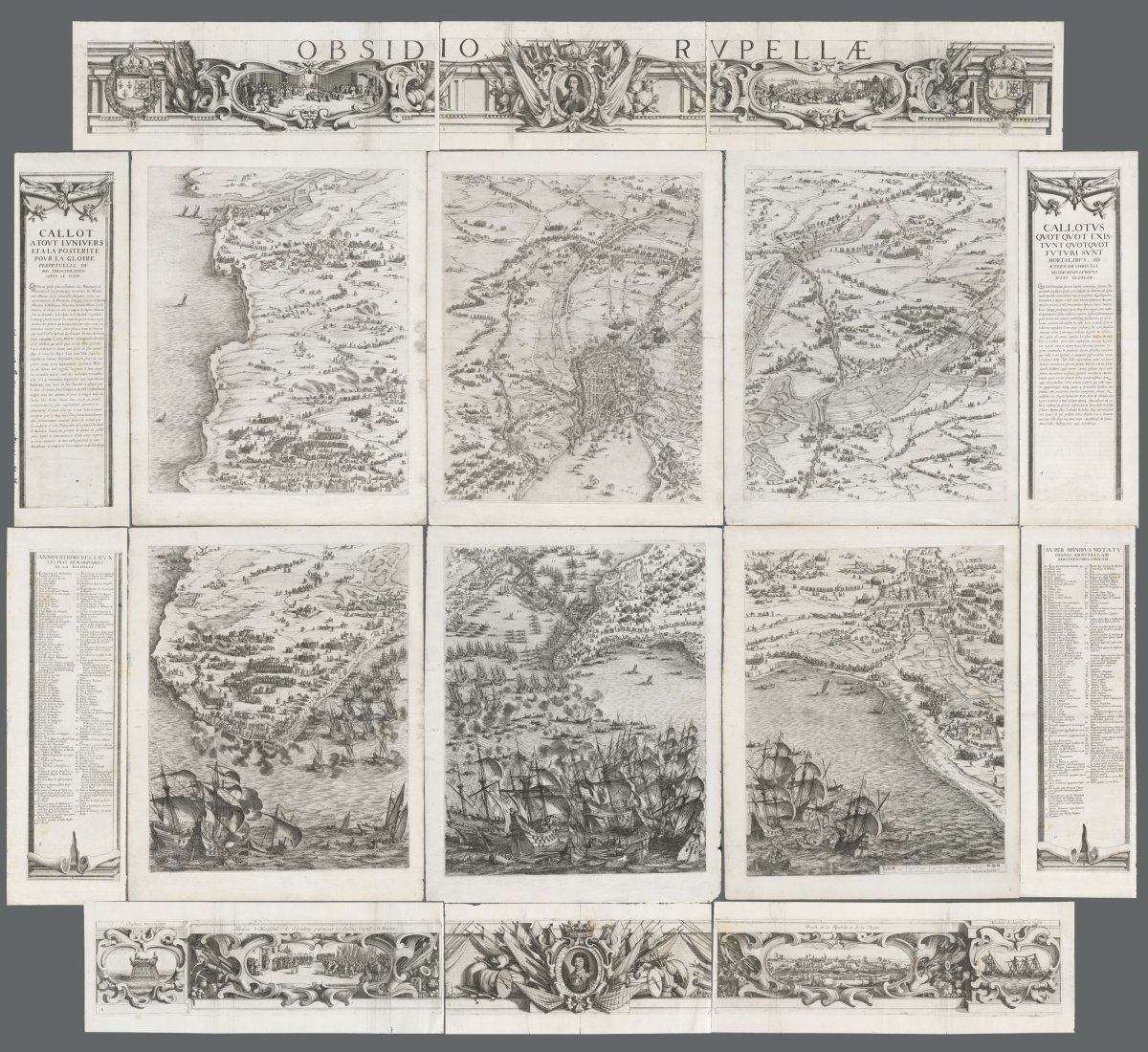
The port, coast and siege works | 1628–1630 | Israël Henriet, Jacques Callot, Michael Lasne and Abraham Bosse · Cleveland Museum of Art, 2009.4 · Norman O. Stone and Ella A. Stone Memorial Fund | Cleveland Museum of Art Open Access / CC0 | https://creativecommons.org/publicdomain/zero/1.0/
View source ↗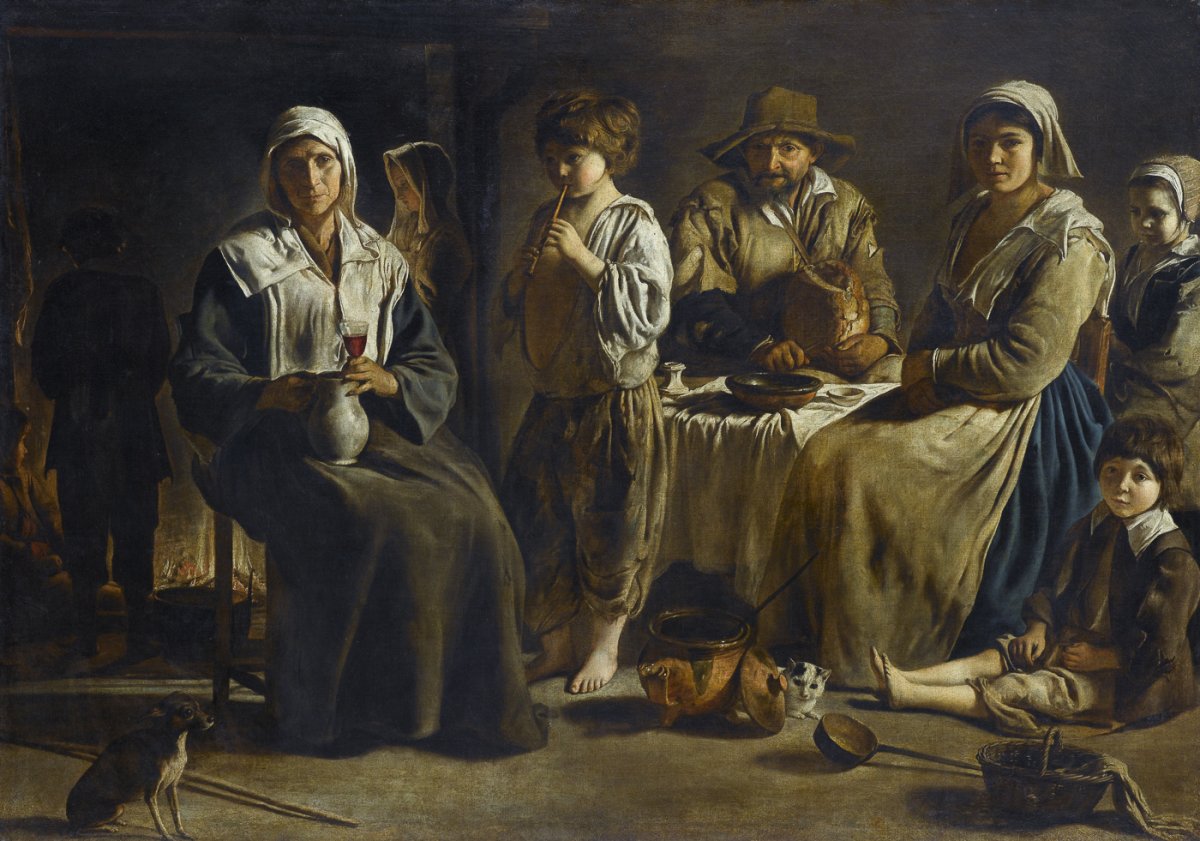
A household in contemporary French art | About 1642; reproduction date not established | Louis Le Nain; Antoine Le Nain queried by the Louvre. Musée du Louvre, RF 2081. Reproduction via Wikimedia Commons, credited there to Panorama de l’art; photographer not named. | Public-domain artwork; Wikimedia Commons marks this faithful reproduction PD-Art / Public Domain Mark. Commons notes possible jurisdictional differences. | https://creativecommons.org/publicdomain/mark/1.0/
View source ↗Family relationships
Children with Isabelle-Elisabeth Chauvin
A life in dates
3 events
- Connection to this place
Household and burial — Laleu, La Rochelle, France.
Laleu, La Rochelle, France, Nouvelle-Aquitaine
Show on map → - Burial
Buried at Saint-Pierre de Laleu on May 21, 1647, aged approximately sixty, according to Roger Plante’s published extract.
Saint-Pierre de Laleu, Charente-Maritime, Nouvelle-Aquitaine, France
Show on map → - Death
Probable death — Laleu, La Rochelle, France.
Laleu, La Rochelle, France, Nouvelle-Aquitaine
Show on map →
More about this person
Other names
Nicolas Plante