Places in their life
Explore recorded events and connections, place by place.
Places will load as you reach this section.
Explore places & events
Town and regional markers represent an area. Each record describes the connection to that place.
The life of Isabelle-Elisabeth Chauvin
Biography
Isabelle, also recorded in the genealogical tradition as Élisabeth, was probably born around 1601. The estimate rests on a reported age of forty-five at the end of her life. Her baptism has not been recovered in the material examined, so the year remains approximate. Isabelle and Élisabeth identify the same woman in the accepted family reconstruction. [N3]
She married Nicolas Plante before the birth of their son Jean. Later records give Jean ages that suggest a birth somewhere around 1621–1626. On that reconstruction, Isabelle was approximately twenty to twenty-five when he was born. These are useful proportions in a life otherwise difficult to date: a young woman forming a household, a son whose childhood belonged to the first decades of the seventeenth century, and an eventual separation that would carry his branch of the family overseas. Her wedding’s exact date and parish remain uncertain. [N3]
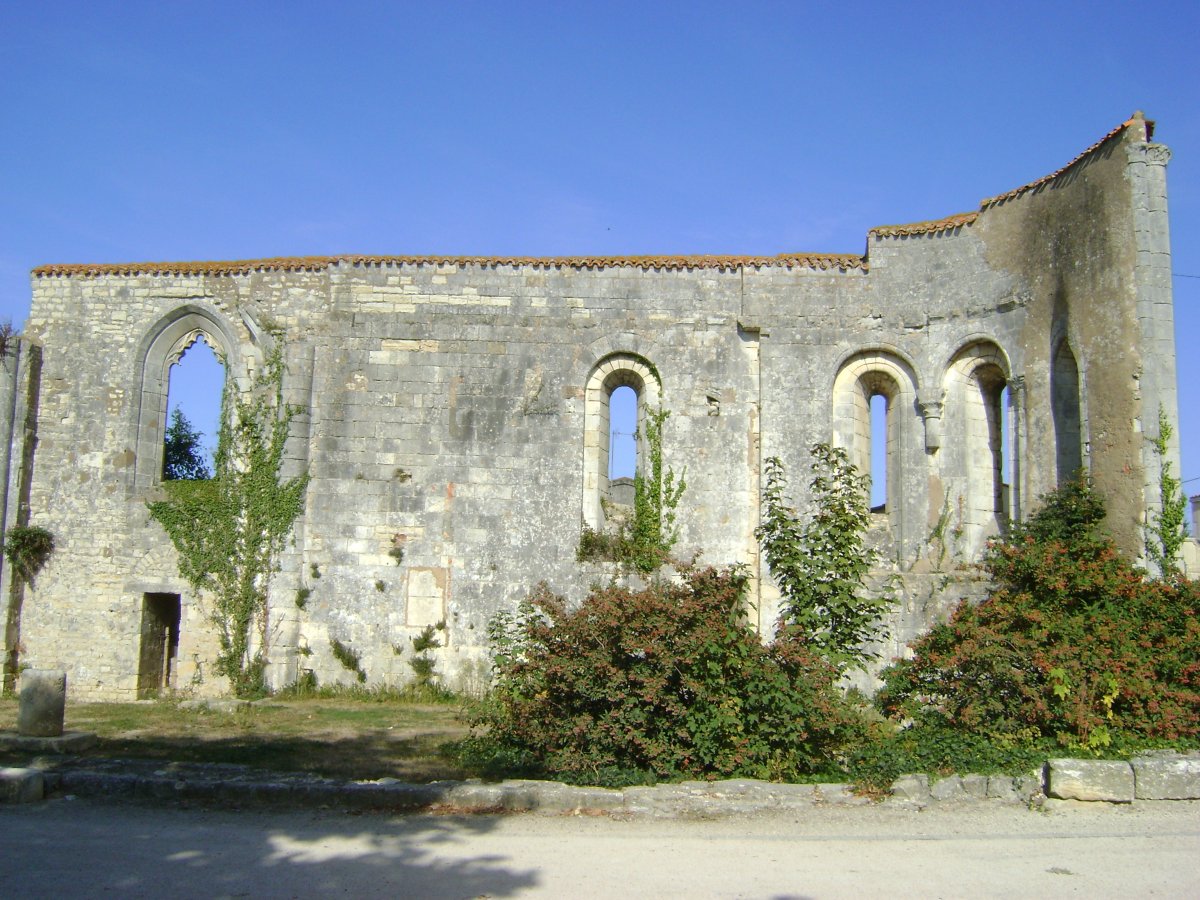
Laleu was then a village in its own right, rather than a district within modern La Rochelle. Its relationship with the nearby port joined an agricultural landscape to a commercial one. The city’s trade drew upon the wine and salt economies of Aunis and Saintonge. For a household with vineyard interests, proximity to La Rochelle offered a connection to a larger market, even when the people working or holding the land never became merchants themselves. [N4]
The Association des familles Plante describes Isabelle and Nicolas as cultivators with vineyard property. That is a specific published account, although the underlying deed has not yet been inspected. If the account is accurate, Isabelle belonged to an agricultural household with assets to pass on. How its labor was divided between spouses, relatives and hired workers is still unknown. [N5]
There are signs of a wider family around her. Jean is securely identified as her son. Jacques appears as another son in the principal genealogical accounts, although the year and age attached to his childhood burial disagree. A daughter, Marie, emerges more specifically through the association’s account of Jean’s inheritance business with his brother-in-law Jean Martin. Marie is an important attributed connection, awaiting examination of the acts that would establish it directly. [N6]
The reported Marie connection suggests that part of the family continued around Laleu and neighboring Saint-Maurice. Jacques’s short life, if the identification is correct, adds a younger child to the parents’ final years. Jean would have been well into adolescence, and perhaps already an adult, when this younger brother was born. The family thus appears to have included children at very different stages of life when the parents died. [N6]
Isabelle was buried at Saint-Pierre de Laleu in February 1646. The best-supported reading places her burial on 14 February, although a competing date survives in the published accounts. Her exact day of death is not established; the burial date supplies its latest limit. At approximately forty-five, she died before Jean’s documented marriage in Canada and before the later vineyard transaction through which her name and family would remain connected to France. [N7]
Isabelle’s life is most clearly visible through these relationships: her marriage to Nicolas, her motherhood, and the continuing family interests reported at Laleu. Her son’s emigration would make her an ancestor of a Canadian family, but the setting of her own life remained this French village beside an Atlantic city. [N1; N5–N7]
During the couple’s adult lifetimes, the region experienced the royal siege of La Rochelle in 1627–1628. Louis XIII’s government and Cardinal Richelieu confronted a fortified Protestant city whose political position, maritime connections and English support made it a challenge to royal authority. Landward works and a blockade at sea brought the port and its surrounding countryside into the conflict. [N10]
The siege belongs in their story because of geography and chronology. If Nicolas and Isabelle were already living at Laleu, disruption of transport, markets and access to agricultural land would have been a plausible concern. Their continuous presence during the siege is not documented, however. Neither their participation nor a specific loss, flight or experience of hunger can be reconstructed from the regional event alone. The strongest conclusion is that the village in which their family is later located belonged to a landscape profoundly affected by the conflict. [N10]
Around the household lay a world of cultivated parcels, neighboring parishes and routes toward the port. The local land records show a countryside in which holdings were maintained, neglected, exchanged and inherited. It was within that practical world of property and family connections that the Plante estate, as later described, would have had its significance. [N4–N5; N9]
Domestic life is harder to recover. Louis Le Nain’s painting Famille de paysans, dated about 1642, offers a nearly contemporary representation of adults and children gathered around bread, wine and household vessels. The Louvre cautions against treating its figures as a precisely identified social or regional group. It can help a reader look at seventeenth-century material life, but its interior is an artist’s composition, not a reconstruction of Isabelle and Nicolas’s home. [N12]
Images & documents
Select an image to browse the gallery. Source links open the original records in a new tab.
Saint-Pierre de Laleu: contextual gallery lead | 2009-10-03 | Guiguilacagouille | CC BY-SA 3.0 | https://creativecommons.org/licenses/by-sa/3.0/
View source ↗
The seigneurial landscape | 2020-12-20 | Pertuisallionis | CC BY-SA 4.0 | https://creativecommons.org/licenses/by-sa/4.0/
View source ↗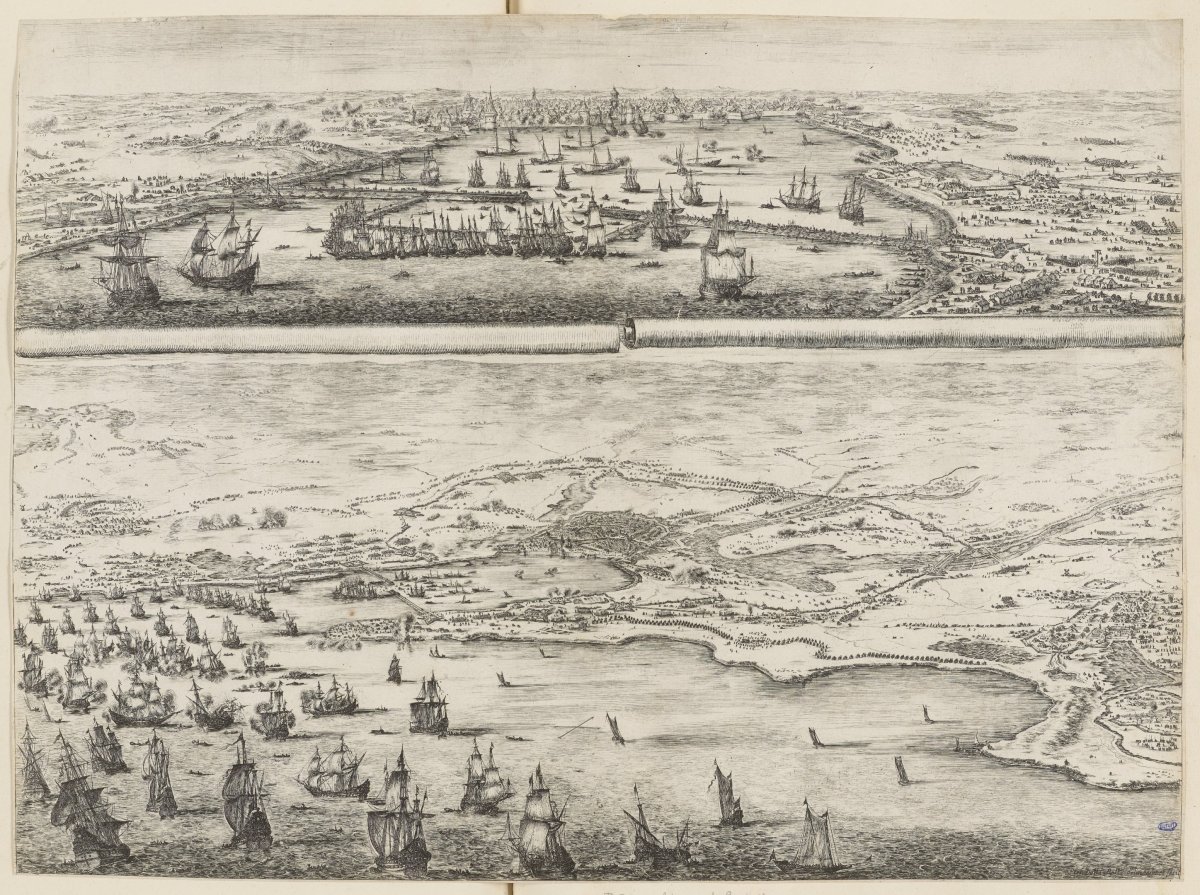
A seventeenth-century coastal and siege landscape | 17th century; represents siege-era events | Stefano Della Bella; CC0 Paris Musées / Petit Palais, musée des Beaux-Arts de la Ville de Paris; GDUT3429 | CC0 | https://creativecommons.org/publicdomain/zero/1.0/
View source ↗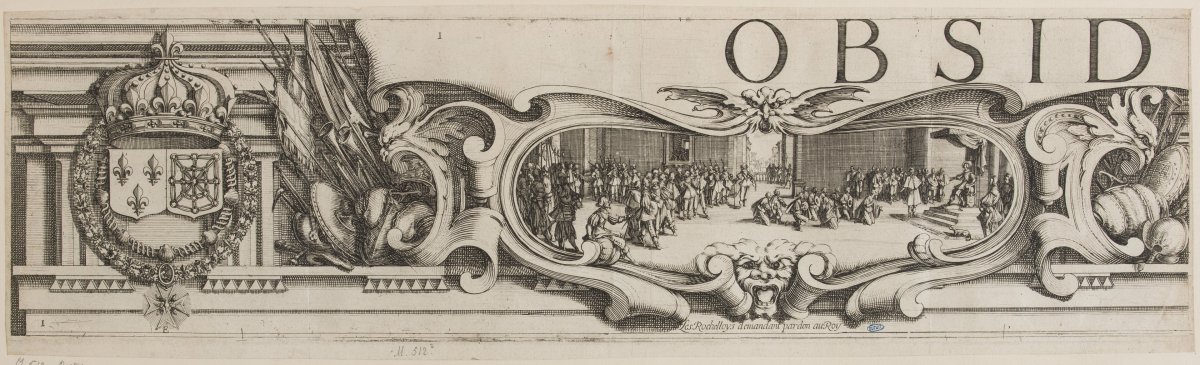
Royal victory represented in period art | 1629–1630 | Jacques Callot; CC0 Paris Musées / Petit Palais, musée des Beaux-Arts de la Ville de Paris; GDUT1198 | CC0 | https://creativecommons.org/publicdomain/zero/1.0/
View source ↗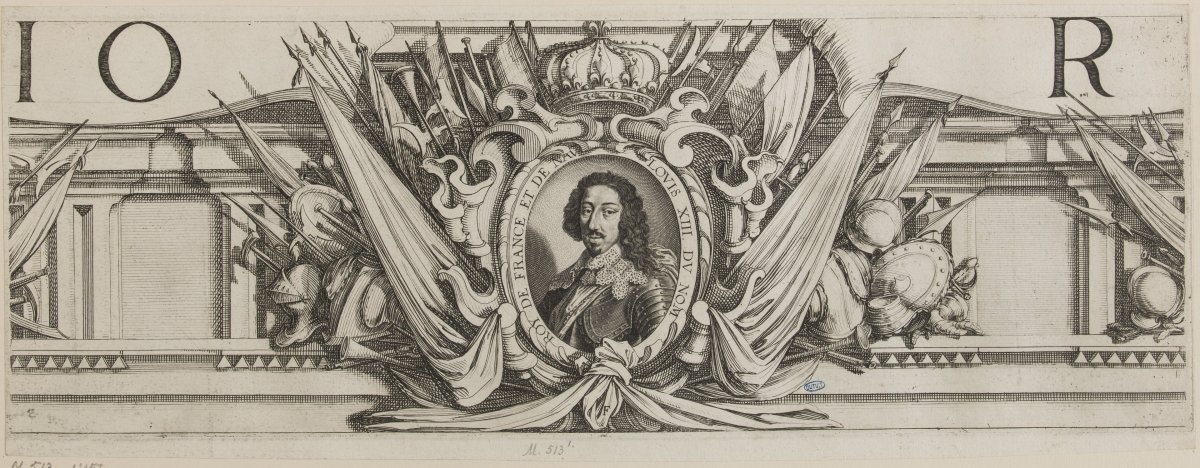
A contextual portrait — Louis XIII | 1629–1630 | Jacques Callot; CC0 Paris Musées / Petit Palais, musée des Beaux-Arts de la Ville de Paris; GDUT1199 | CC0 | https://creativecommons.org/publicdomain/zero/1.0/
View source ↗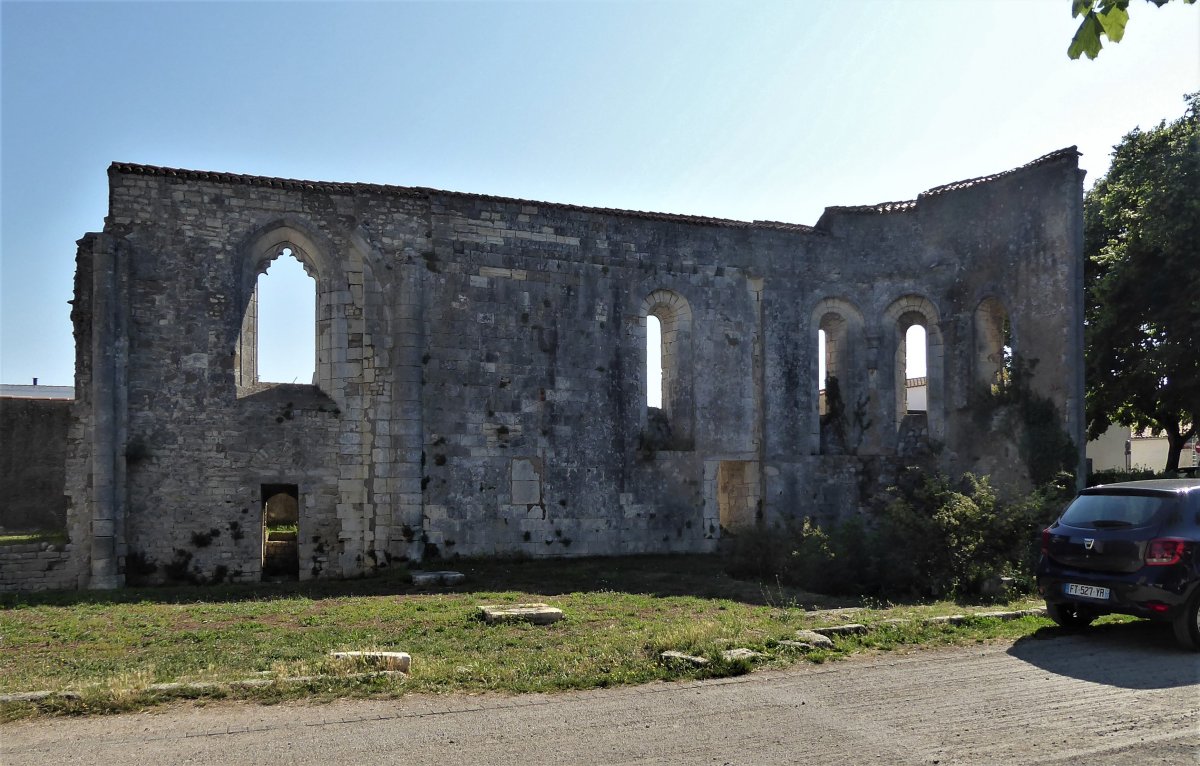
Alternative parish photograph | 2023-06-25 | Chris06 | CC BY-SA 4.0 | https://creativecommons.org/licenses/by-sa/4.0/
View source ↗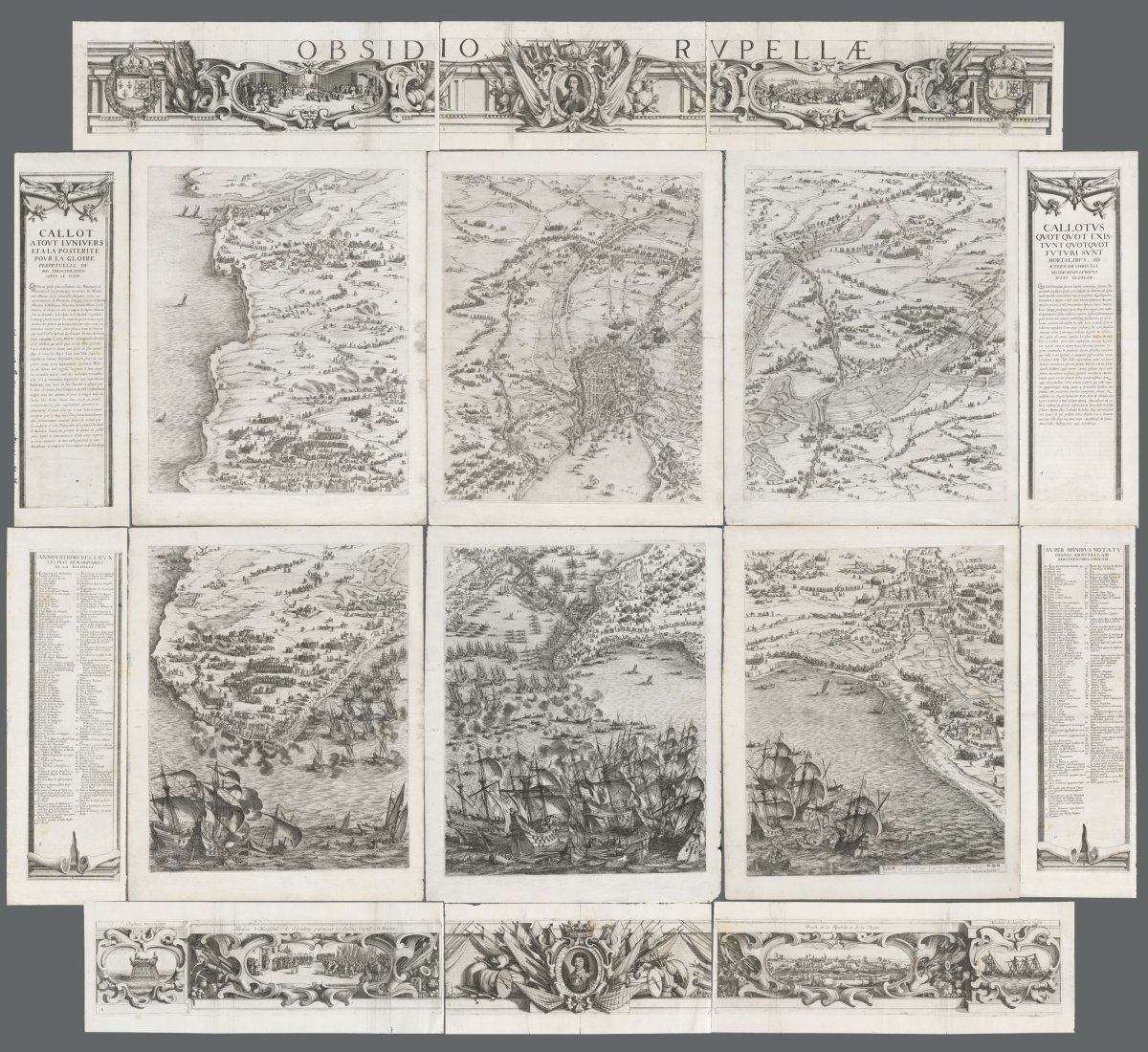
The port, coast and siege works | 1628–1630 | Israël Henriet, Jacques Callot, Michael Lasne and Abraham Bosse · Cleveland Museum of Art, 2009.4 · Norman O. Stone and Ella A. Stone Memorial Fund | Cleveland Museum of Art Open Access / CC0 | https://creativecommons.org/publicdomain/zero/1.0/
View source ↗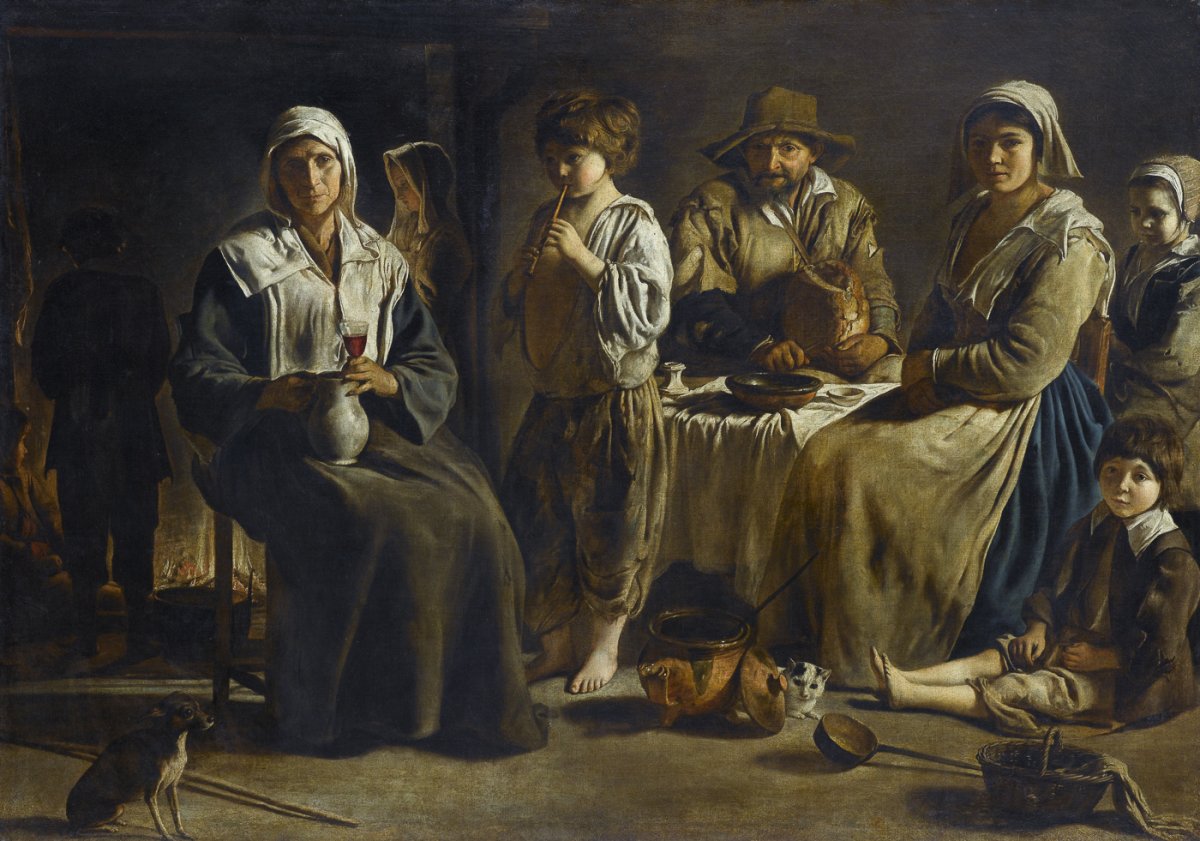
A household in contemporary French art | About 1642; reproduction date not established | Louis Le Nain; Antoine Le Nain queried by the Louvre. Musée du Louvre, RF 2081. Reproduction via Wikimedia Commons, credited there to Panorama de l’art; photographer not named. | Public-domain artwork; Wikimedia Commons marks this faithful reproduction PD-Art / Public Domain Mark. Commons notes possible jurisdictional differences. | https://creativecommons.org/publicdomain/mark/1.0/
View source ↗Family relationships
Children with Nicolas Plante
A life in dates
2 events
- Burial
Buried at Saint-Pierre de Laleu on the preferred published date, February 14, 1646; another account gives February 19.
Saint-Pierre de Laleu, Charente-Maritime, Nouvelle-Aquitaine, France
Show on map → - Connection to this place
Household, probable death and burial — Laleu, La Rochelle, France.
Laleu, La Rochelle, France, Nouvelle-Aquitaine
Show on map →
More about this person
Other names
Isabelle-Elisabeth Chauvin